

If you have been involved in worker’s compensation long enough, you have likely had clients with carpal tunnel syndrome. This nerve condition is a common overuse injury, particularly in jobs that require repetitive small hand movements, such as cashiers or hair stylists. Fortunately, confirming a diagnosis is easy with EMG testing for carpal tunnel syndrome.
At Integrity Diagnostics Network , we offer a quick turnaround and in-depth analysis of diagnostic testing for worker’s compensation claims. If your client suspects they developed carpal tunnel syndrome at their job, we can let you know for sure, allowing you to file a claim as quickly as possible.
Keep reading to learn more about the condition, including signs to watch out for and how EMG testing for carpal tunnel syndrome can help with diagnosis.
Carpal Tunnel Syndrome: An Overview
Carpal tunnel syndrome occurs when the median nerve, which runs through the arm and into the hand, becomes compressed by the carpal tunnel, a structure of bones and ligaments in the wrist. It causes numbness and tingling in the fingers, especially the thumb, index, and middle fingers.
The condition often develops due to environmental factors, especially in the workplace. Any job that requires frequent hand or wrist motions has a high risk of carpal tunnel syndrome. Certain tools–especially vibrating tools–can also contribute to the condition.
If left untreated, carpal tunnel syndrome will worsen to the point that it will be difficult for the patient to pick up or manipulate objects, making it impossible for them to do their job. For that reason, people with carpal tunnel syndrome are often good candidates for a worker’s compensation claim.
Diagnosing Carpal Tunnel Syndrome with EMG Testing
EMG testing, alongside NCS testing, is essential in confirming that a patient has developed carpal tunnel syndrome.
An EMG (electromyography) test evaluates nerve and muscle function. Motor nerves send electrical signals from your brain to your muscles, telling them to move. EMG testing helps determine if something is interfering with those signals.
The testing process itself is fairly simple. For most patients, it will take 45 minutes to an hour. There’s nothing they need to do to prepare, although we ask that they wear comfortable clothes and avoid oils or lotions, as they can interfere with test results.
During an EMG test, we will insert a thin needle electrode into the muscle in the forearm. We’ll take a measurement while the muscle is at rest, then ask the client to activate the muscle so we can take another measurement for comparison. The test will transmit data about the muscle’s activity onto a screen in real-time.
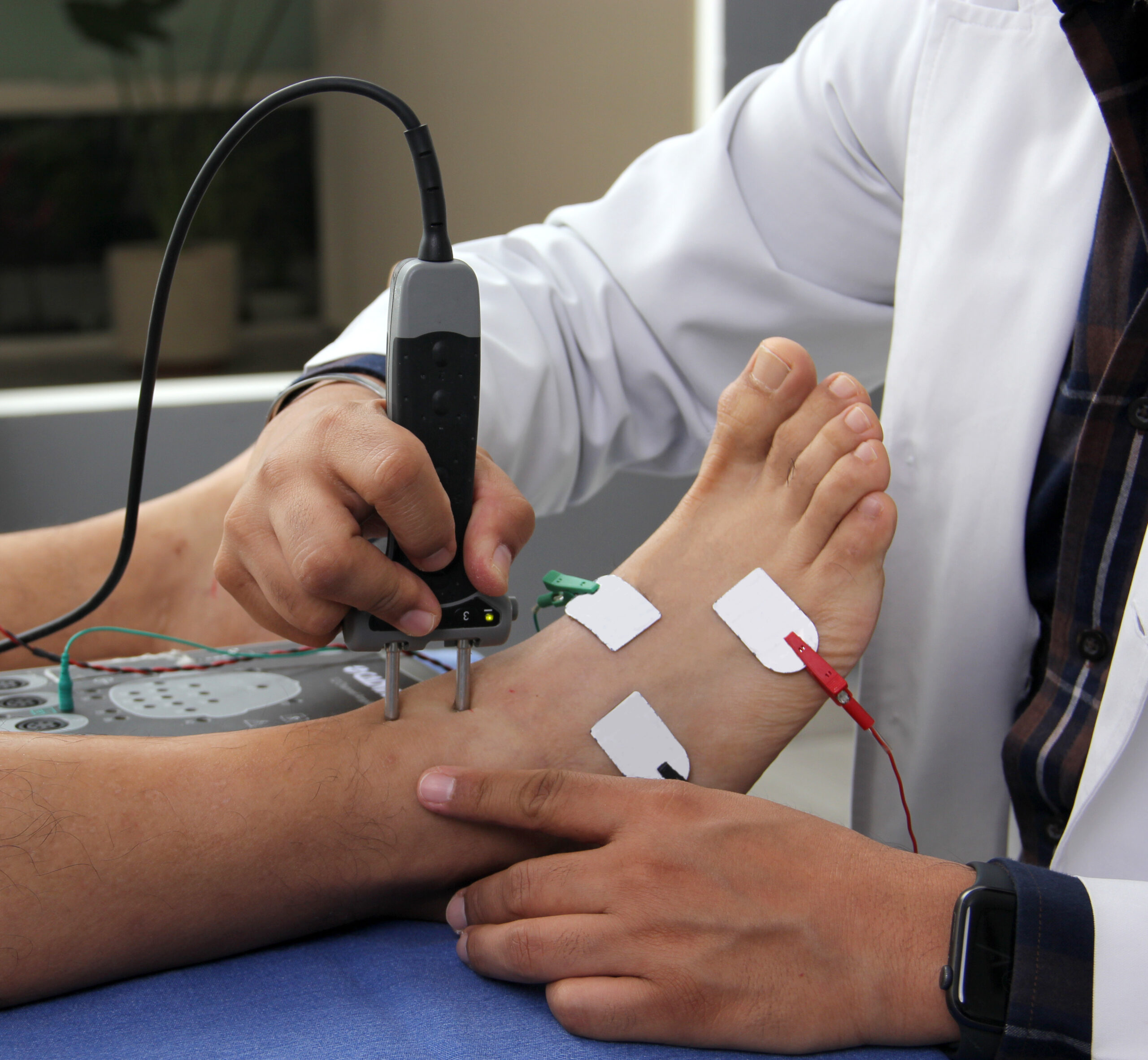
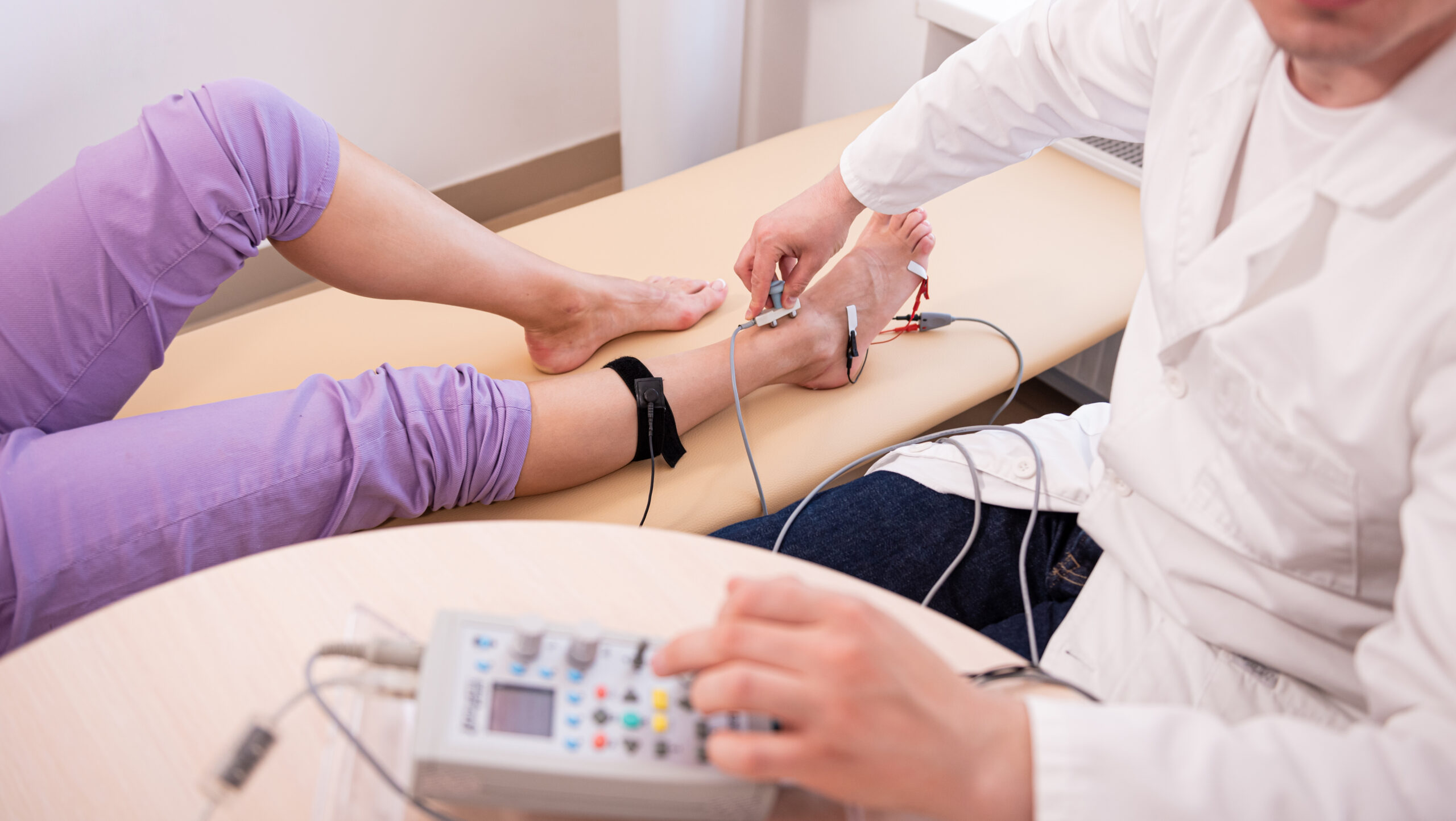
We’ll also perform an NCS (nerve conduction study), which uses adhesive electrodes placed on the palm to measure the speed of electrical activity in the median nerve.
Once we’ve completed the testing, our diagnostic specialist will prepare a detailed report of our findings to send to you and the patient’s healthcare provider within 24-48 hours. This information will help you prepare your worker’s compensation case–and help your client receive the care they need.
Treating Carpal Tunnel Syndrome
If a client’s carpal tunnel syndrome symptoms are mild, they may be able to manage their condition through physical therapy, especially hand therapy. Targeted hand and wrist exercises and customized splints can both help.
For severe cases, your client will likely require surgery. Carpal tunnel repair is a relatively minor procedure, but it still requires extensive rehabilitation to restore full hand strength, mobility, and function.
That said, EMG testing for carpal tunnel syndrome is the first step in helping your client find the relief they need. Call Integrity Diagnostics Network today to learn more about the diagnostic services we offer in the Snellville, GA community.



Leave a Reply