The Role of Electrodiagnostic Testing in Physical Therapy and Rehab

The Role of Electrodiagnostic Testing in Physical Therapy and Rehab

Introduction
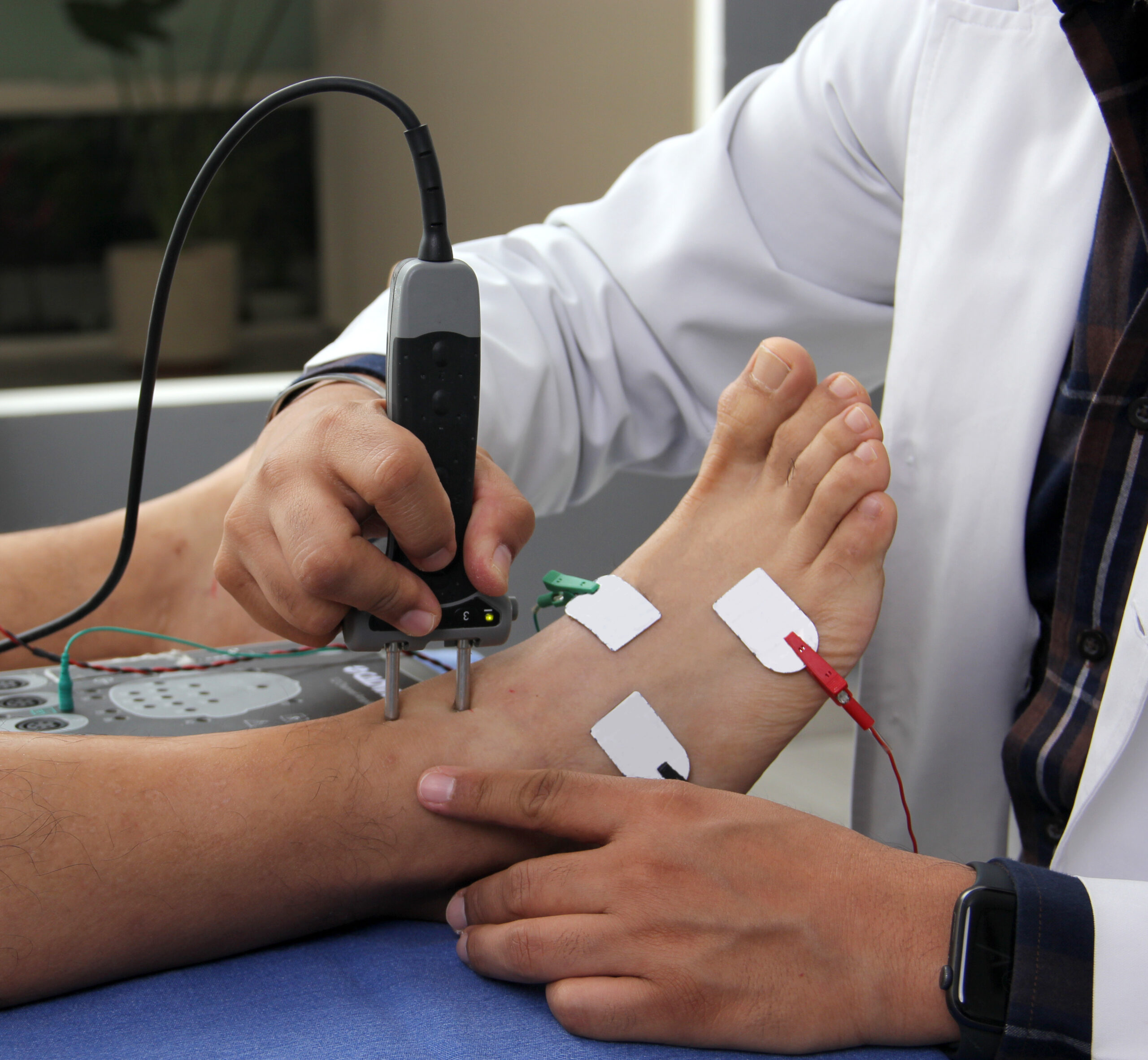
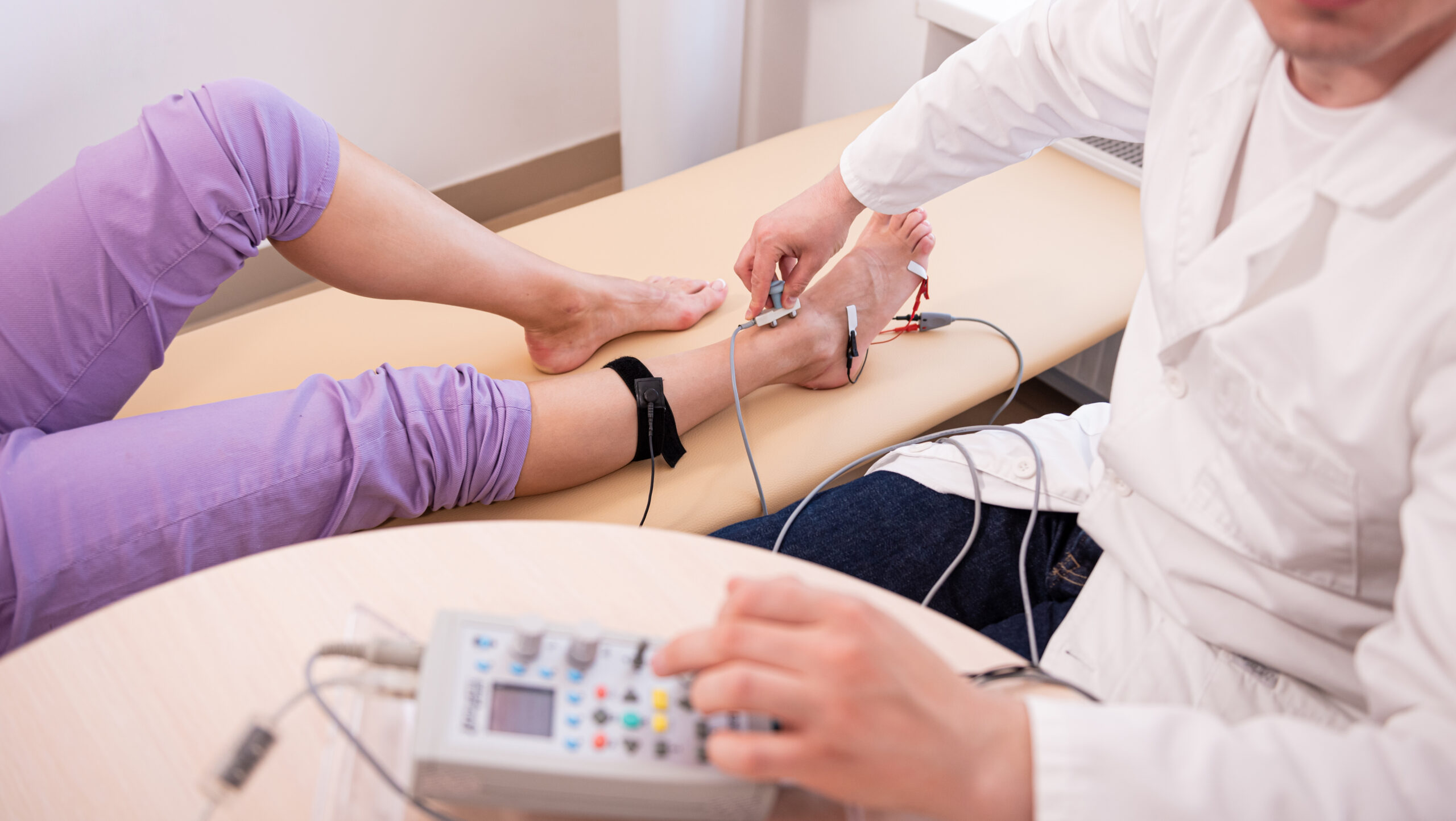
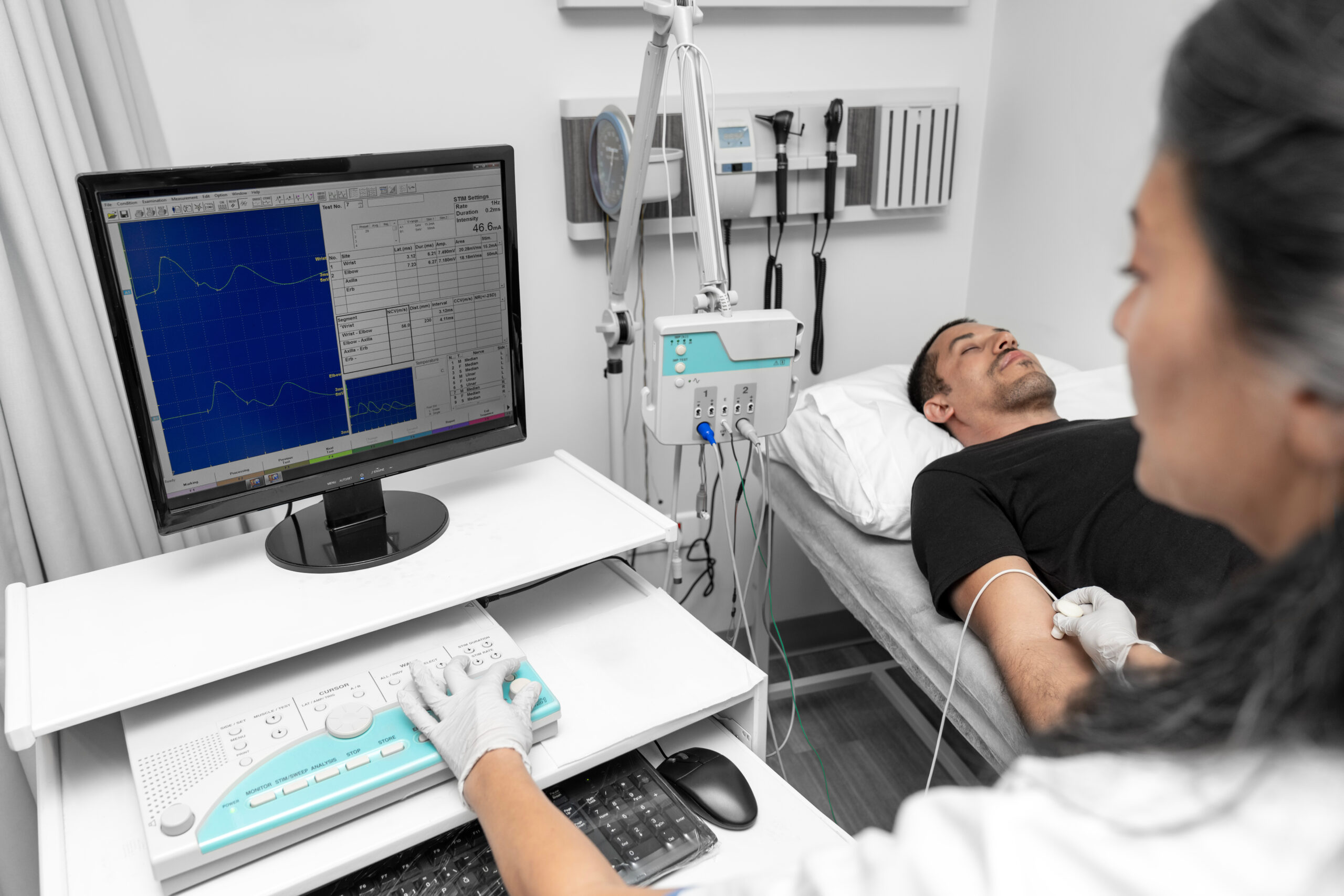
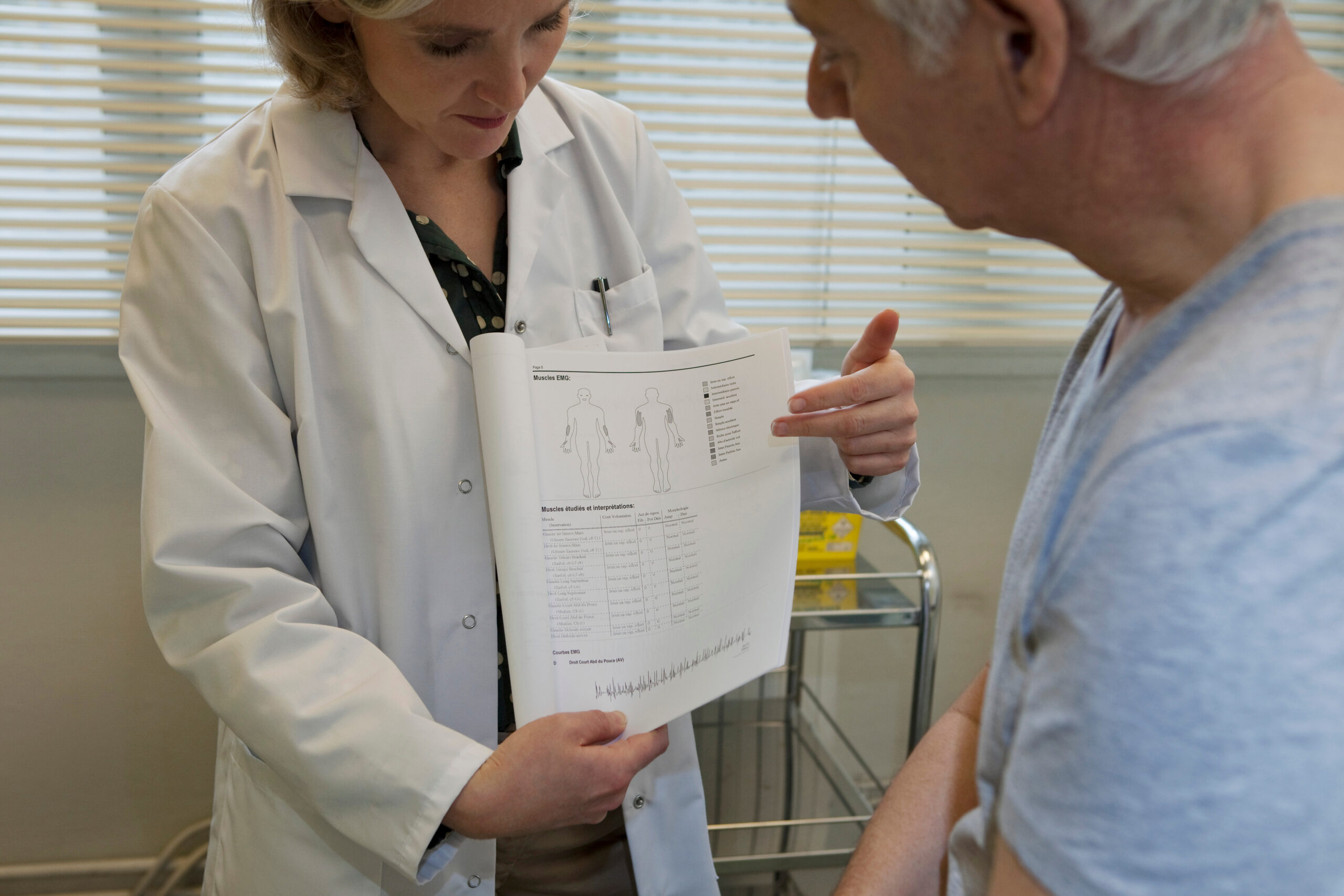
Physical therapy and rehabilitation rely heavily on accurate diagnosis. For patients with neuromuscular symptoms, EMG/NCS provides valuable insights that shape therapy plans, monitor progress, and guide return-to-function goals.

Guiding Therapy Planning

  • Carpal Tunnel Syndrome: Confirms diagnosis, determines severity, and supports splinting/nerve gliding strategies.
  • Radiculopathy: Distinguishes between cervical or lumbar origin, guiding targeted strengthening and mobility work.
  • Peripheral Neuropathy: Identifies sensory vs. motor involvement, directing therapy to balance training and fall prevention.

Monitoring Recovery

  • Repeat EMG/NCS studies can track improvement or progression.
  • Objective data supports therapy adjustments based on nerve regeneration or persistent deficits.

Supporting Return-to-Function

  • EMG/NCS findings assist in setting realistic rehab goals.
  • Provides evidence for return-to-work or return-to-sport readiness.

Why It Matters
Without EMG/NCS, therapy plans may be based solely on symptoms, which can be misleading. Electrodiagnostic testing adds objective clarity, improving both treatment effectiveness and patient outcomes.


Physical therapists and rehab specialists benefit from EMG/NCS testing as it bridges the gap between diagnosis and functional treatment. Clear communication between diagnostician and therapist ensures the best patient outcomes.

Integrity Diagnostics works with rehab teams across east coast to provide accurate testing that informs smarter therapy plans. Contact us to learn more.
Leave a Reply

Your email address will not be published. Required fields are marked *

Blogs

You May Also Like

We see that you are looking for help with NCS Testing, EMG Testing, Diagnostic Testing. Here are more blogs that you may find useful. Also, don’t forget to subscribe!

May 10, 2026
The Role of EMG/NCS in Workers’ Compensation and Occupational Medicine

Introduction In workers’ compensation and occupational medicine cases, objective data is essential. Symptoms like numbness, tingling, or weakness can be subjective, but EMG/NCS provides measurable evidence that supports accurate diagnosis, causation, and treatment planning. Key Applications in Work-Related Cases Case ExampleA warehouse worker reported hand weakness after years of repetitive lifting. MRI showed cervical spine […]

NCS Testing EMG Testing Diagnostic Testing Worker's Comp Cases
April 10, 2026
EMG vs. NCS: What’s the Difference and When Are Both Needed?

Introduction If your doctor has ordered an EMG (electromyography) and NCS (nerve conduction study), you may be wondering: Aren’t they the same thing? While they’re often done together, they measure different things—and using both provides the clearest picture of how your nerves and muscles are working. Nerve Conduction Study (NCS): Testing the Wiring Electromyography (EMG): […]

NCS Testing EMG Testing Diagnostic Testing
February 10, 2026
Is EMG the Gold Standard for Nerve and Muscle Diagnosis?

IntroductionWhen symptoms like numbness, tingling, or weakness appear, doctors have many diagnostic tools to choose from. You may wonder: Why did my provider order an EMG instead of just an MRI or blood test? The answer is simple—EMG (electromyography) and NCS (nerve conduction studies) are often considered the gold standard for diagnosing nerve and muscle […]

NCS Testing EMG Testing Diagnostic Testing