
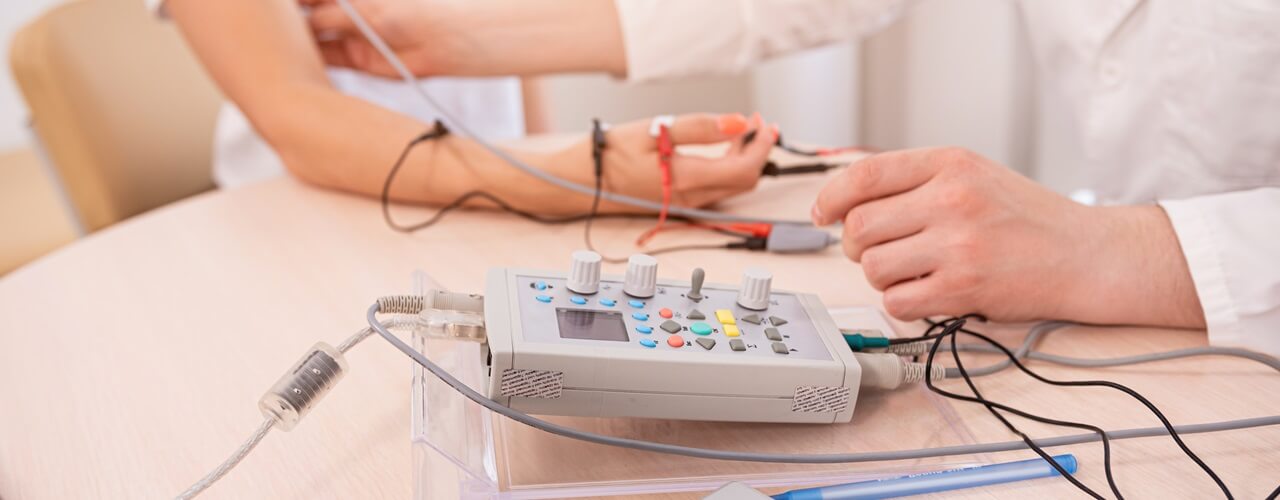
Apply the Diagnostic Advantages of EMG Testing for Repetitive Strain Injuries
Repetitive strain injuries (RSIs) are common workplace injuries often caused by repeated motions or prolonged awkward postures. RSIs can lead to a range of conditions like carpal tunnel syndrome, cubital tunnel, and a host of complex tendonitis conditions. When it comes to workers’ compensation cases, an accurate diagnosis is crucial to accessing necessary treatment and ensuring an appropriate return to work. Electromyography (EMG) testing offers a valuable tool for assessing and diagnosing RSIs. In this blog post, we’ll explore the advantages of EMG testing for repetitive strain injuries to understand how this diagnostic procedure aids in effective differential diagnosis and treatment planning after a workers’ compensation case.
Learn about EMT testing and ways it can promote an efficient recovery. Call us at Integrity Diagnostics.
The Advantages of EMG Testing for Repetitive Strain Injuries
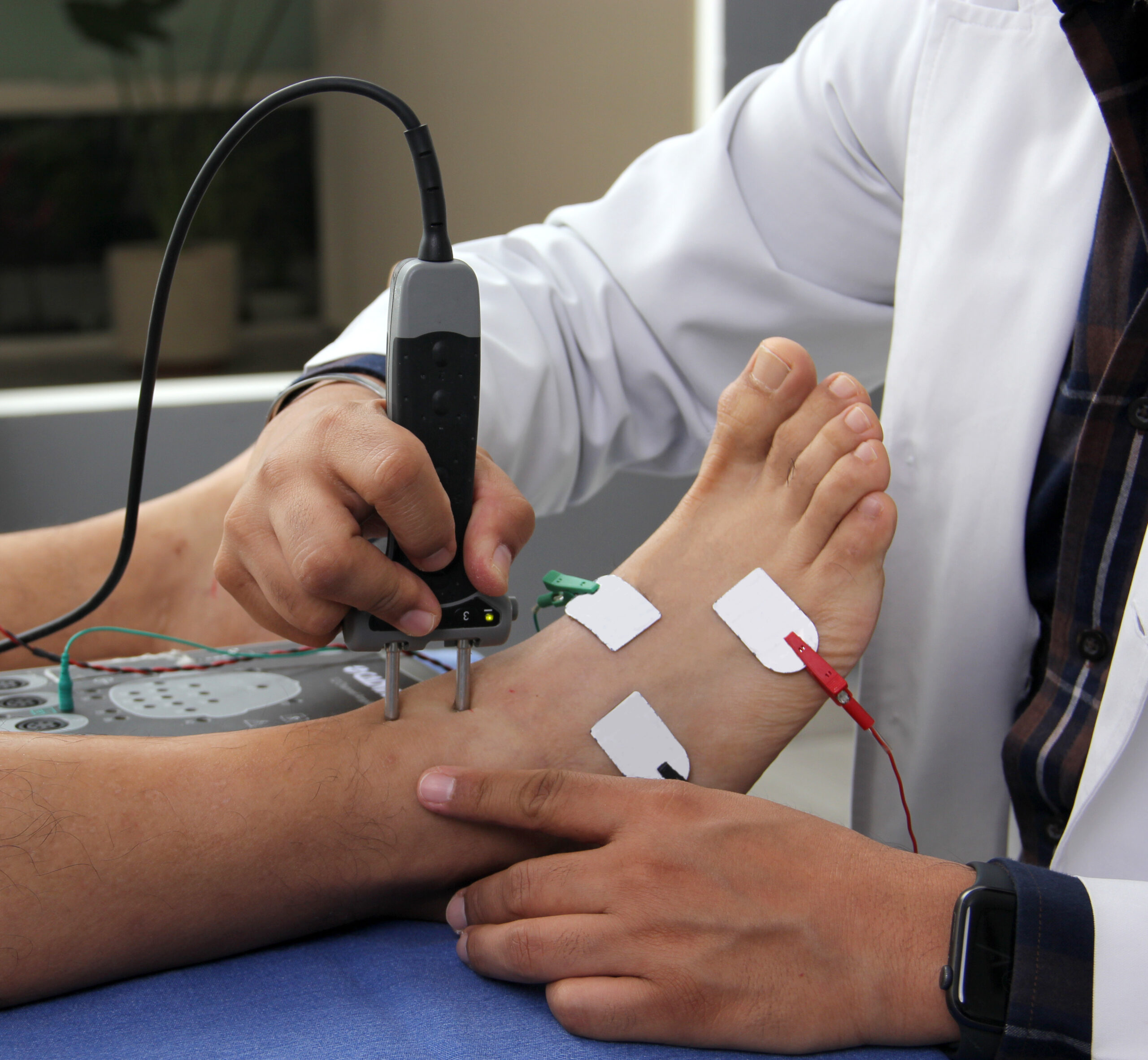
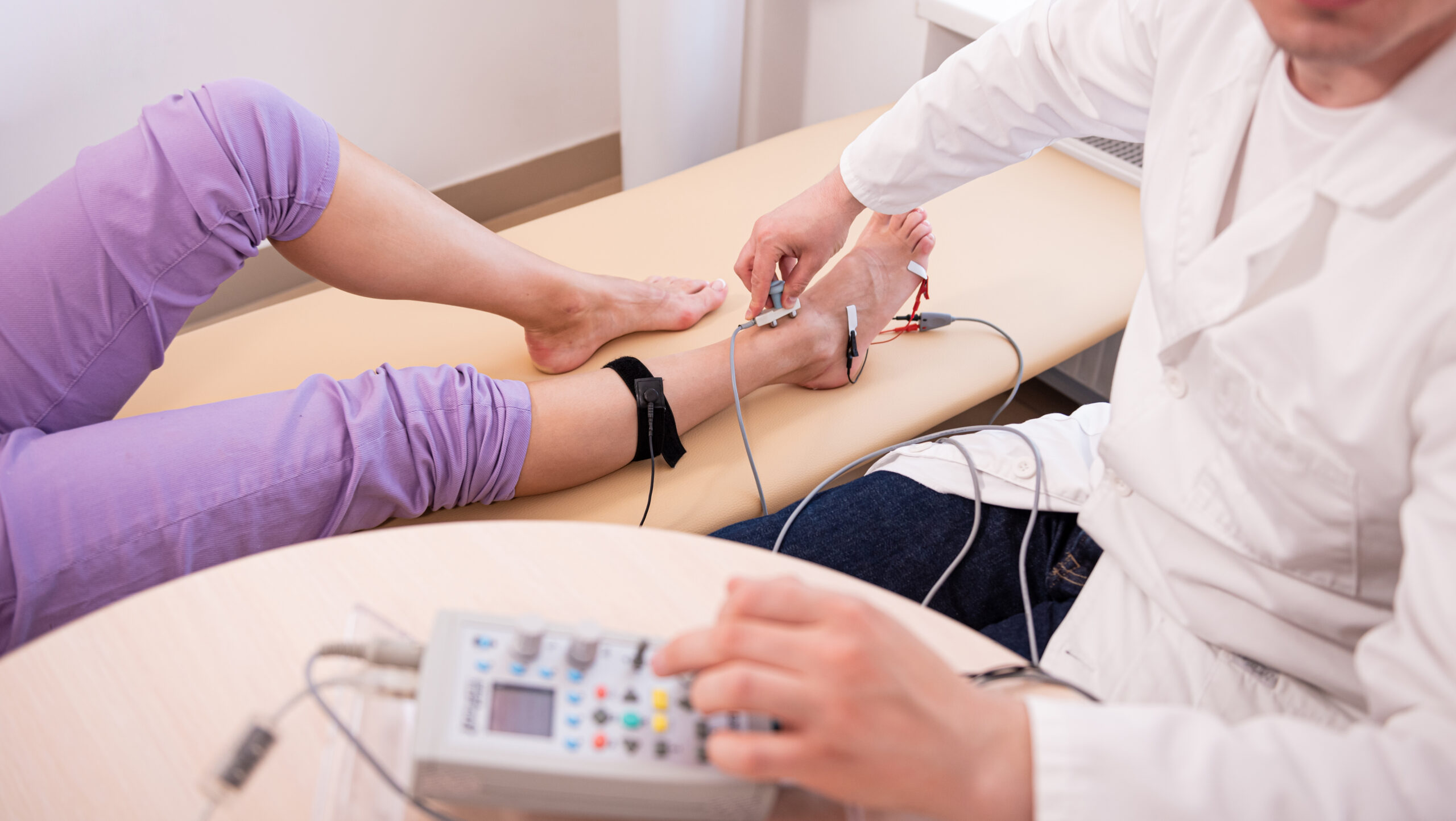
There are many advantages of EMG testing for repetitive strain injuries. Electromyography (EMG) is a diagnostic test that measures the electrical activity of muscles and nerves. A thin needle electrode is gently inserted into specific muscles to measure electrical activity at rest and during muscle contraction. This portion helps differentiate between muscle and nerve disorders.
EMG testing provides several benefits in diagnosing RSIs, especially when considering workers’ compensation cases:
Pinpointing the Problem:
- RSIs often present with vague symptoms like pain, numbness, or tingling. EMG testing goes beyond subjective reports to help pinpoint the exact location and nature of the nerve or muscle dysfunction. This assists in making a definitive diagnosis, which, in turn, guides treatment decisions.
Differentiating Sources:
- Conditions like carpal tunnel syndrome can mimic other problems – perhaps an old sports injury or even arthritis. EMG testing helps differentiate between these possibilities, ensuring your treatment addresses the correct underlying issue.
Assessing Severity:
- EMG testing indicates how severe the nerve or muscle damage might be. This information helps determine the appropriate intensity and duration of your treatment plan and provides valuable insights into your prognosis.
Monitoring Progress:
- EMG studies can be repeated throughout your treatment to track improvements. If treatment isn’t providing expected results, EMG helps your doctor identify potential reasons for slow recovery or pinpoint if an alternative approach is needed.
Ways EMG Testing Informs Treatment Plans
Accurate diagnosis is the first step towards recovery. The results of your EMG testing provide your doctor with essential information to tailor a treatment plan for your specific needs:
Targeted Therapy:
- If EMG testing reveals nerve compression, physical or occupational therapy may focus on exercises to improve the nerve health and mobility through targeted techniques with the overall goal of improving mobility, blood supply, and health.
Rest vs. Activity:
- In some cases, EMG results may indicate a need for complete rest of the affected area, while in others, guided movement could provide better results.
Surgical Consideration:
- In severe cases of RSIs where non-surgical options prove ineffective, EMG findings can support the decision for surgical intervention, such as carpal tunnel release surgery.
Return to Work Planning:
- The insights from EMG testing can aid in creating a safe and gradual return-to-work plan as you recover, minimizing the risk of re-injury.
EMG Testing and More with Integrity Diagnostics
The advantages of EMG testing for repetitive strain injuries are significant for workers dealing with the aftermath of a work-related injury. By providing objective data, EMG plays a critical role in achieving accurate diagnosis, facilitating targeted treatment, and supporting evidence-based decisions in workers’ compensation cases.
Contact us today for more information on EMG Testing and ways we can help support treatment for repetitive strain injuries.



Leave a Reply