
Introduction
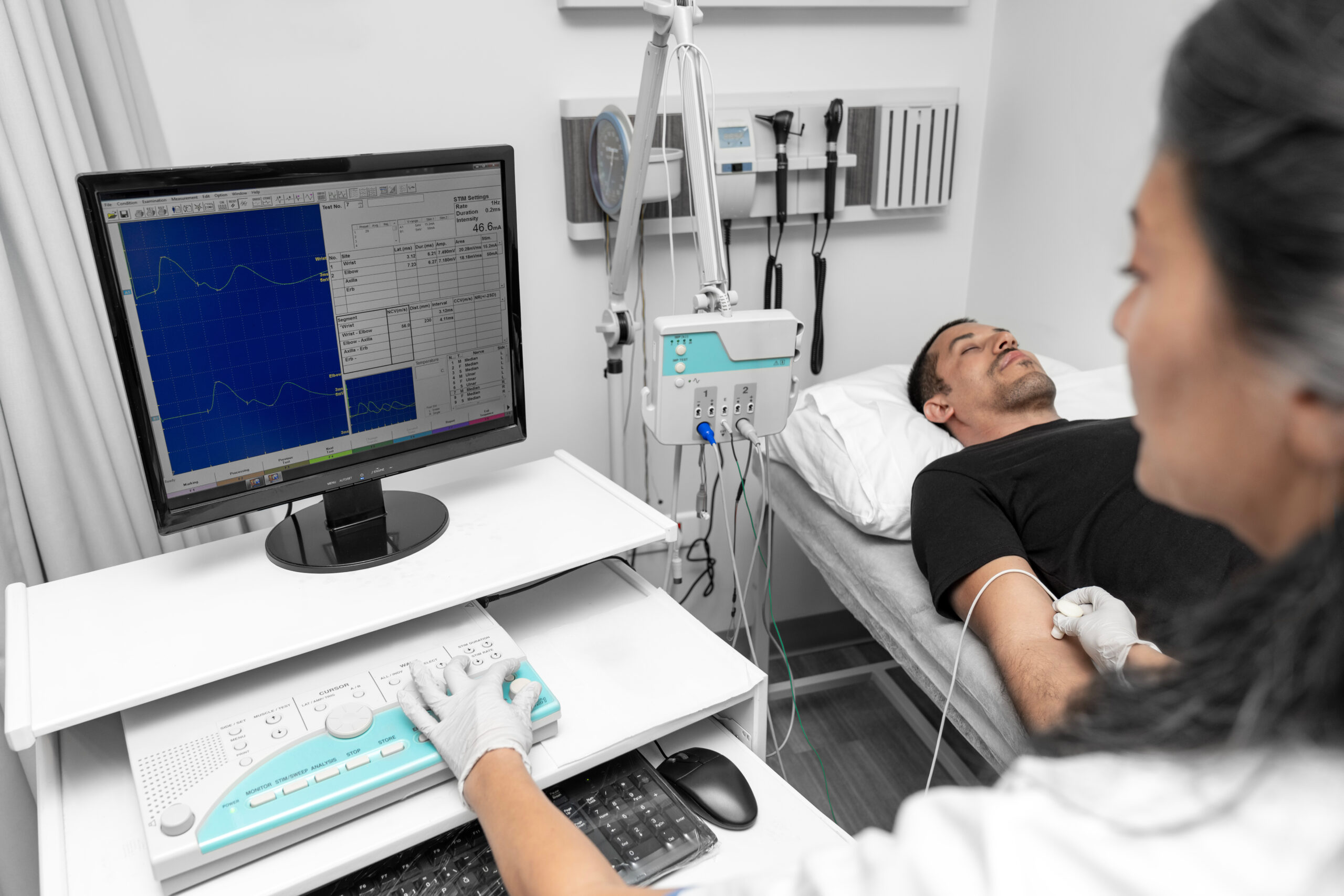
When symptoms like numbness, tingling, or weakness appear, doctors have many diagnostic tools to choose from. You may wonder: Why did my provider order an EMG instead of just an MRI or blood test? The answer is simple—EMG (electromyography) and NCS (nerve conduction studies) are often considered the gold standard for diagnosing nerve and muscle disorders.
What Makes EMG/NCS Different?
- Blood tests check for chemical or metabolic causes of symptoms, such as diabetes or vitamin deficiencies.
- Imaging (MRI/CT) shows structure—bones, discs, and soft tissues.
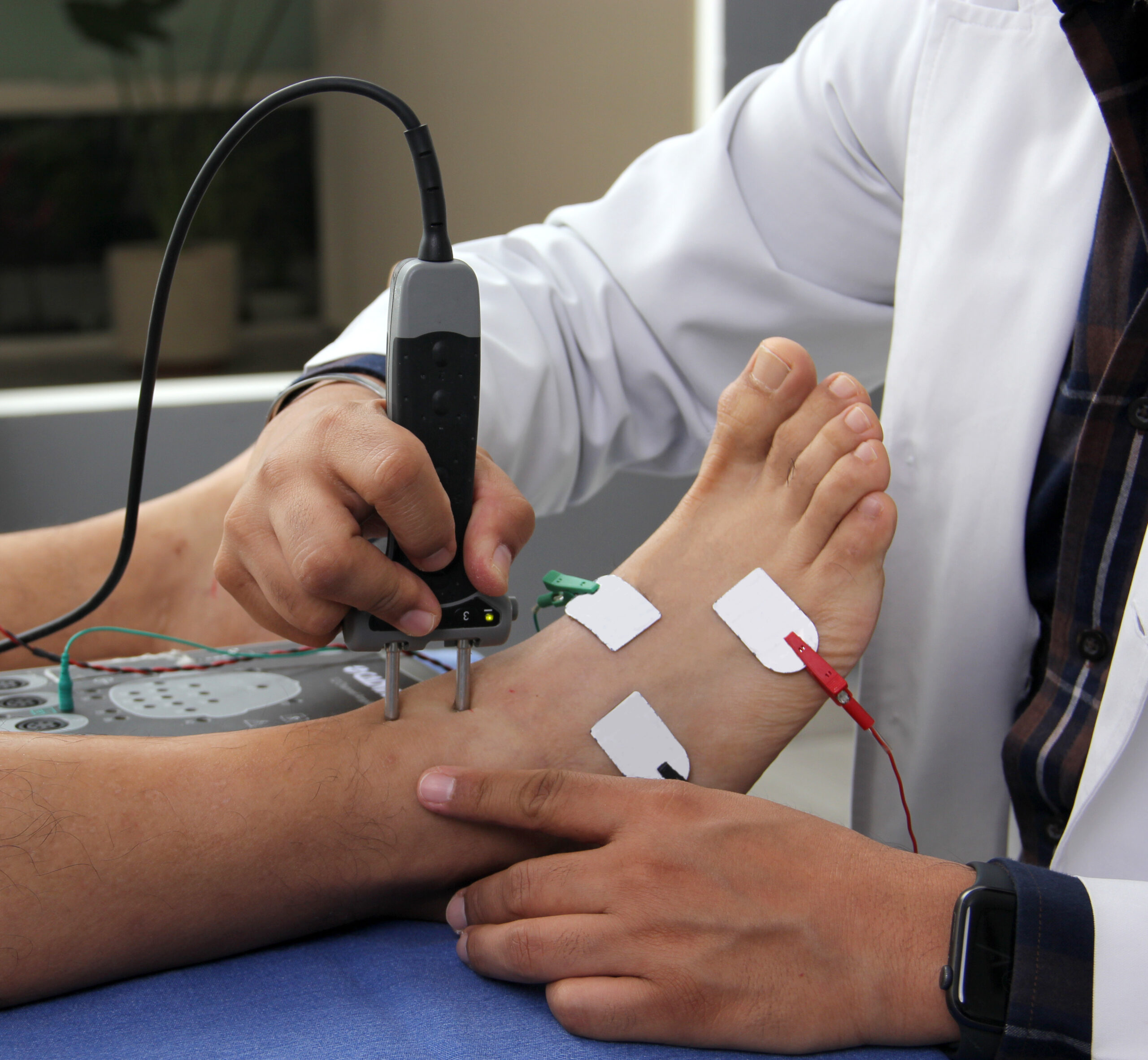
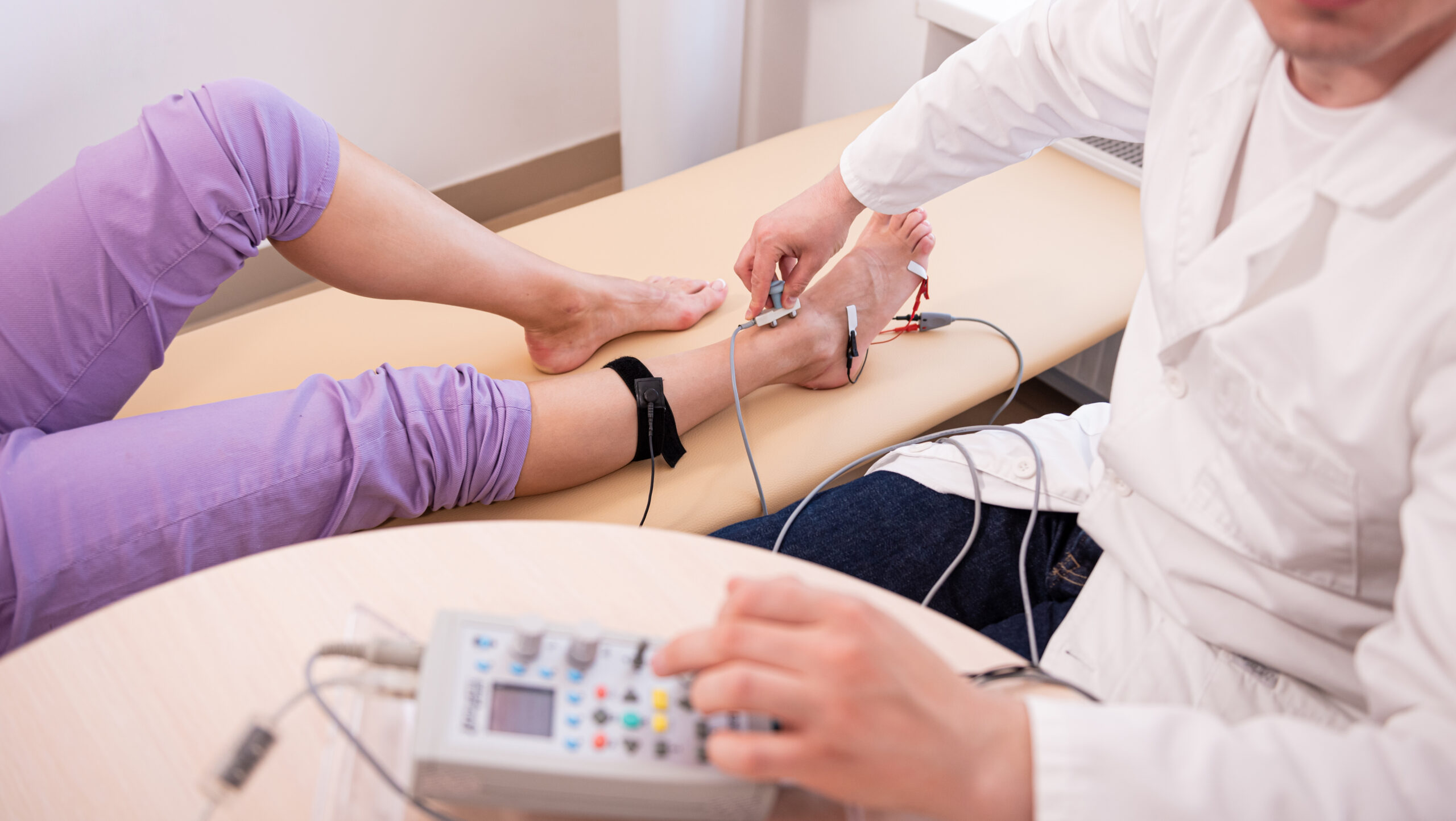
- EMG/NCS shows function—how nerves and muscles are actually working together in real time.
Why It’s the Gold Standard
- Detects nerve or muscle dysfunction before structural changes appear on imaging.
- Differentiates between nerve, muscle, and spinal problems.
- Helps guide the most effective treatment plan.
Examples of What EMG/NCS Can Diagnose
- Carpal tunnel syndrome vs. cervical radiculopathy.
- Diabetic peripheral neuropathy.
- Pinched nerves in the spine (sciatica).
- Muscle conditions like myopathies.
The Bottom Line
While imaging and labs play important roles, EMG/NCS is uniquely positioned to provide functional answers that no other test can. That’s why it’s trusted as the gold standard in diagnosing nerve and muscle problems.
If you’ve been referred for EMG/NCS, trust the board-certified specialists at Integrity Diagnostics for the highest standard of care.



Leave a Reply