

As a Case Worker or Lawyer dealing with workers’ compensation cases, understanding the intricacies of EMG testing for repetitive strain injuries is essential. Our comprehensive Step-by-Step Guide to EMG Testing for Repetitive Strain Injuries provides valuable insights into this diagnostic procedure and its significance in workers’ compensation cases.
Gain a thorough understanding of the step-by-step process of EMG testing, from consultation to test results and diagnosis. With this knowledge, you can better advocate for your clients and ensure they receive the necessary medical evaluation and treatment. Trust Integrity Diagnostics to provide the expertise and guidance you need in navigating the complexities of EMG testing for repetitive strain injuries.
Whether you are seeking assistance for a workers’ compensation case or want to understand EMG testing better, we will equip you with the necessary knowledge to confidently navigate the process.
Call to learn more about our EMG testing and schedule your clients today!
Understanding Repetitive Strain Injuries
Repetitive strain injuries (RSIs) are conditions that result from prolonged repetitive motions, overuse of certain muscles, or sustained awkward postures. These injuries often affect individuals in physically demanding occupations, such as factory workers, construction workers, and office professionals, who engage in repetitive tasks for extended periods.
Workers’ compensation injuries, including RSIs, can profoundly impact an individual’s functional abilities at work and home. Tasks that were once effortless may become challenging, hindering productivity and diminishing the overall quality of life. It is crucial to address these conditions promptly to prevent further complications.
RSIs are prevalent and affect many individuals across various age groups. Approximately 1 in 4 workers develop an RSI during their careers. These injuries can occur in individuals of all ages, but they tend to be more common in individuals between the ages of 25 and 54.
The progression and severity of RSIs can vary greatly depending on several factors, including the nature of the work, ergonomic practices, and individual susceptibility. Without proper management, RSIs can lead to chronic pain, decreased productivity, and potentially long-term disability.
EMG Testing for Repetitive Strain Injuries at Integrity Diagnostics
Electromyography (EMG) testing is a valuable diagnostic tool used to assess the health and functionality of muscles and the nerves controlling them. It plays a crucial role in identifying and understanding the extent of damage caused by repetitive strain injuries.
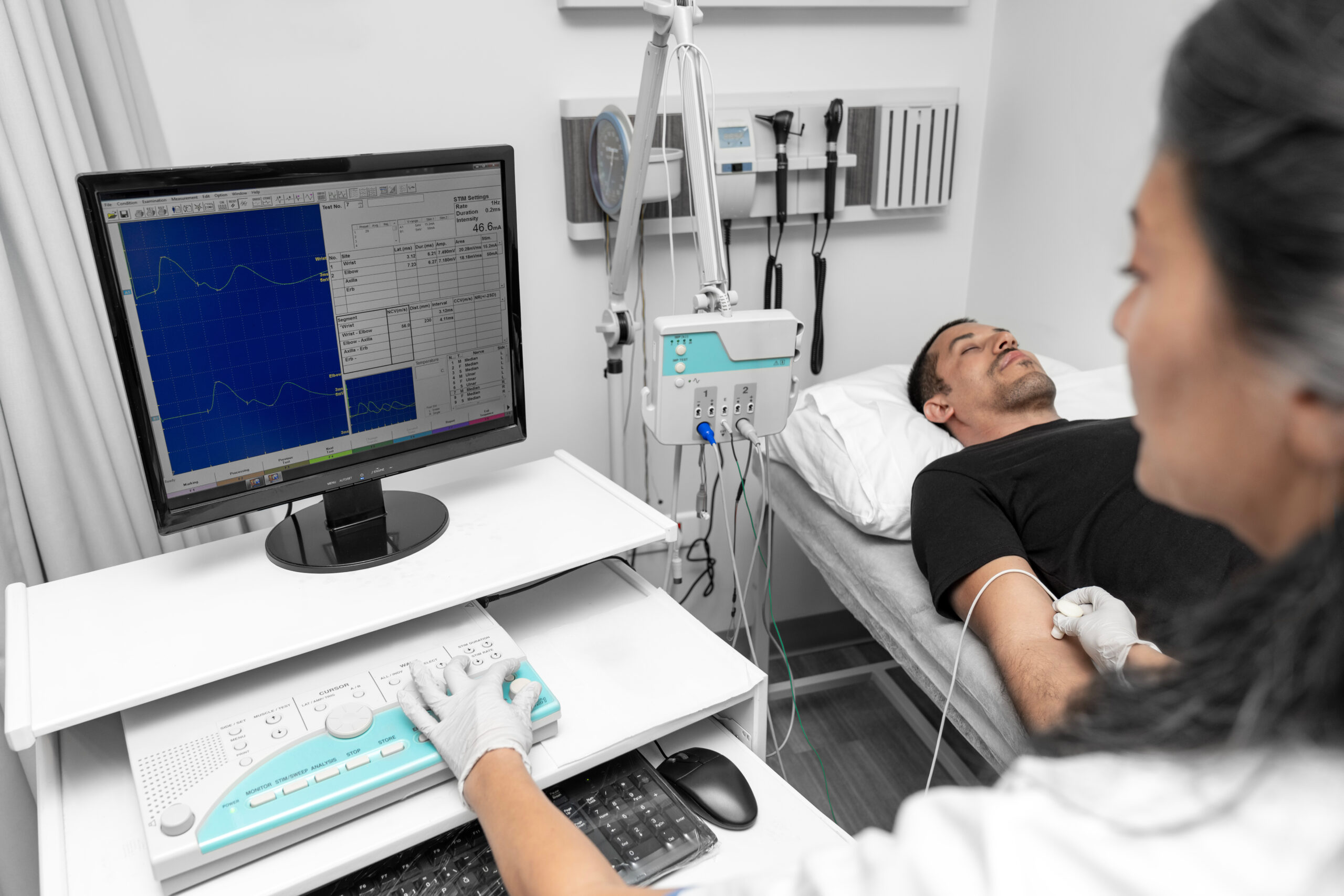
During EMG testing, small electrodes are placed on the skin or inserted into muscles to measure the electrical activity produced by the muscles and their associated nerves. This process helps determine the presence of muscle dysfunction, nerve damage, or abnormalities, aiding in the accurate diagnosis and subsequent treatment planning.
- Initial Consultation: The first step involves scheduling an initial consultation with a qualified physical therapist specializing in EMG testing. They will review your client’s medical history, discuss your symptoms, and determine if EMG testing is necessary.
- Pre-Test Preparation: Before the actual testing, we advise patients to avoid applying lotions or creams to the area being tested. We must also be informed about our patient’s medications, as some may interfere with the test results.
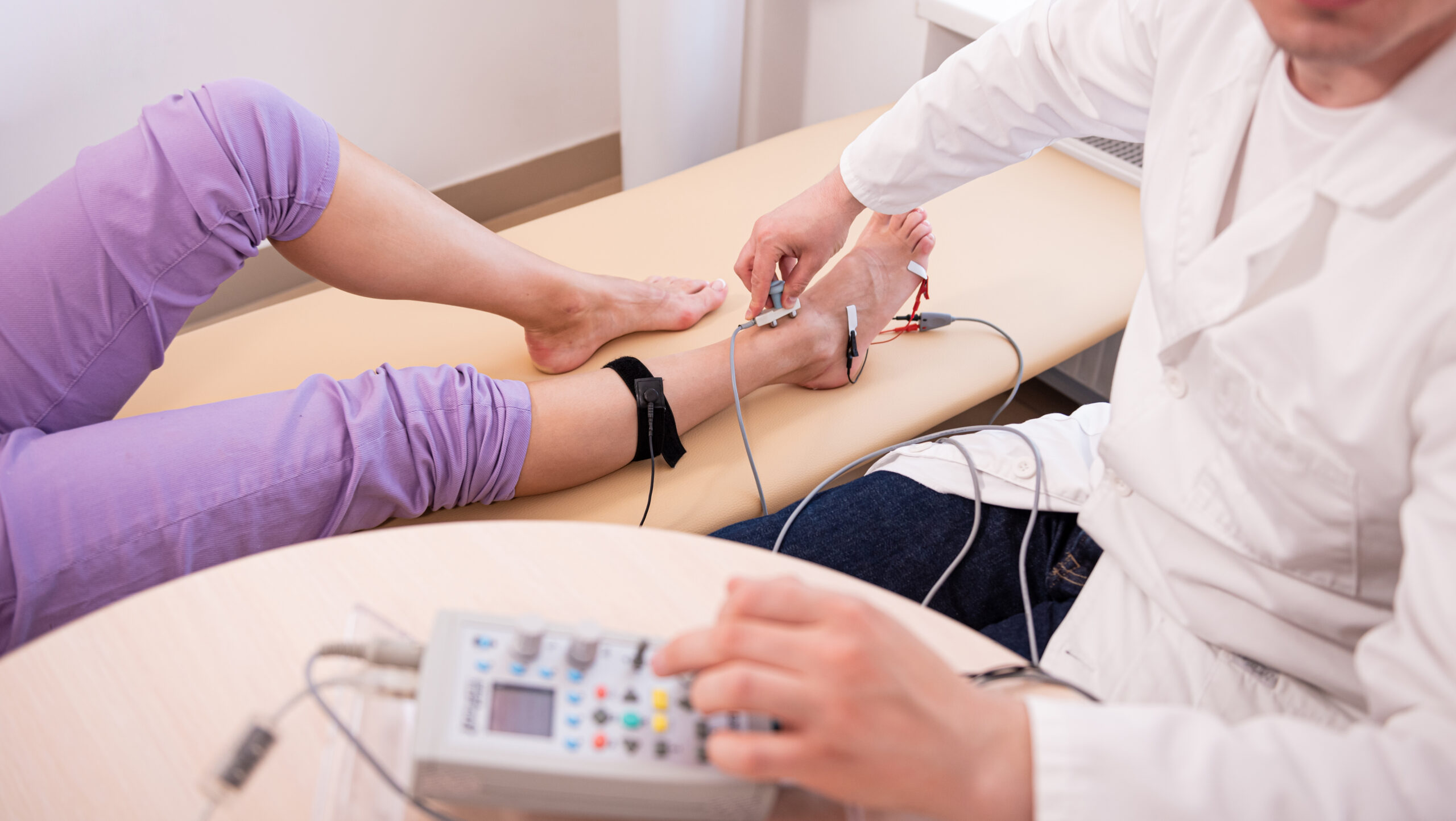
- Electrode Placement: During the testing, the therapist will place small electrodes on specific muscles or insert needle electrodes into the muscles being evaluated. This process may cause minimal discomfort, but it is generally well-tolerated.
- Recording and Analysis: The electrodes will detect and record the electrical signals as you perform various muscle movements. Our therapists then analyze these signals to assess muscle and nerve function accurately.
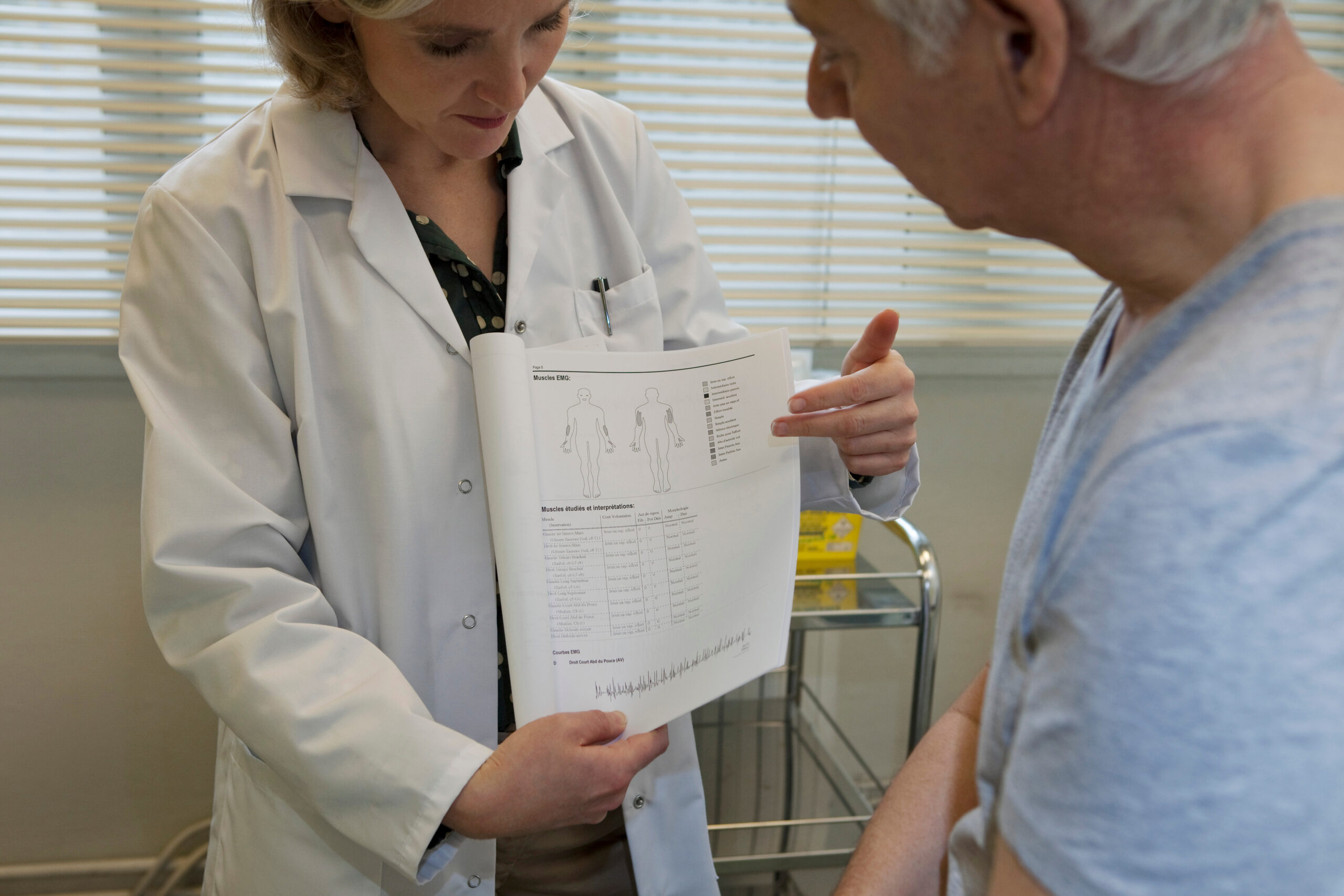
- Test Results and Diagnosis: Once the testing is complete, your therapist will interpret the results and provide you and the referring physician with a comprehensive diagnosis. They will explain the findings, discuss the implications for your condition, and recommend appropriate treatment options.
You can trust our physical therapy specialists to provide the expertise and guidance your client’s need in navigating the complexities of EMG testing for repetitive strain injuries!
Call to schedule an appointment today!
If you suspect your client is dealing with a repetitive strain injury, don’t let it hinder their ability to work and perform daily activities any longer. Our team specializes in EMG testing and can provide your client with personalized treatment.
Contact Integrity Diagnostics today and schedule a consultation with our experienced physical therapists!


Leave a Reply