What is EMG Testing? Learn how it works and why it’s a key part of worker’s compensation claims!
Did you know that it’s possible to measure the electrical activity of your muscles and nerves? The procedure, known as electromyography or EMG, uses state-of-the-art technology to give you and your client detailed insight into their muscular system. But what is EMG testing?
It’s a simple procedure that measures the electrical activity of your body’s muscles through an electrode. By looking at this activity, our therapists can detect neuromuscular abnormalities–which allows us to more easily get to the root cause of any pain or impairments your client is experiencing.
But if you’ve never undergone an EMG procedure yourself, you may be uncertain what it entails. Keep reading to learn more about the procedure, including what conditions it can test for and what your clients can expect when they come in for a testing session. Or call us at our Snellville physical therapy clinic. One of our staff will be happy to answer any questions you have!
What Conditions Can EMG Testing Identify?
If your client is experiencing any pain, numbness, or weakness in a particular area, the first step is identifying the source of their discomfort. EMG testing simplifies that process and is an excellent choice for diagnosing and assessing the following injuries and conditions:
- Workplace injuries
- Repetitive use injuries
- Carpal tunnel syndrome
- Back and neck pain
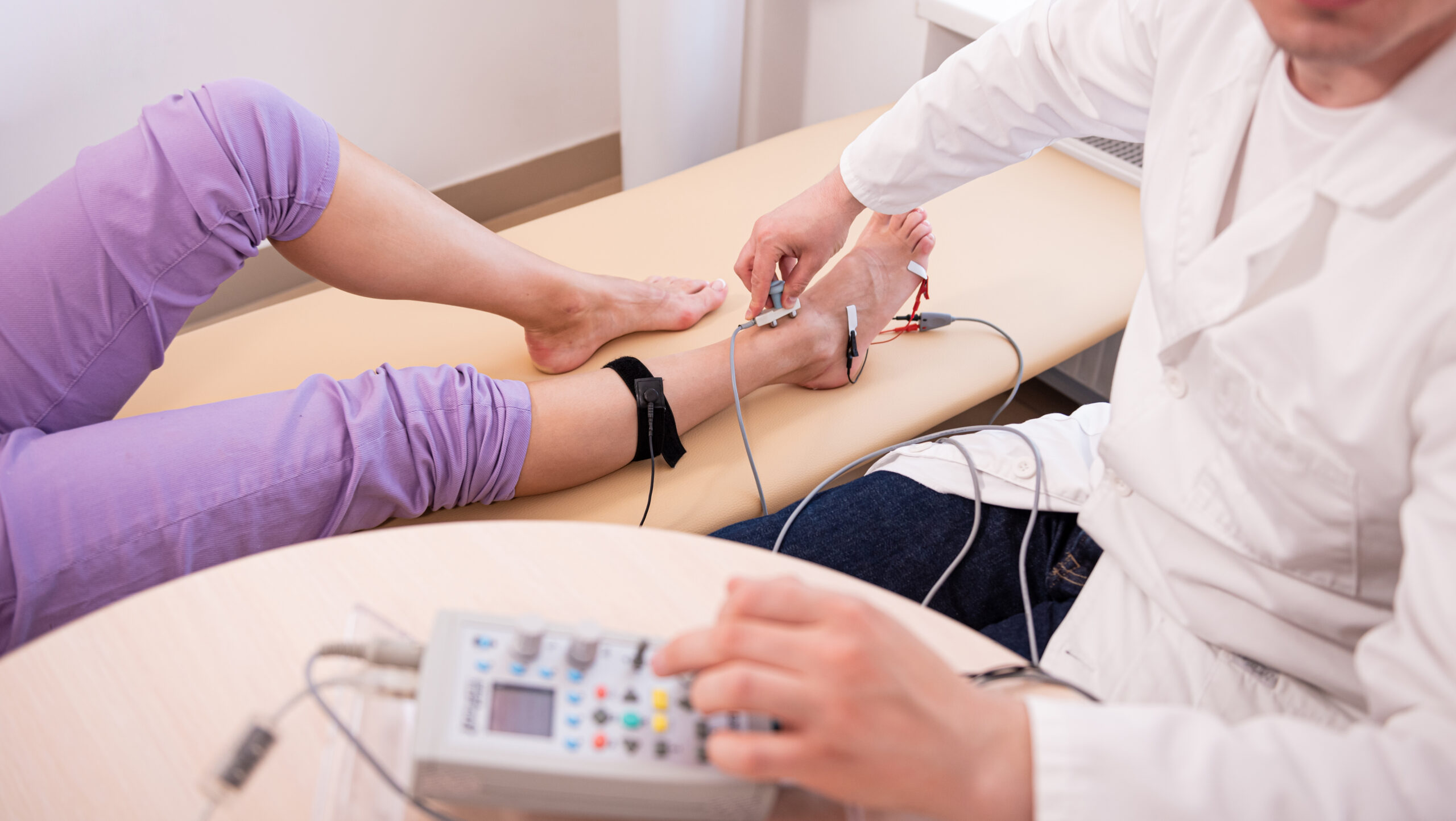
EMG testing is often used with a nerve conduction study (NCS), which measures how quickly electrical signals move through your nerves. Together, these two tests can help us identify and assess several nerve- and muscle-related disorders.
What to Expect During an EMG Testing Session
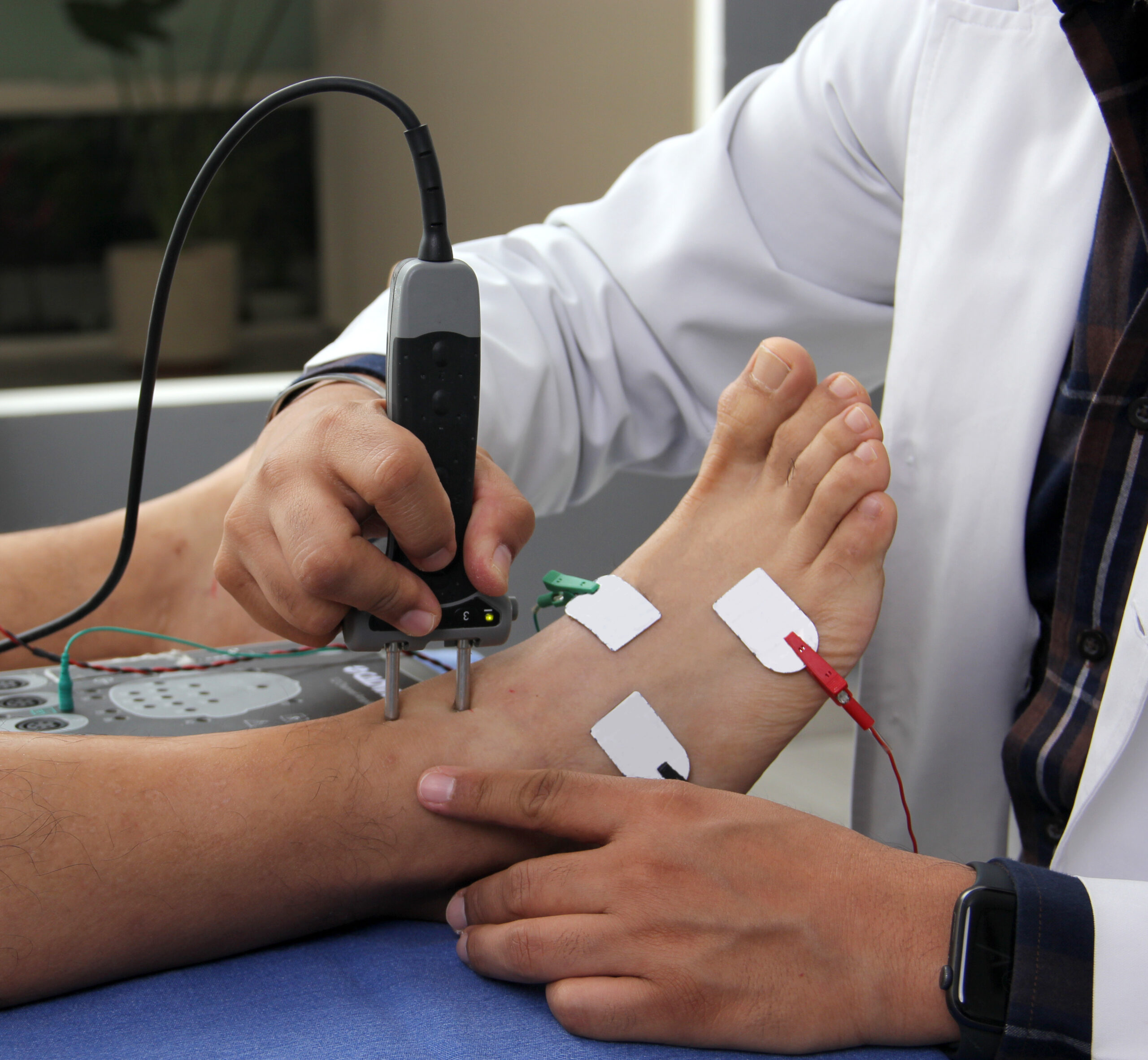
There are two types of EMG tests. A needle EMG involves inserting a thin needle into the affected area, while a surface EMG involves placing an adhesive electrode over the affected area.
Your client doesn’t need to do anything significant to prepare for their EMG testing sessions. Mainly, they need to avoid applying any lotions or oils to their skin before their test, which can interfere with neural signals, potentially altering results. They should come to the session in comfortable, loose-fitting clothing.
If your client has a pacemaker or similar device, had a mastectomy, or is taking blood thinners, please have them alert our therapists. While we can still safely perform the test for them, it’s important that we’re aware of these conditions.
During the appointment, our certified EMG specialist will clean and prepare the area before inserting the EMG needle into the affected area. We understand that this procedure can cause discomfort in some people, and your clients are welcome to take pain medication before coming to the appointment.
Once our specialist has placed the electrodes, they will measure the muscle at rest, providing one data set. We’ll then ask the patient to slowly and steadily tighten the muscle, providing another data set. If necessary, we’ll repeat this procedure in different muscles.
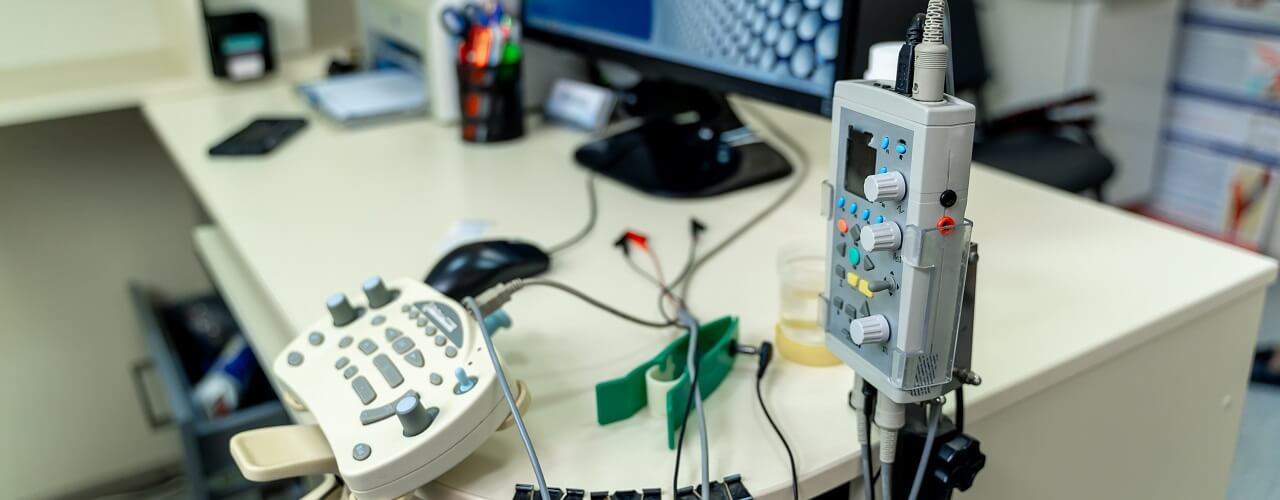
Throughout the testing, the client’s muscle’s electrical activity is recorded and transmitted to a screen, where they can see the feedback in real time. We’ll also send this information to you and your client’s doctor in a formal report within 24-48 hours.
The overall appointment should last between 30 – 90 minutes, depending on what we’re testing for and what we find. Afterward, there’s nothing specific the client will need to do to the testing area. They may feel some lingering effects of this testing, but that should fade quickly.
Call Our Snellville Office To Learn More
EMG testing is a safe, proven method of diagnosing and assessing several common sources of musculoskeletal pain and discomfort, including workplace injuries. It can help you determine if your client’s symptoms are due to an injury, a muscular disease, or something else.
To schedule a referral for an EMG testing appointment, call Integrity Diagnostics today!