

Electromyography (EMG) and Nerve Conduction Studies (NCS) are two common diagnostic tests used by healthcare professionals to evaluate the health and functioning of your muscles and nerves. These tests can provide crucial insights into a variety of medical conditions, such as neuropathies, muscle disorders, and nerve injuries. If your doctor has recommended an EMG and NCS test, you might be wondering what to expect. In this blog post, we’ll walk you through the process, from preparation to post-test care.
What is an EMG and NCS Test?
Before delving into what to expect, it’s important to understand what EMG and NCS tests are:
EMG (Electromyography): This test measures the electrical activity of your muscles. It involves inserting a fine needle electrode into the muscle of interest to record electrical signals while you contract and relax the muscle. The results can help identify muscle disorders and pinpoint the location and severity of problems.
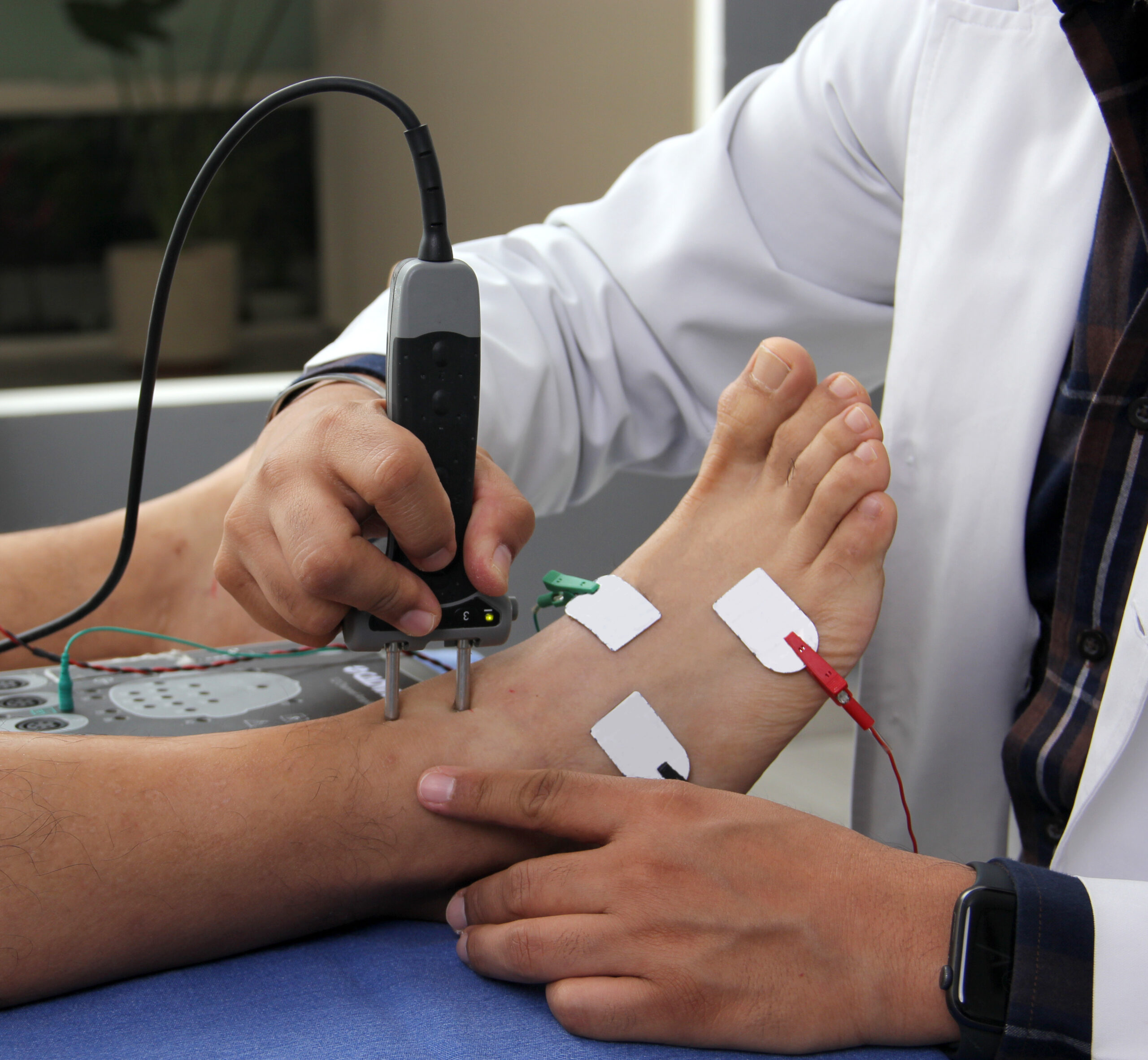
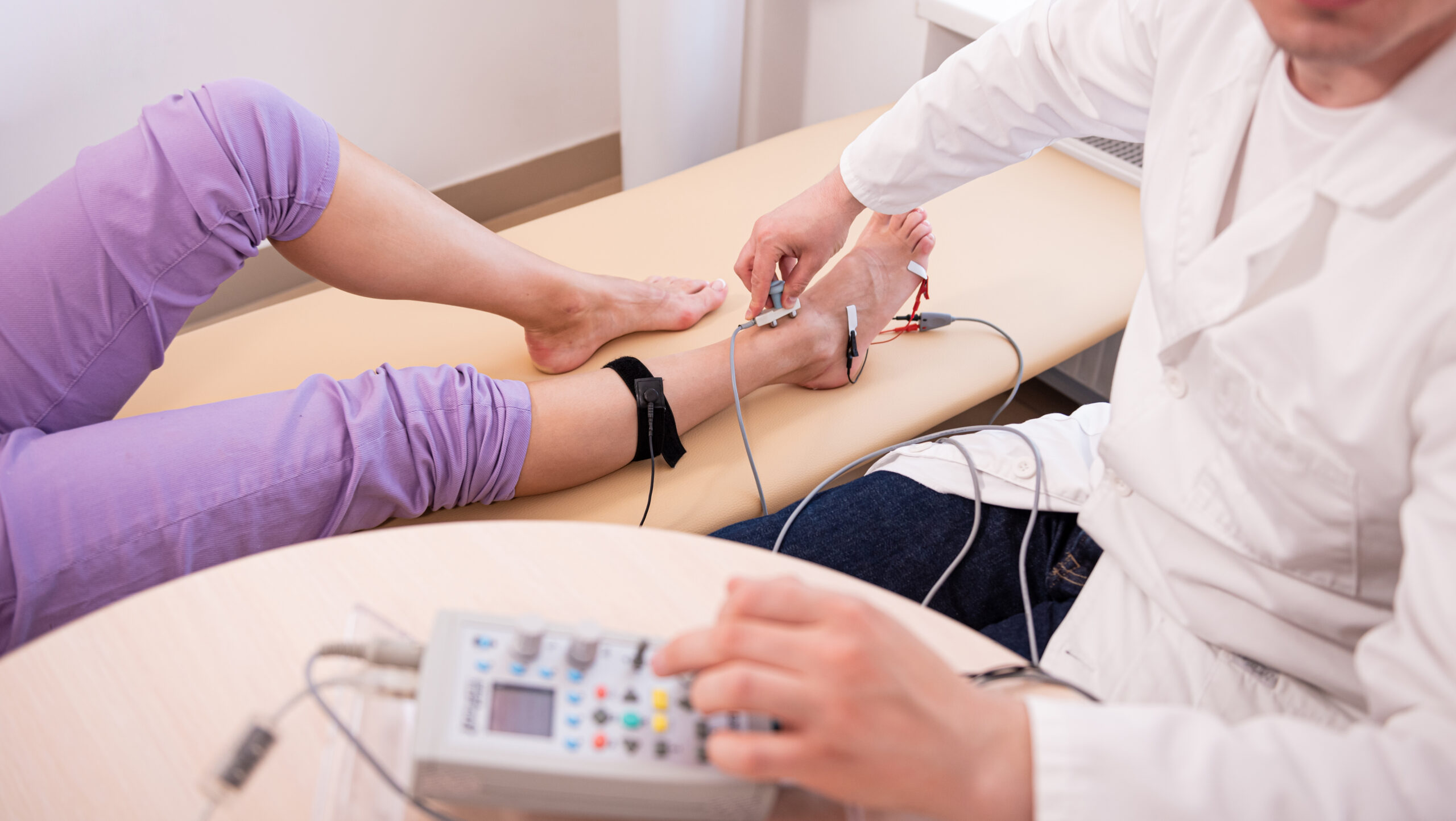
NCS (Nerve Conduction Studies): NCS evaluates the functioning of your nerves by measuring the speed and strength of electrical signals as they travel along the nerves. It typically involves attaching surface electrodes to your skin to stimulate and record nerve responses. This test can diagnose various conditions, such as carpal tunnel syndrome and peripheral neuropathies.
Preparing for the Tests
Before your EMG and NCS tests, there are a few important things to keep in mind:
1. Inform Your Doctor: Be sure to inform your healthcare provider about any medications you’re taking, as some drugs may affect test results. You should also let them know if you have any allergies or blood clotting disorders.
2. Dress Comfortably: Wear loose-fitting clothing that allows easy access to the areas being tested. You may need to change into a hospital gown for the test, so consider bringing one along.
3. Remove Lotions and Oils: Avoid using lotions or oils on the day of the test, as they can interfere with the electrode placement and the quality of the results.
During the Tests
Now, let’s walk through what to expect during both the EMG and NCS tests:
1. Electromyography (EMG):
– Positioning: You will typically be asked to sit or lie down, depending on the muscle being tested.
– Electrode Placement: A fine needle electrode will be inserted into the muscle, which is most commonly described as a “pinching sensation.” It does NOT feel like an injection. Multiple muscles may be tested.
– Muscle Contractions: You’ll be instructed to contract and relax the muscle at different levels of intensity to record its electrical activity.
– Duration: The test can take anywhere from 20 minutes to an hour, depending on the number of muscles being examined.
2. Nerve Conduction Studies (NCS):
– Electrode Placement: Surface electrodes will be attached to your skin at various points along the nerve pathway being studied.
– Stimulation and Recording: Your doctor will stimulate the nerve with a small electrical impulse, and the response will be recorded.
– Duration: NCS is typically shorter than EMG and can take 15-30 minutes or longer depending on the number of nerves tested.
After the Tests
After the EMG and NCS tests are complete, here’s what you can expect:
1. Resuming Normal Activities: You can usually resume your regular activities immediately after the tests. There are typically no restrictions on driving or eating.
2. Temporary Discomfort: You may experience mild discomfort, mild small bruising, or soreness at the site where the needle electrodes were inserted during the EMG. This usually resolves within a day or two. Hundreds of thousands of people annually experience this examination without any side effects.
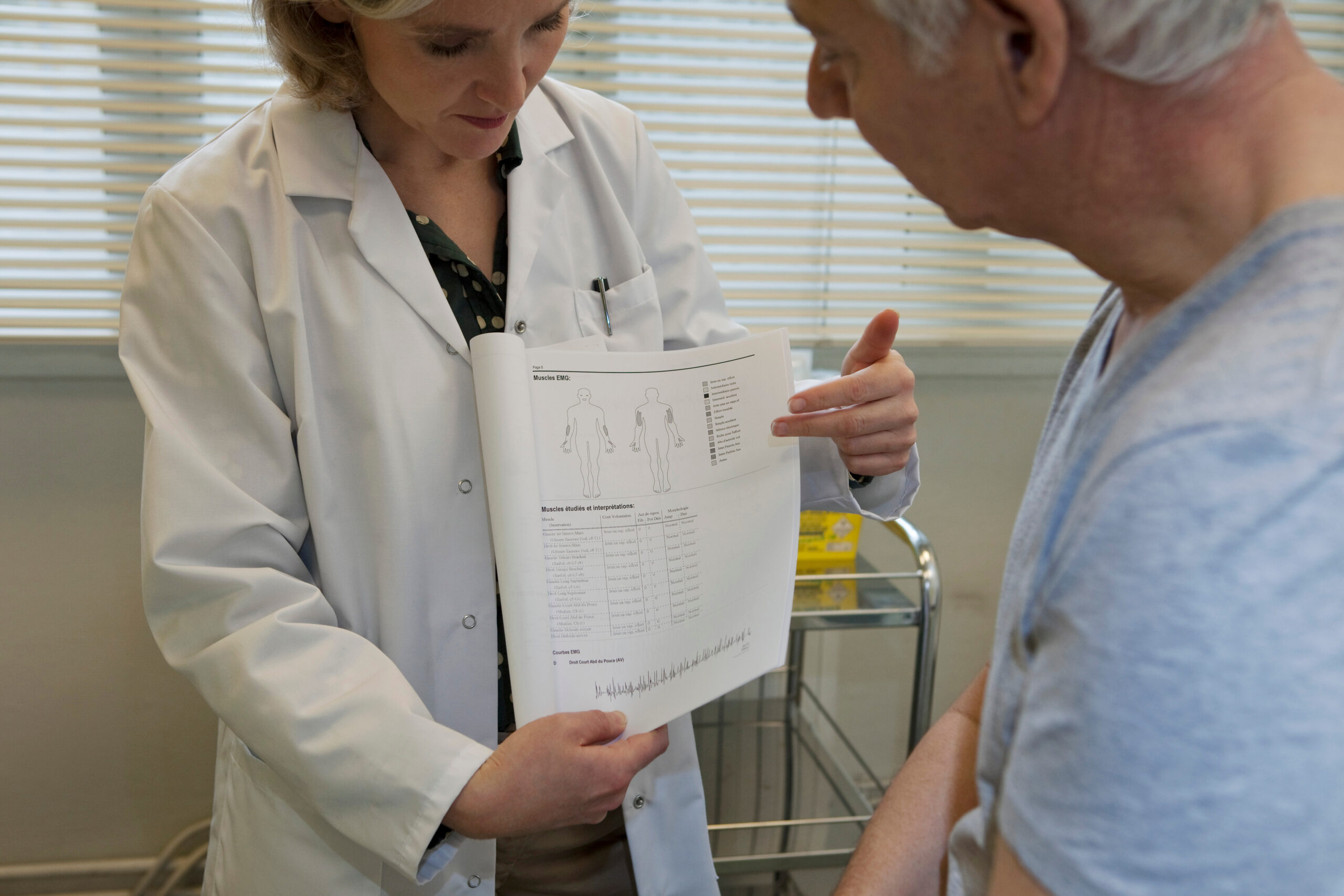
3. Test Results: Your doctor will review the results and discuss them with you during a follow-up appointment. The EMG and NCS tests provide valuable information that can help guide treatment decisions.
Electromyography (EMG) and Nerve Conduction Studies (NCS) are valuable diagnostic tests that provide insights into the health and functioning of your muscles and nerves. Understanding what to expect can help alleviate any anxiety and ensure you’re well-prepared for the tests. These tests are essential tools that can aid in the diagnosis and treatment of various medical conditions, ultimately contributing to your overall health and well-being.

Leave a Reply