

Carpal Tunnel Syndrome (CTS) is a common and often painful condition that affects the hands and wrists, particularly in individuals who engage in repetitive tasks or have underlying health conditions. Diagnosing CTS can be challenging due to its subtle symptoms and overlap with other hand and wrist conditions. However, medical science has a valuable tool at its disposal: Electromyography (EMG) testing. In this blog post, we will explore what CTS is, how EMG testing works, and how it can aid in the diagnosis and management of Carpal Tunnel Syndrome. If you suspect you may have Carpal Tunnel Syndrome, contact us at Integrity Diagnostics Network.
Understanding Carpal Tunnel Syndrome
Carpal Tunnel Syndrome is a condition characterized by the compression of the median nerve as it passes through the carpal tunnel, a narrow passageway in the wrist. The carpal tunnel consists of bones, tendons, and ligaments that surround the median nerve, which controls sensations in the thumb, index, middle, and ring fingers, as well as muscle function in the hand.
The most common symptoms of CTS include:
1. Numbness and tingling in the affected fingers.
2. Weakness in the hand and difficulty gripping objects.
3. Pain and discomfort in the wrist and forearm.
These symptoms can be subtle at first, but if left untreated, they can become chronic and debilitating.
The Role of EMG Testing
Electromyography (EMG) is a diagnostic technique that measures the electrical activity of muscles and the nerves controlling them. In the context of Carpal Tunnel Syndrome, EMG
testing is invaluable for several reasons:
1. Nerve Function Assessment: EMG testing allows medical professionals to assess the function of the median nerve, the primary nerve affected by CTS. By measuring the electrical signals transmitted by this nerve, doctors can determine if there is any abnormality in its functioning, such as slowing of nerve conduction.
2. Differentiating CTS from Other Conditions: CTS can mimic the symptoms of other hand and wrist conditions, such as tendinitis or arthritis. EMG testing helps to differentiate CTS from these conditions by identifying the specific involvement of the median nerve.3. Severity Assessment: EMG testing not only aids in the diagnosis but also helps determine the severity of CTS. This information is crucial for deciding on the appropriate treatment plan, ranging from conservative measures like splinting and physical therapy to more invasive options like surgery.
The EMG Testing Procedure
EMG testing typically involves two parts:
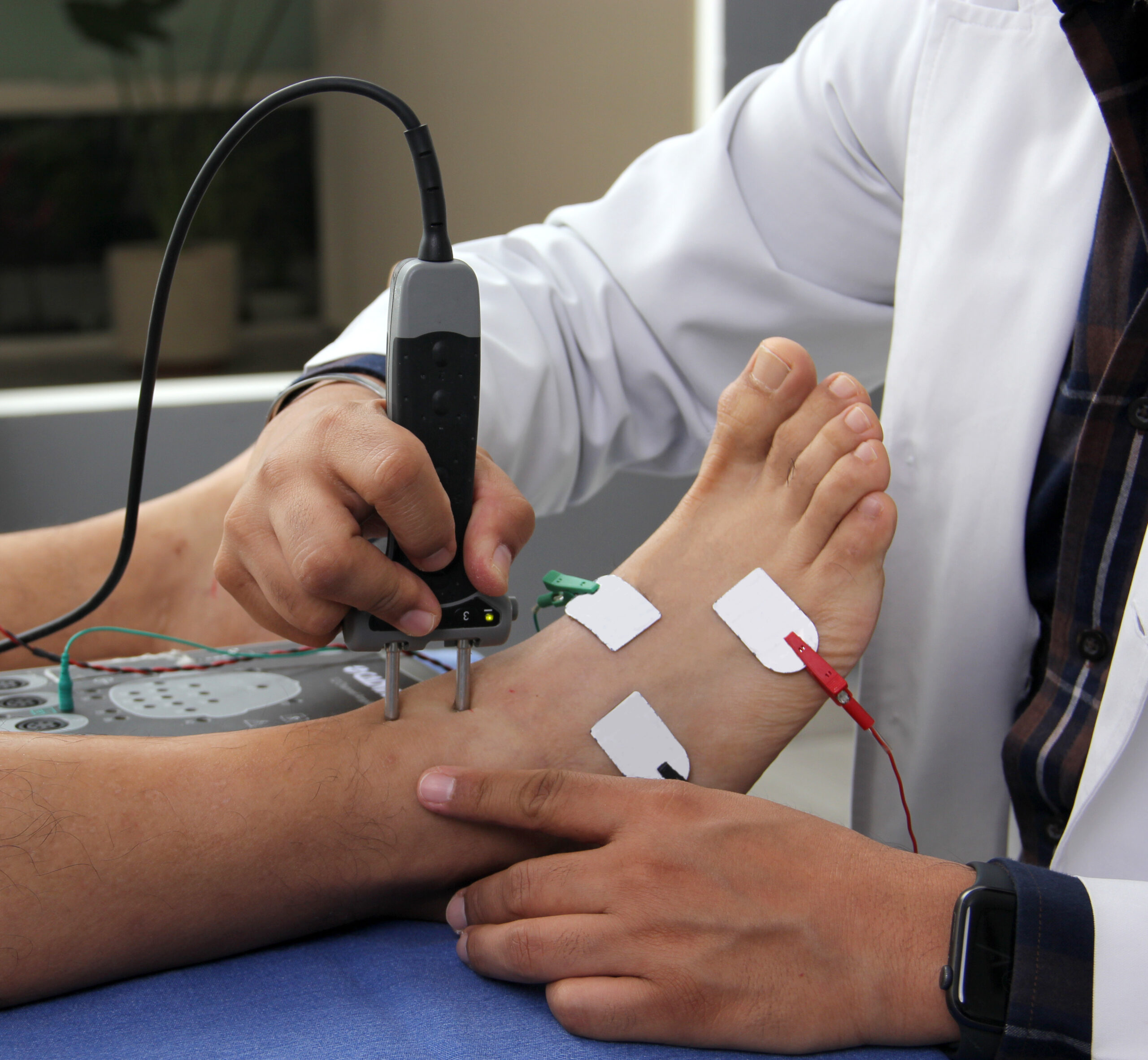
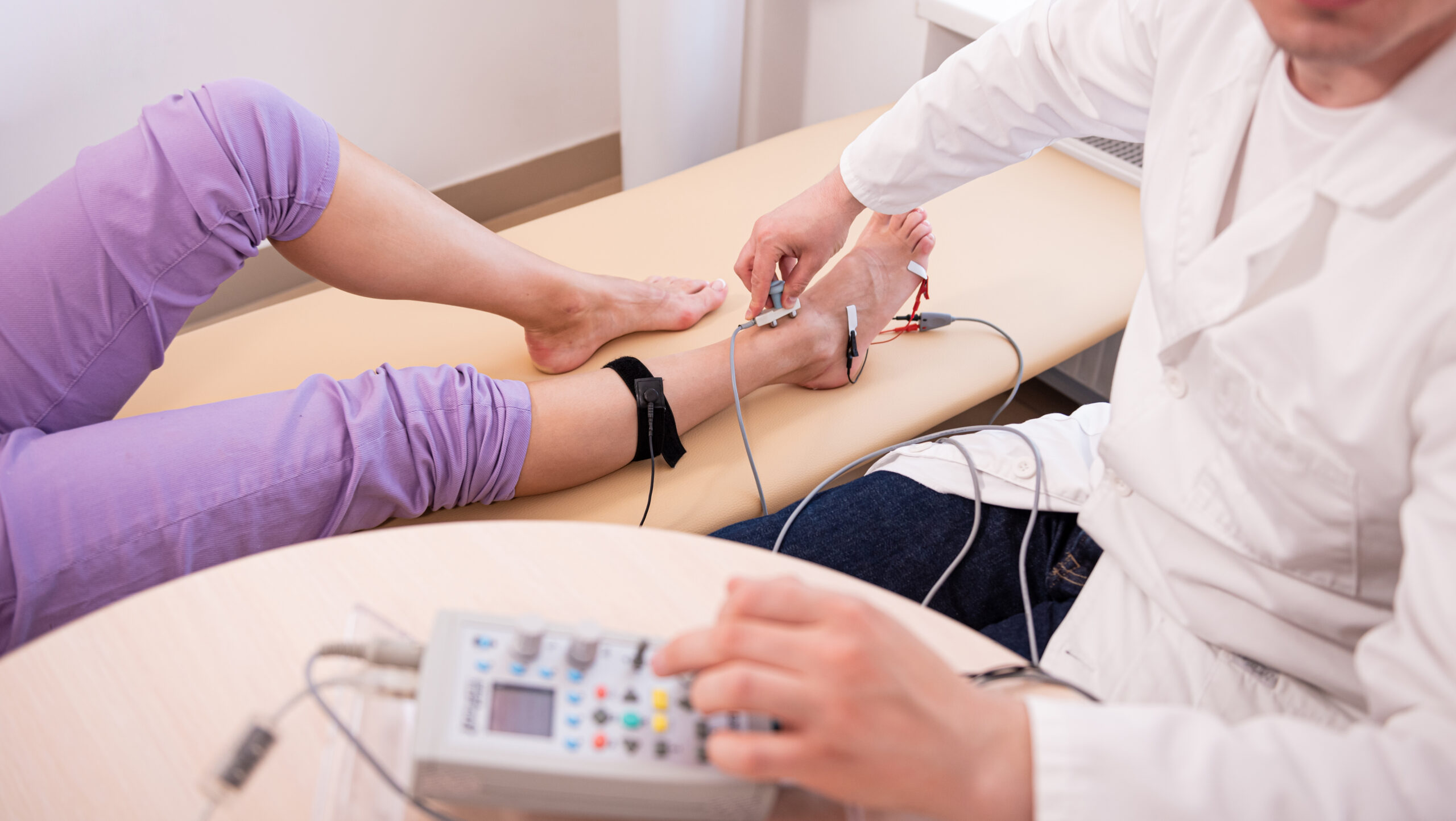
1. Nerve Conduction Studies: These tests measure the speed and strength of electrical signals as they travel along the median nerve. A technician places electrodes on the skin to stimulate the nerve and record the response. Slower conduction can indicate nerve compression.
2. Needle Electromyography: In this part of the test, a fine needle electrode is inserted into specific muscles in the hand and forearm. This assesses the electrical activity of the muscles and helps identify any muscle atrophy or denervation, which can occur when the median nerve is compromised.
EMG Testing Benefits
The benefits of EMG testing in the context of Carpal Tunnel Syndrome are significant:
1. Accurate Diagnosis: EMG testing provides a highly accurate and objective method of diagnosing CTS.
2. Early Detection: It can detect CTS in its early stages, allowing for timely intervention and preventing further nerve damage.
3. Informed Treatment: Results from EMG testing guide healthcare providers in tailoring treatment plans to each patient’s specific needs.
4. Prognostic Information: EMG testing can help predict the likelihood of recovery after treatment, helping both patients and healthcare providers set realistic expectations.
Carpal Tunnel Syndrome can have a profound impact on an individual’s quality of life, making an accurate and timely diagnosis crucial. Electromyography (EMG) testing plays a pivotal role in identifying and managing CTS. With its ability to assess nerve function, differentiate CTS from other conditions, and determine severity, EMG testing empowers healthcare professionals to provide effective and individualized care to patients suffering from this common hand and wrist ailment. If you suspect you may have Carpal Tunnel Syndrome, consulting our healthcare provider for a proper diagnosis, potentially involving EMG testing, is an essential step in regaining hand and wrist health.



Leave a Reply