

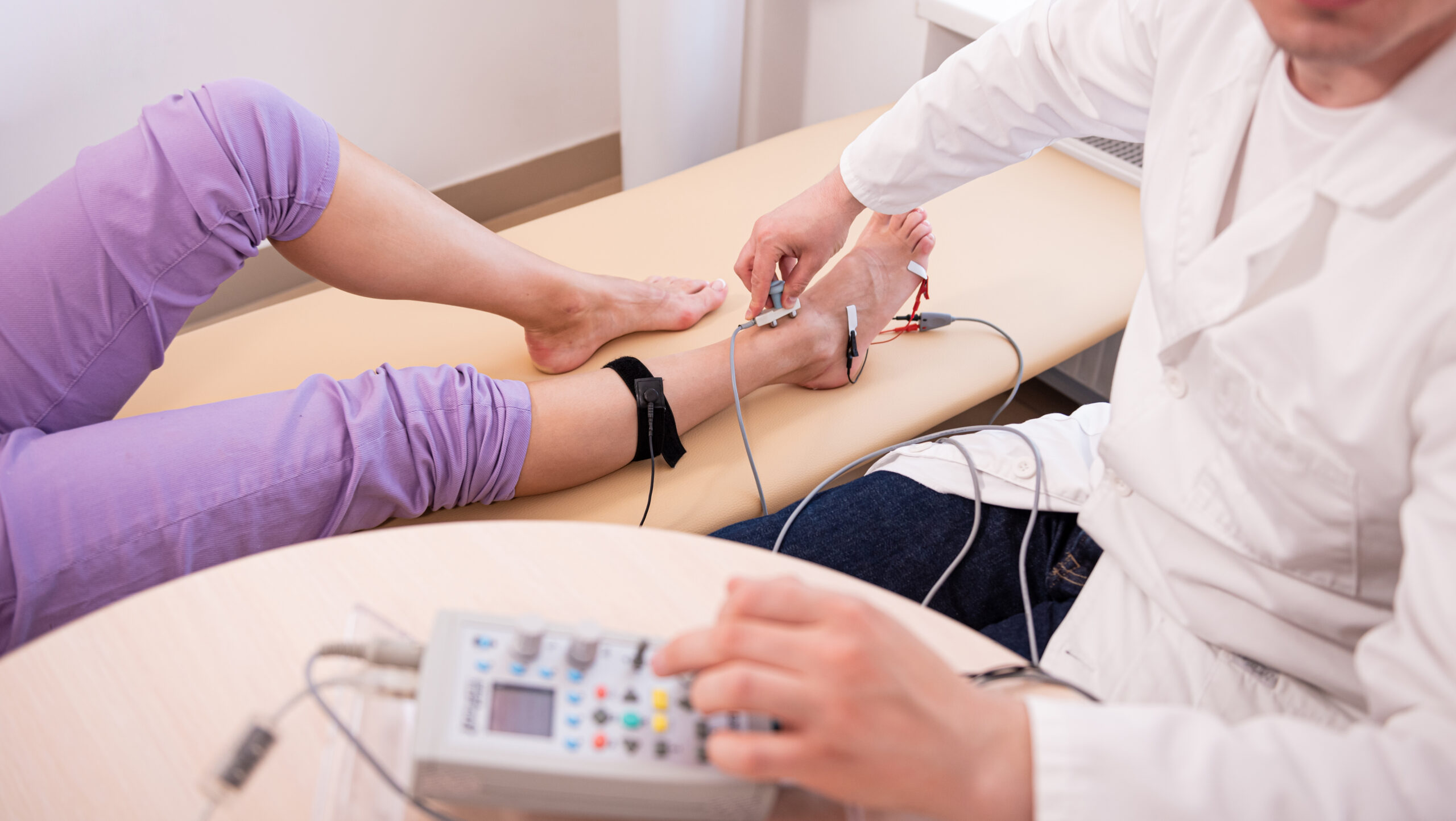
The intricate architecture of the human body is susceptible to various ailments, some of which can affect the lower extremities, including the feet and ankles. Tarsal Tunnel Syndrome is one such condition that can lead to discomfort and impaired functionality. Exploring this syndrome and its correlation at Integrity Diagnostics Network with with Electrodiagnostics (EDX). EDX uses electromyography (EMG) and nerve conduction studies (NCS) to examine the health of potentially effected nerves and muscles in conditions like Tarsal Tunnel Syndrome. EMG / NCS can provide valuable insights into the diagnostics aspects associated with this condition.
Understanding Tarsal Tunnel Syndrome
Tarsal Tunnel Syndrome is a compression neuropathy (“pinched nerve”) that affects the tibial nerve as it travels through the tarsal tunnel, a narrow space located on the inside of the ankle, beneath the bony prominence known as the medial malleolus. Similar to carpal tunnel syndrome in the wrist, Tarsal Tunnel Syndrome can cause pain, numbness, and tingling sensations in the inner ankle, sole of the foot, and toes. This syndrome can be attributed to various factors, including overuse, trauma, or structural abnormalities that lead to pressure on the tibial nerve within the tarsal tunnel.
Key factors contributing to Tarsal Tunnel Syndrome include:
- Anatomical variations causing compression of the tibial nerve
- Chronic overpronation or pes planus (commonly called “flat feet”) leading to increased strain on the tibial nerve
- Trauma or injury to the ankle resulting in nerve compression or inflammation
- Systemic conditions such as diabetes or arthritis which can contribute to nerve damage
The Role of Electromyography (EMG) in Tarsal Tunnel Syndrome
Electromyography (EMG) serves as a crucial diagnostic tool in the evaluation of Tarsal Tunnel Syndrome, aiding in the assessment of nerve function and identifying potential muscular abnormalities associated with nerve compression. Through the use of small, fine needles inserted into specific muscles, EMG measures the electrical activity generated during muscle contraction and at listens to any potential muscle dysfunction in a resting muscle. This process helps in pinpointing the exact location and severity of nerve dysfunction, facilitating accurate diagnosis and appropriate treatment planning.
EMG can assist physical therapists in the following ways:
- Distinguishing between nerve-related issues and muscle-related conditions
- Assessing the extent of nerve damage and its impact on muscle function
- Referring for and designing targeted rehabilitation strategies to improve muscle strength and restore normal movement patterns
- Monitoring the progression of nerve recovery and adapting the treatment plan accordingly
Treatment and Rehabilitation Strategies for Tarsal Tunnel Syndrome
The treatment approach for Tarsal Tunnel Syndrome may involve bracing / splinting, injections, orthotics, and commonly involves physical therapy interventions all aimed at alleviating symptoms, reducing nerve compression, and enhancing overall foot function.
Integrating EMG/NCS findings into the rehabilitation process allows for a comprehensive understanding of the muscular and neural components involved, enabling the medical team to tailor treatment plans to address specific deficits and restore optimal foot function.
In conclusion, comprehending the relationship between Tarsal Tunnel Syndrome and Electromyography/Nerve Conduction Studies is instrumental in facilitating accurate diagnosis and effective management of this condition. By leveraging the insights provided by EMG/NCS testing, the medical team can develop personalized rehabilitation plans to alleviate symptoms, restore normal foot function, and enhance the overall quality of life for individuals affected by Tarsal Tunnel Syndrome.
If you suspect that you or someone you know may be experiencing symptoms of Tarsal Tunnel Syndrome, it is advisable to consult our qualified healthcare professional for a comprehensive evaluation and guidance on the most suitable treatment options.




Leave a Reply