
Introduction
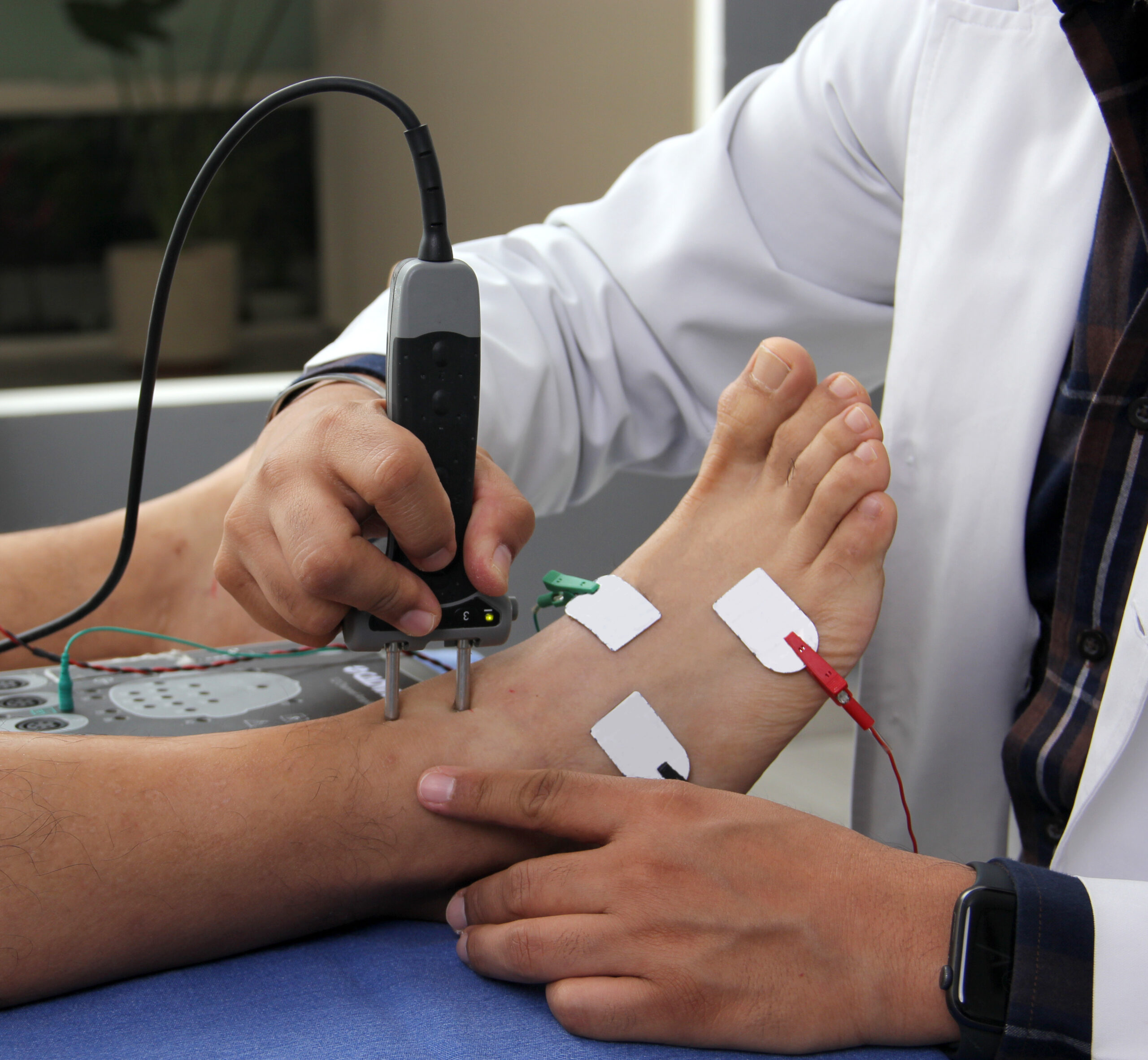
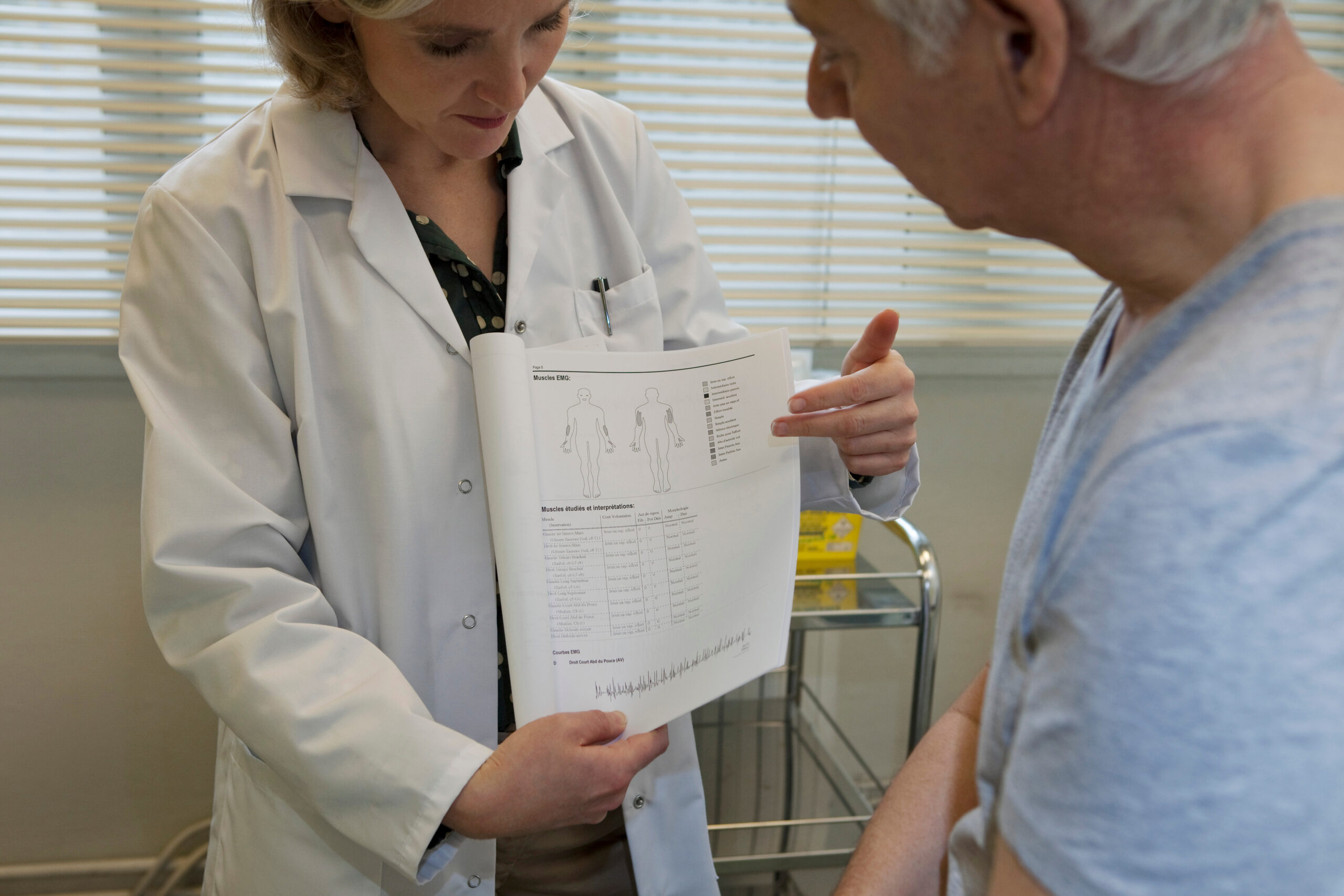
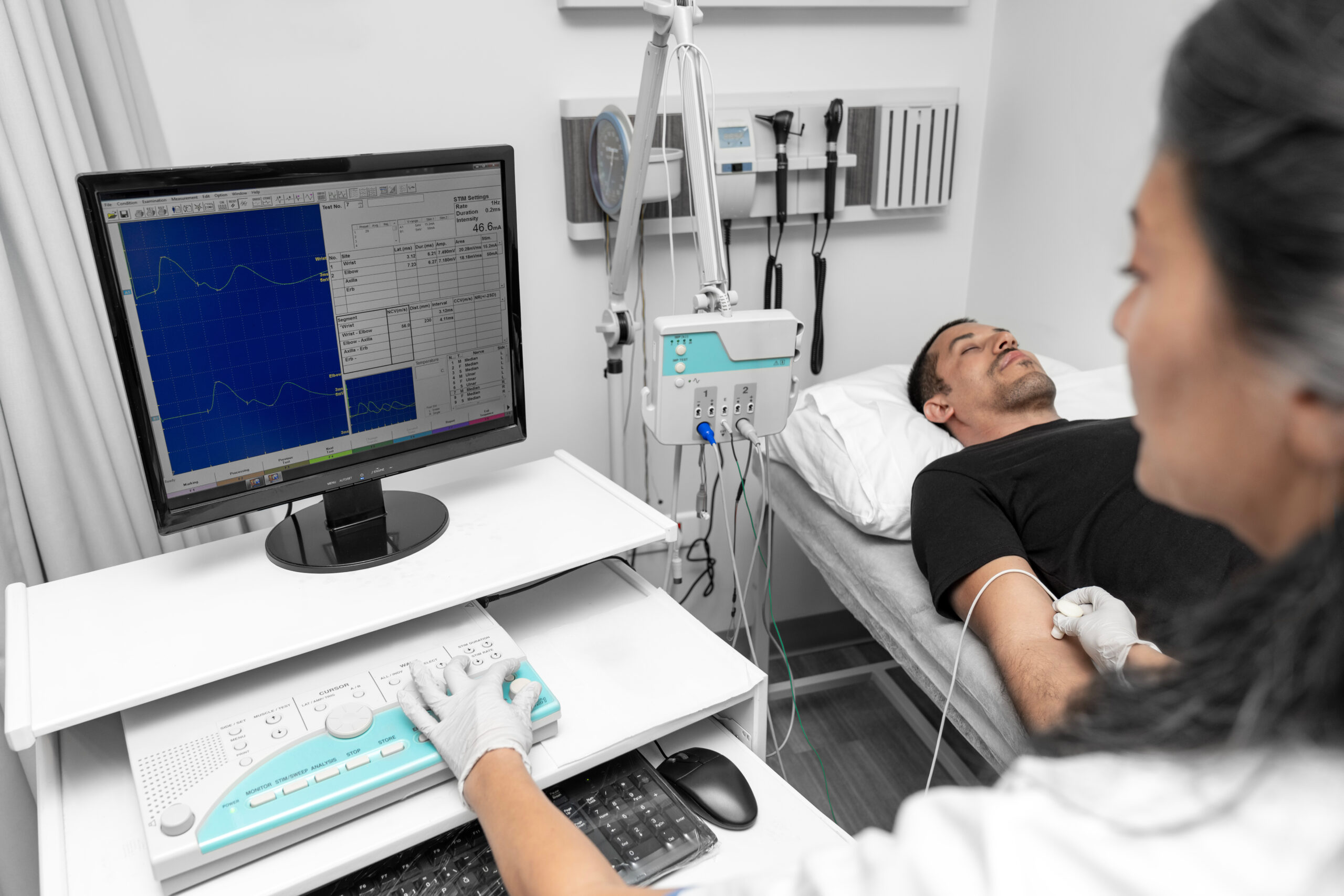
In workers’ compensation and occupational medicine cases, objective data is essential. Symptoms like numbness, tingling, or weakness can be subjective, but EMG/NCS provides measurable evidence that supports accurate diagnosis, causation, and treatment planning.
Key Applications in Work-Related Cases
- Injury vs. Pre-Existing Condition
- EMG/NCS can differentiate acute nerve injury from chronic neuropathy.
- Helps determine whether findings are truly work-related.
- Clarifying Mechanism of Injury
- Confirms entrapment neuropathies (e.g., carpal tunnel from repetitive use).
- Identifies radiculopathy from heavy lifting or trauma.
- Return-to-Work Decisions
- Objective data shows whether deficits are improving or permanent.
- Guides safe timelines for modified or full duty.
- Medicolegal Documentation
- Provides defensible, evidence-based reports.
- Reduces disputes between insurers, employers, and employees.
Case Example
A warehouse worker reported hand weakness after years of repetitive lifting. MRI showed cervical spine changes, raising the question of radiculopathy. EMG/NCS confirmed median nerve entrapment at the wrist (carpal tunnel), linking the injury directly to occupational exposure.
For occupational medicine and workers’ comp, EMG/NCS provides clarity that benefits providers, patients, insurers, and employers. It reduces uncertainty and ensures fair, evidence-based decisions.
Integrity Diagnostics delivers comprehensive, defensible EMG/NCS reports tailored for occupational and workers’ compensation cases. Contact us to learn more.

Leave a Reply