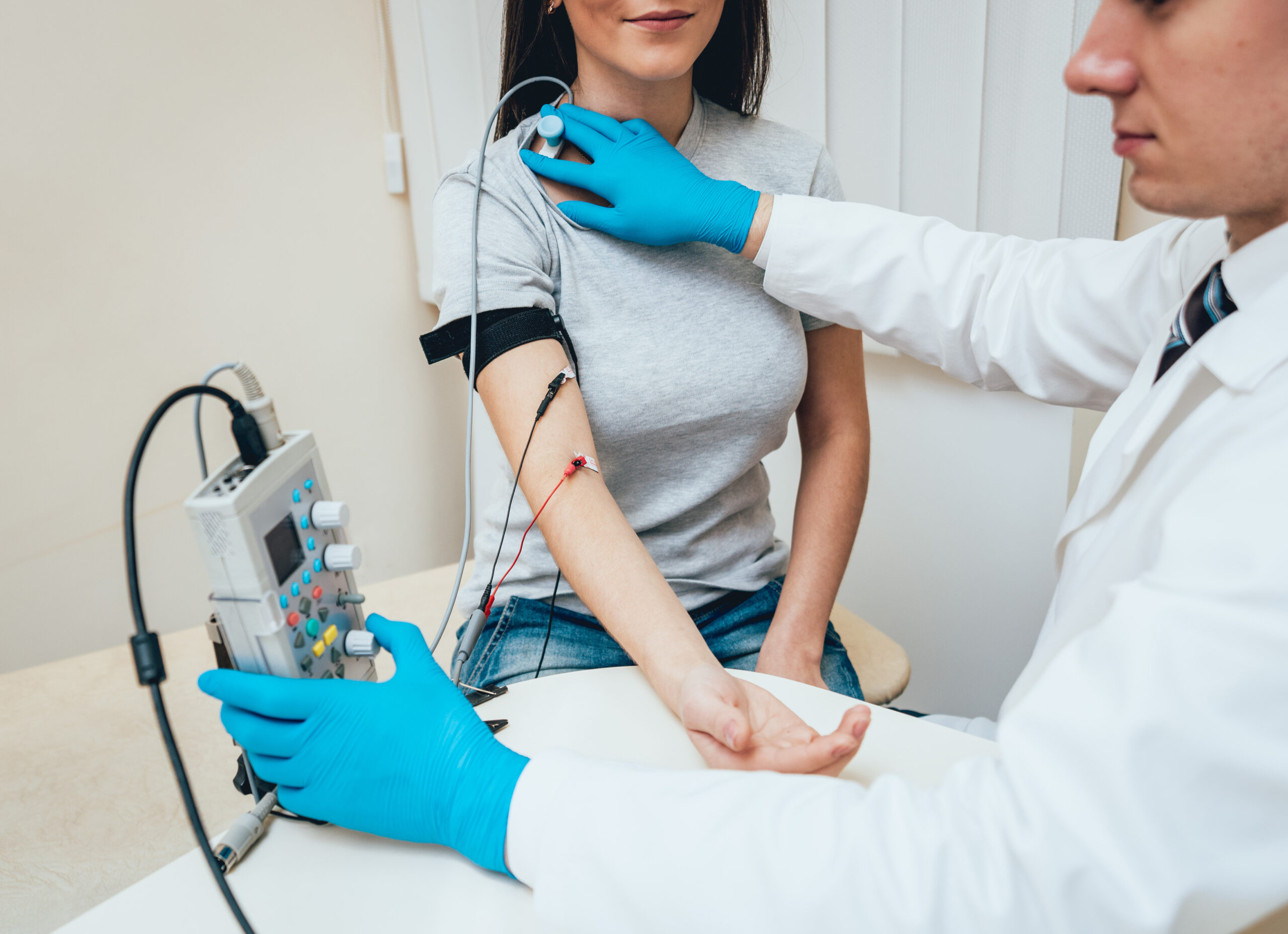
EMG/NCS Best Practices: Accuracy & Patient Comfort

EMG/NCS Best Practices: Accuracy & Patient Comfort

,

Introduction
Electrodiagnostic testing is only as valuable as the accuracy of its performance and interpretation. For providers, partnering with a trusted EMG/NCS team means confidence in results and patient satisfaction.

Best Practices for Accuracy

  1. Board-Certified Electromyographers
    • ECS or ABEM-certified physicians ensure high-level expertise.
  2. Proper Timing
    • Testing 3–4 weeks post-injury allows time for denervation to appear.
  3. Standardized Protocols
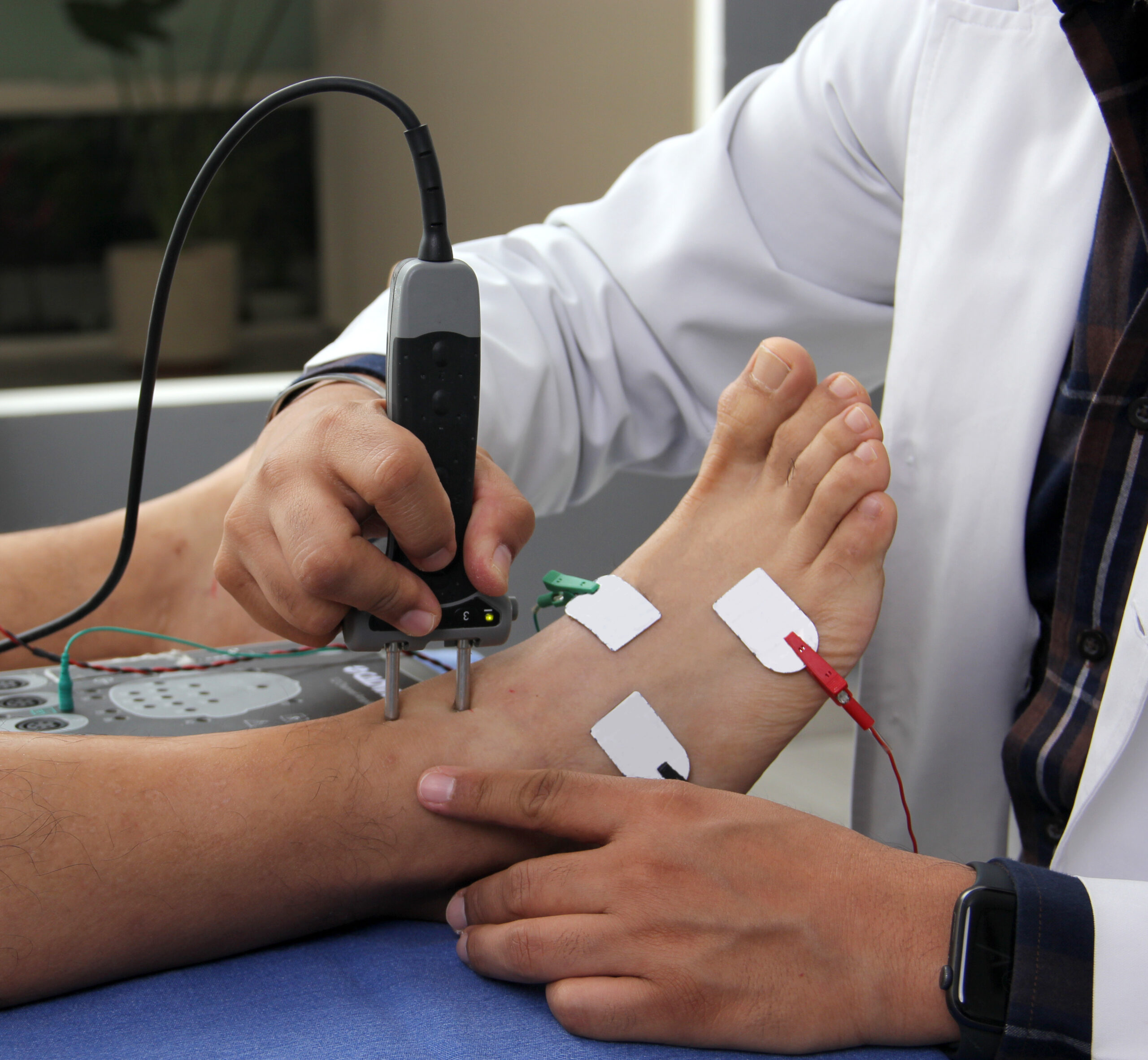
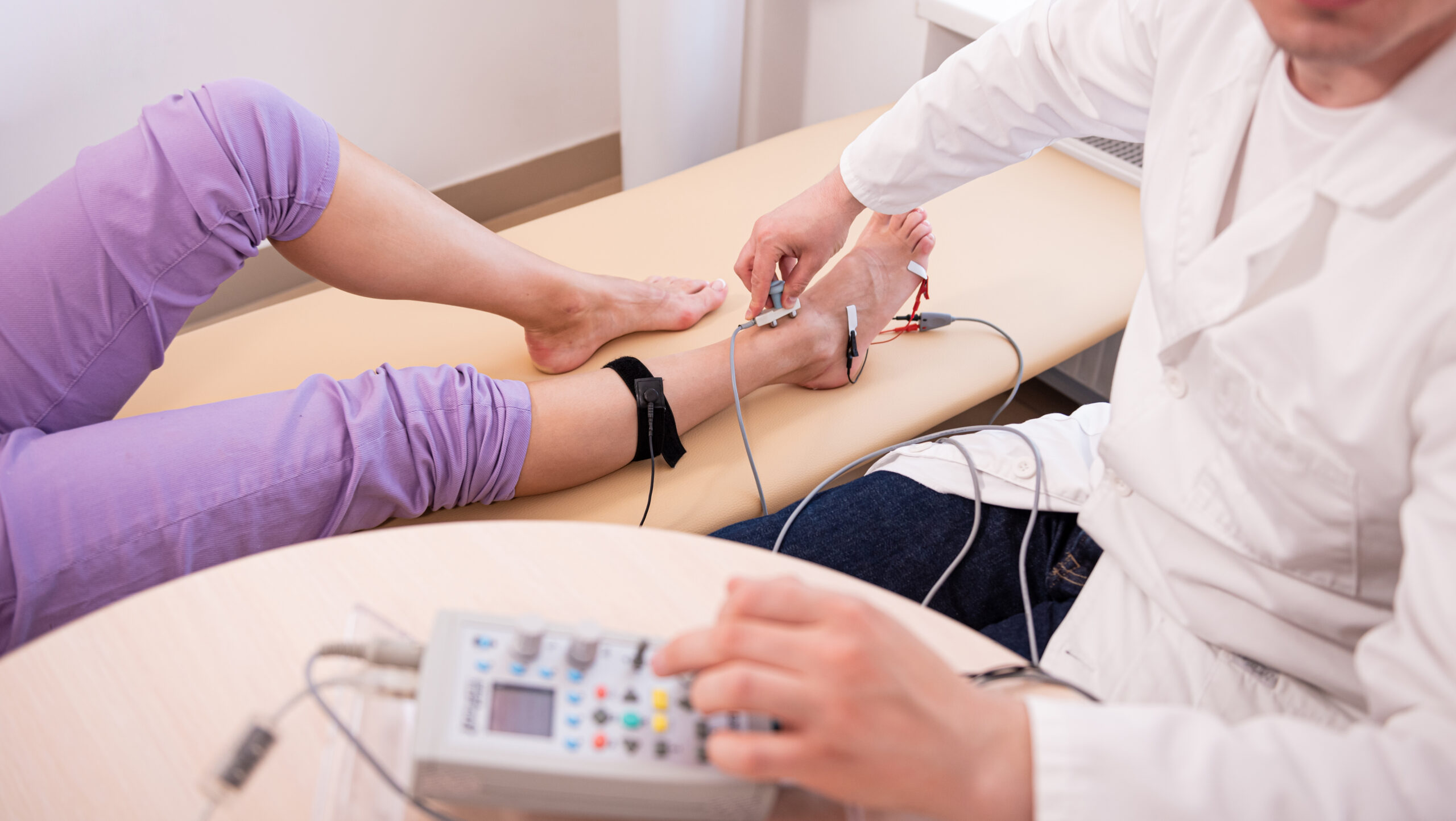
    • Using consistent electrode placement, limb temperature control, and calibration prevents errors.
  4. Clear, Actionable Reports
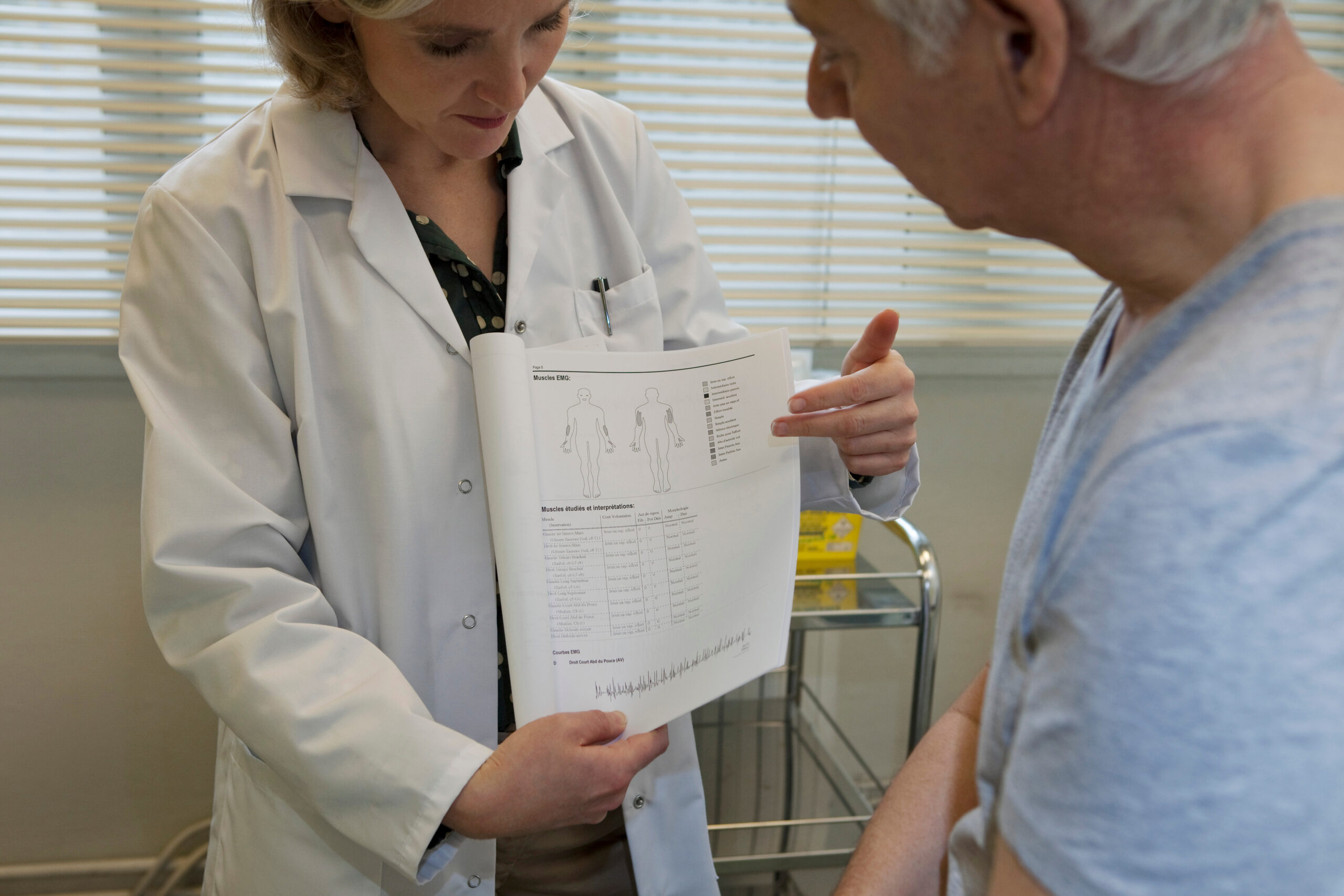
    • Reports should be concise, clinically relevant, and directly address the referral question.

Best Practices for Patient Comfort

  1. Communication
    • Explain each step to reduce anxiety.
  2. Preparation Guidance
    • Advise patients to avoid lotions/oils and wear loose clothing.
  3. Minimizing Discomfort
    • Use high-quality needles and ensure skilled technique to limit soreness.
  4. Efficient Testing
    • Most studies should be completed in 30–60 minutes.

Why It Matters
Accurate and patient-friendly EMG/NCS testing increases diagnostic confidence, improves referral relationships, and enhances patient trust in both the testing provider and the referring clinician.


Adhering to EMG/NCS best practices ensures accurate data and a positive patient experience. Partnering with board-certified specialists guarantees both.

Integrity Diagnostics delivers high-quality EMG/NCS testing with patient comfort and provider clarity at the forefront. Contact us to streamline your referrals.
Leave a Reply

Your email address will not be published. Required fields are marked *

Blogs

You May Also Like

We see that you are looking for help with NCS Testing, EMG Testing. Here are more blogs that you may find useful. Also, don’t forget to subscribe!

May 10, 2026
The Role of EMG/NCS in Workers’ Compensation and Occupational Medicine

Introduction In workers’ compensation and occupational medicine cases, objective data is essential. Symptoms like numbness, tingling, or weakness can be subjective, but EMG/NCS provides measurable evidence that supports accurate diagnosis, causation, and treatment planning. Key Applications in Work-Related Cases Case ExampleA warehouse worker reported hand weakness after years of repetitive lifting. MRI showed cervical spine […]

Worker's Comp Cases NCS Testing EMG Testing Diagnostic Testing
April 10, 2026
EMG vs. NCS: What’s the Difference and When Are Both Needed?

Introduction If your doctor has ordered an EMG (electromyography) and NCS (nerve conduction study), you may be wondering: Aren’t they the same thing? While they’re often done together, they measure different things—and using both provides the clearest picture of how your nerves and muscles are working. Nerve Conduction Study (NCS): Testing the Wiring Electromyography (EMG): […]

Diagnostic Testing NCS Testing EMG Testing
March 10, 2026
The Role of Electrodiagnostic Testing in Physical Therapy and Rehab

IntroductionPhysical therapy and rehabilitation rely heavily on accurate diagnosis. For patients with neuromuscular symptoms, EMG/NCS provides valuable insights that shape therapy plans, monitor progress, and guide return-to-function goals. Guiding Therapy Planning Monitoring Recovery Supporting Return-to-Function Why It MattersWithout EMG/NCS, therapy plans may be based solely on symptoms, which can be misleading. Electrodiagnostic testing adds objective […]

NCS Testing EMG Testing Diagnostic Testing