Patient FAQs: EMG and NCS Testing Explained

Patient FAQs: EMG and NCS Testing Explained

Introduction


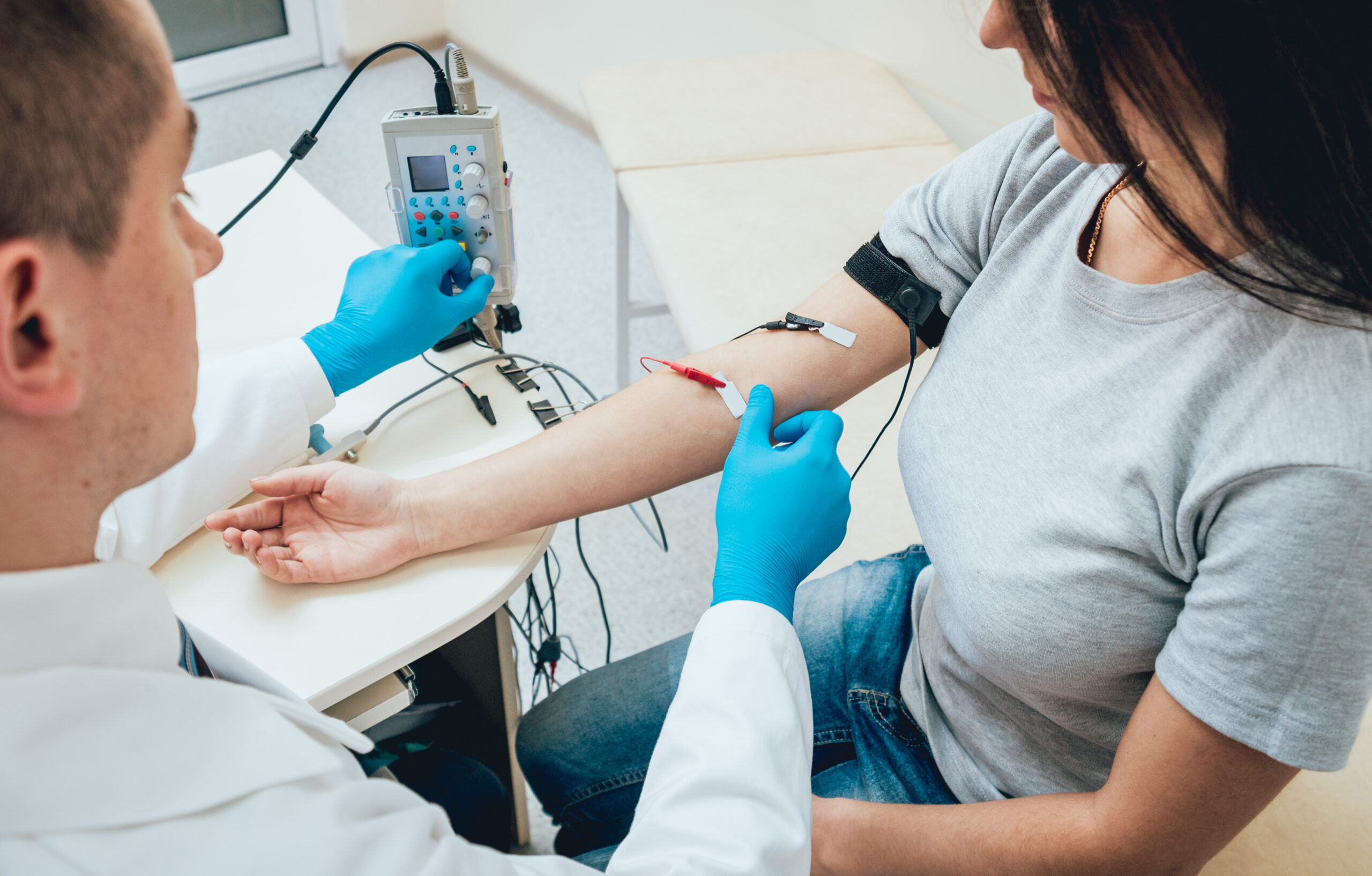
If your doctor has recommended an EMG (electromyography) or NCS (nerve conduction study), you probably have questions. Here are answers to the most common ones patients ask—so you can walk into your appointment feeling informed and confident.

Q: What do these tests actually do?

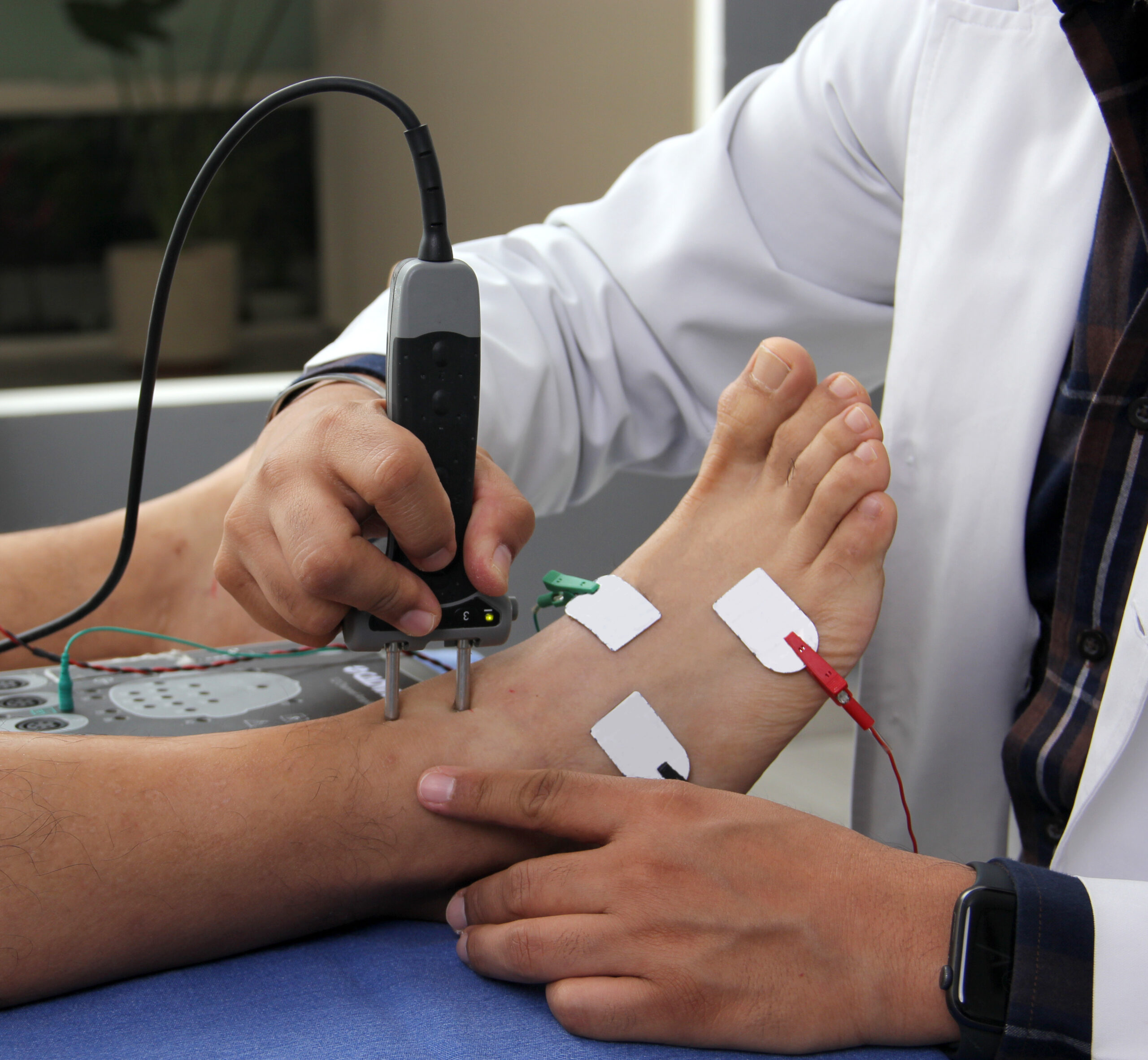
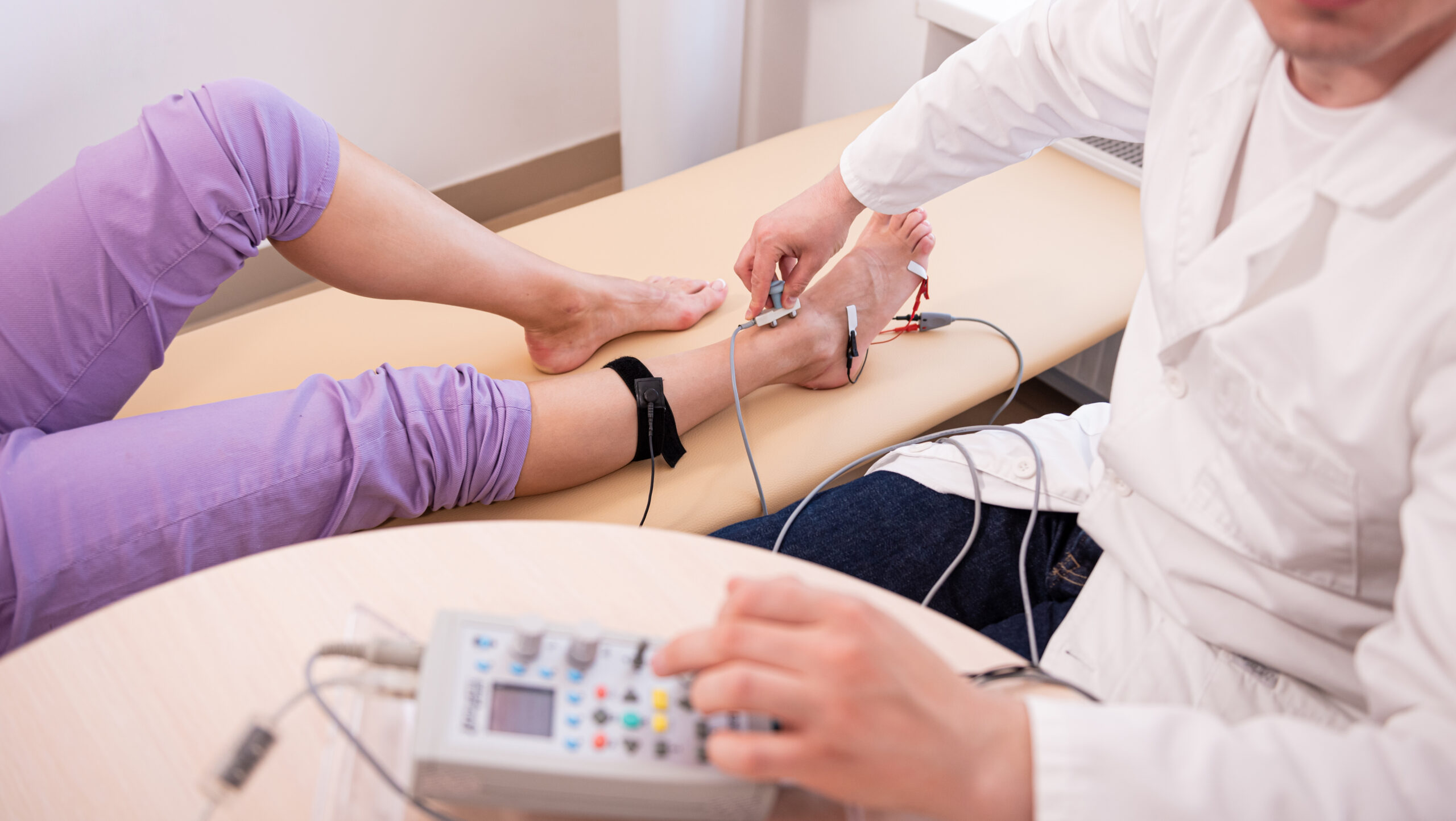
  • NCS: Measures how quickly and strongly your nerves send signals.
  • EMG: Measures how your muscles respond when your nerves tell them to move.

Q: Does it hurt?

  • Most patients describe the nerve conduction part as quick zaps (like static electricity).
  • The EMG involves a tiny needle in the muscle—similar to a quick pinch. It may feel achy but is usually well tolerated.

Q: How long does the test take?

  • Typically 30–60 minutes, depending on how many areas are being tested.

Q: Do I need to prepare?

  • Wear loose clothing.
  • Don’t use lotions or oils on your skin the day of the test.
  • Take your medications as usual unless your doctor says otherwise.

Q: Are there side effects?

  • You may have mild soreness where the needle was placed, but this usually goes away within a few hours.

Q: Why did my doctor order this test?

  • To determine whether your symptoms are from nerve damage, muscle disease, or both.
  • To diagnose conditions like carpal tunnel, neuropathy, or pinched nerves.


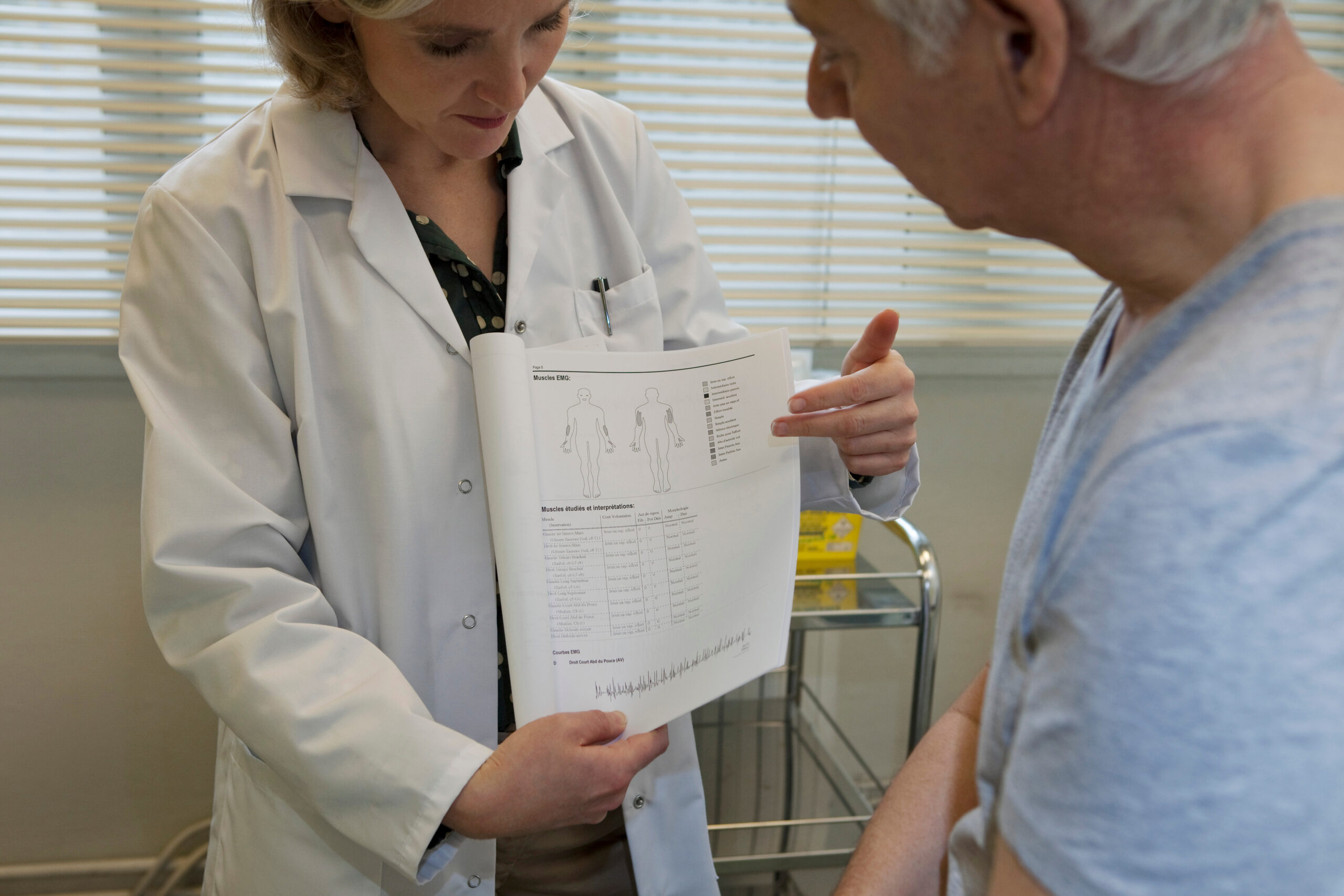
EMG/NCS testing is safe, quick, and provides unique answers that no other test can. The results help your doctor create the best treatment plan for you.

Have more questions? Contact Integrity Diagnostics and our specialists will be happy to walk you through the process.

Leave a Reply

Your email address will not be published. Required fields are marked *

Blogs

You May Also Like

We see that you are looking for help with NCS Testing, EMG Testing, Diagnostic Testing. Here are more blogs that you may find useful. Also, don’t forget to subscribe!

May 10, 2026
The Role of EMG/NCS in Workers’ Compensation and Occupational Medicine

Introduction In workers’ compensation and occupational medicine cases, objective data is essential. Symptoms like numbness, tingling, or weakness can be subjective, but EMG/NCS provides measurable evidence that supports accurate diagnosis, causation, and treatment planning. Key Applications in Work-Related Cases Case ExampleA warehouse worker reported hand weakness after years of repetitive lifting. MRI showed cervical spine […]

NCS Testing EMG Testing Diagnostic Testing Worker's Comp Cases
April 10, 2026
EMG vs. NCS: What’s the Difference and When Are Both Needed?

Introduction If your doctor has ordered an EMG (electromyography) and NCS (nerve conduction study), you may be wondering: Aren’t they the same thing? While they’re often done together, they measure different things—and using both provides the clearest picture of how your nerves and muscles are working. Nerve Conduction Study (NCS): Testing the Wiring Electromyography (EMG): […]

NCS Testing EMG Testing Diagnostic Testing
March 10, 2026
The Role of Electrodiagnostic Testing in Physical Therapy and Rehab

IntroductionPhysical therapy and rehabilitation rely heavily on accurate diagnosis. For patients with neuromuscular symptoms, EMG/NCS provides valuable insights that shape therapy plans, monitor progress, and guide return-to-function goals. Guiding Therapy Planning Monitoring Recovery Supporting Return-to-Function Why It MattersWithout EMG/NCS, therapy plans may be based solely on symptoms, which can be misleading. Electrodiagnostic testing adds objective […]

NCS Testing EMG Testing Diagnostic Testing