
Diagnosing Work-Related Radiculopathy With Detail For a Comprehensive Treatment Plan
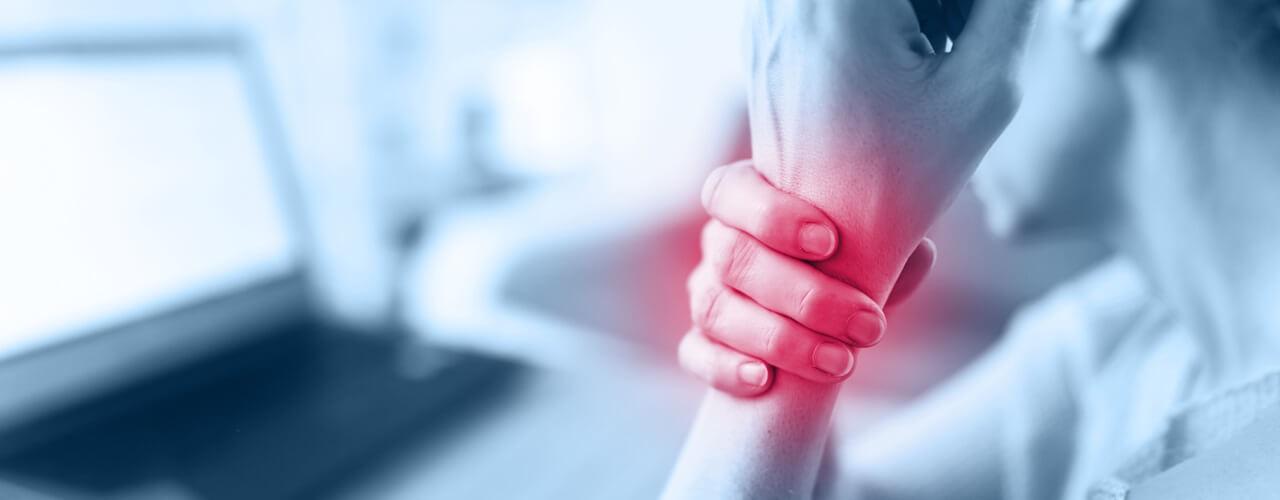
Radiculopathy is a common condition that perhaps isn’t as well-known as other workplace injuries of late. This nerve-related disorder arises when an irritated or pinched nerve in the spine triggers a range of symptoms like pain, numbness, tingling, and weakness along the affected nerve’s pathway. Many occupations involving repetitive motions and awkward postures can put workers at risk. Diagnosing work-related radiculopathy with accuracy is crucial, not only for securing appropriate treatment but also for navigating workers’ compensation claims. This case study delves into how Nerve Conduction Studies (NCS) testing plays a vital role in establishing the diagnosis, assessing nerve function, and ultimately facilitating successful management and return to work.
Ensure long-term recovery with NCS testing with Integrity Diagnostics for work-related radiculopathy.
Diagnosing Work-Related Radiculopathy With The Help of an NCS Test
A skilled electrician who had always prided herself on her meticulous work and attention to safety had never even heard the phrase “diagnosing work-related radiculopathy.” But, after years of repetitive motions and awkward postures while on the job, she noticed a persistent tingling and numbness in her right hand. At first, she dismissed it as a temporary annoyance, but as the weeks went by, the sensations intensified, accompanied by occasional clumsiness and weakness.
After discussing her symptoms with her doctor, she learned about the possibility of radiculopathy. Her doctor explained that electricians can be susceptible to this condition, with repetitive hand motions potentially contributing to nerve damage over time. She decided to file a worker’s compensation claim to determine if her condition was indeed related to her occupation.
Diagnosing Work-Related Radiculopathy
As part of her workers’ compensation evaluation, she underwent a detailed examination to establish the diagnosis of work-related radiculopathy and pinpoint the source of the problem. Her doctor ordered an X-ray and a nerve ultrasound to check for any obvious abnormalities within the structures of her hand and wrist. While these studies were useful to rule out certain issues, they couldn’t fully assess the function of the nerves that were causing her distress.
To gain more clarity, her doctor suggested undergoing Nerve Conduction Studies (NCS). NCS testing is particularly important for diagnosing work-related radiculopathy because it directly measures the speed and strength of electrical signals traveling along nerves. This information can help doctors pinpoint the exact location of nerve damage and assess its severity.
The NCS Experience
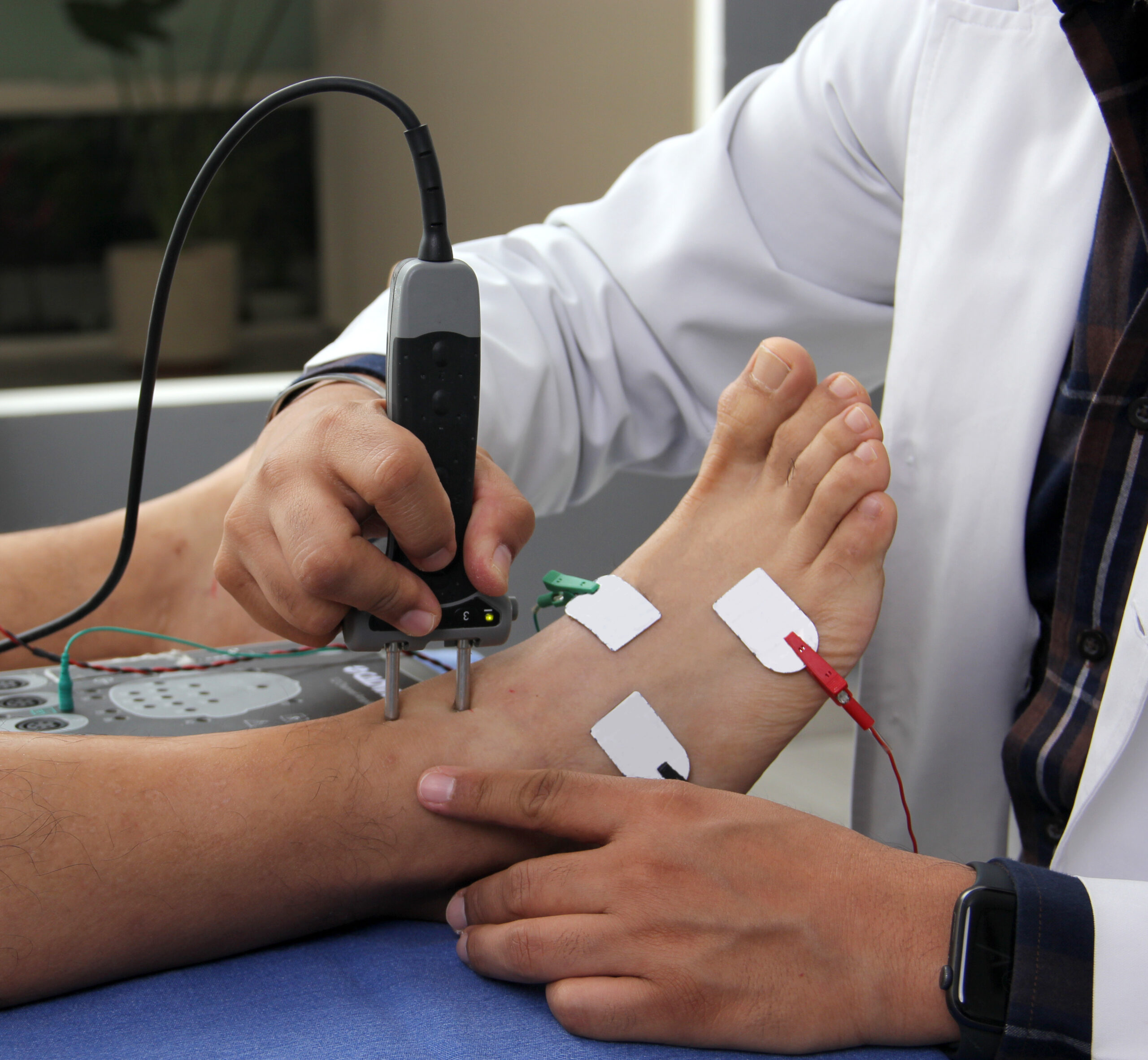
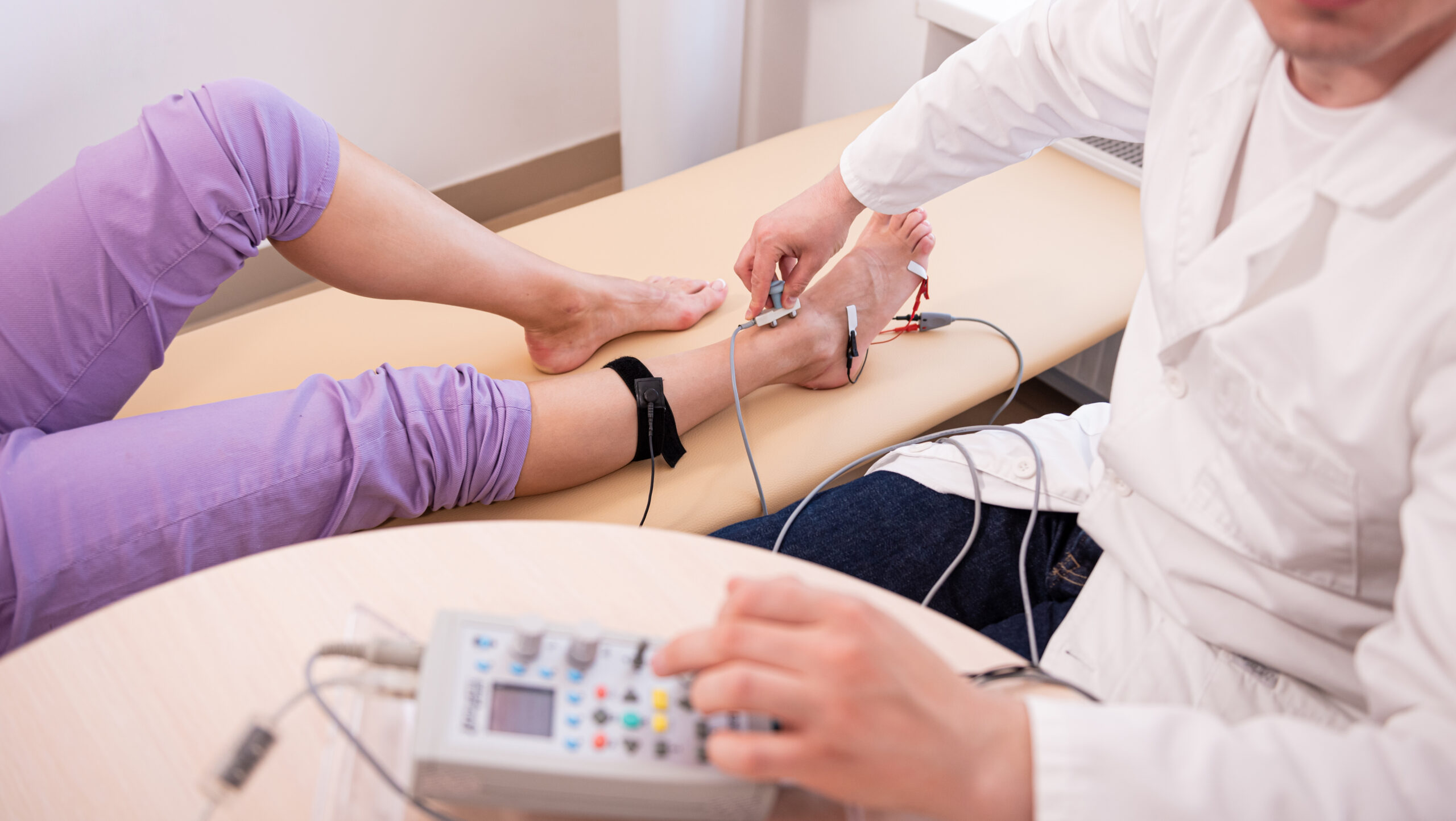
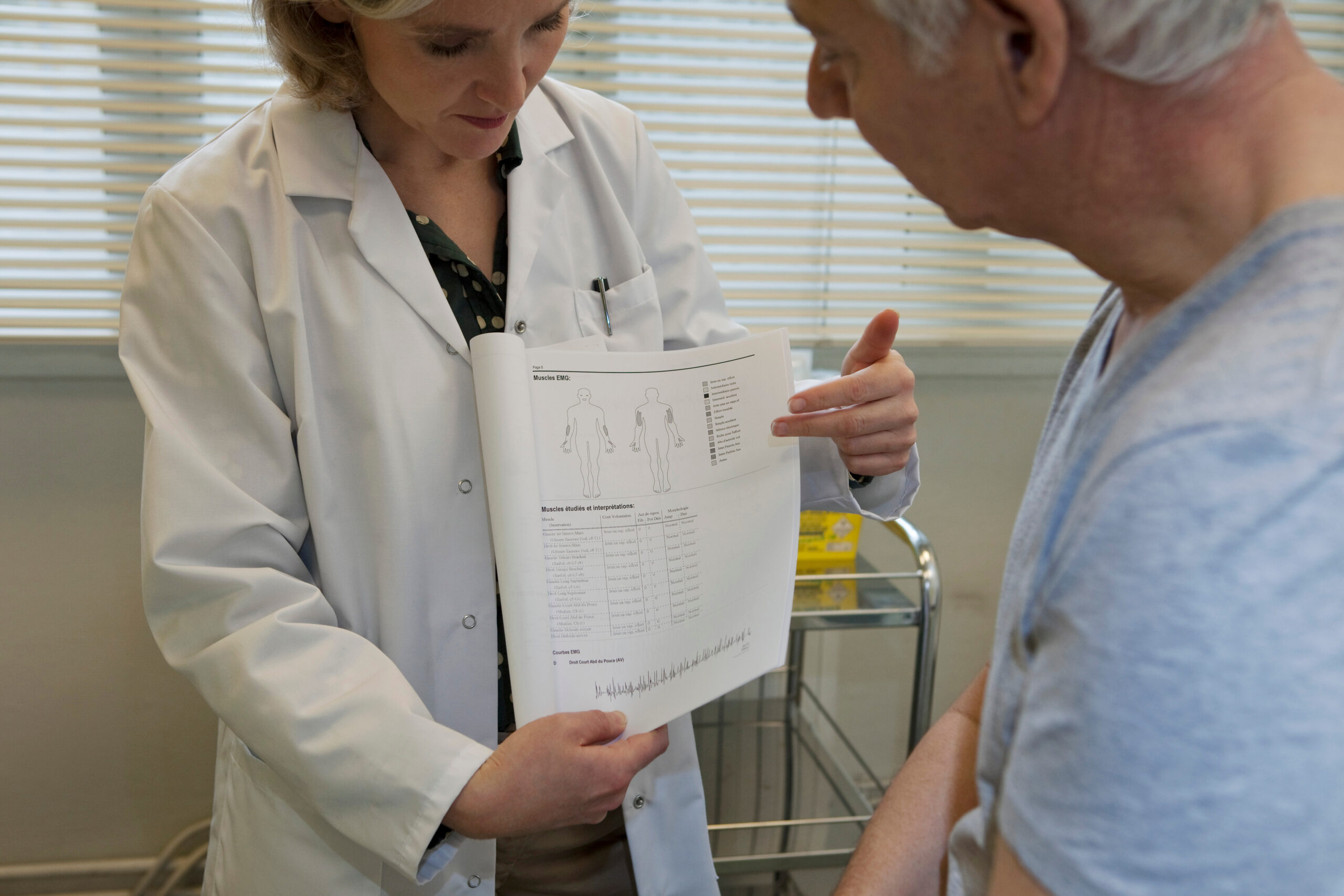
She was slightly apprehensive about the NCS test, but the technician explained the procedure. Electrodes were carefully placed on her skin, focusing on the areas supplied by the affected nerves in her hand and arm. The NCS confirmed the presence of radiculopathy and also indicated that the nerve compression was not in her wrist, as initially suspected, but higher up in her neck. The test findings provided objective evidence of a work-related injury affecting her ability to work, further supporting her workers’ compensation claim.
Return to Work
Her doctors worked closely with her and her employer to create a gradual return-to-work plan. She began with modified duties, avoiding tasks that involved prolonged overhead work or sustained gripping. Her employer was supportive, providing her with ergonomic tools and adjusting her schedule to help reduce strain.
NCS testing played a pivotal role in diagnosing work-related radiculopathy by guiding effective treatment and work modifications. Her diligence, combined with appropriate care and collaborative support, eventually led to a successful return to her work as an electrician.
Diagnostic Testing And More With Integrity Diagnostics
NCS testing is a reliable and effective diagnostic tool to enable accurate determination of workers’ compensation cases. Contact us today for more information about this important tool and how it can help minimize the long-term consequences of radiculopathy.
Leave a Reply