
EMG/NCS in Detecting Peripheral Neuropathy: Early Warning Signs

EMG/NCS in Detecting Peripheral Neuropathy: Early Warning Signs

,

Introduction
Peripheral neuropathy affects millions of patients, often presenting as numbness, tingling, burning pain, or weakness. With causes ranging from diabetes to chemotherapy, early detection is critical. EMG/NCS remains one of the most effective diagnostic tools for identifying neuropathy before significant disability occurs.

Why EMG/NCS?
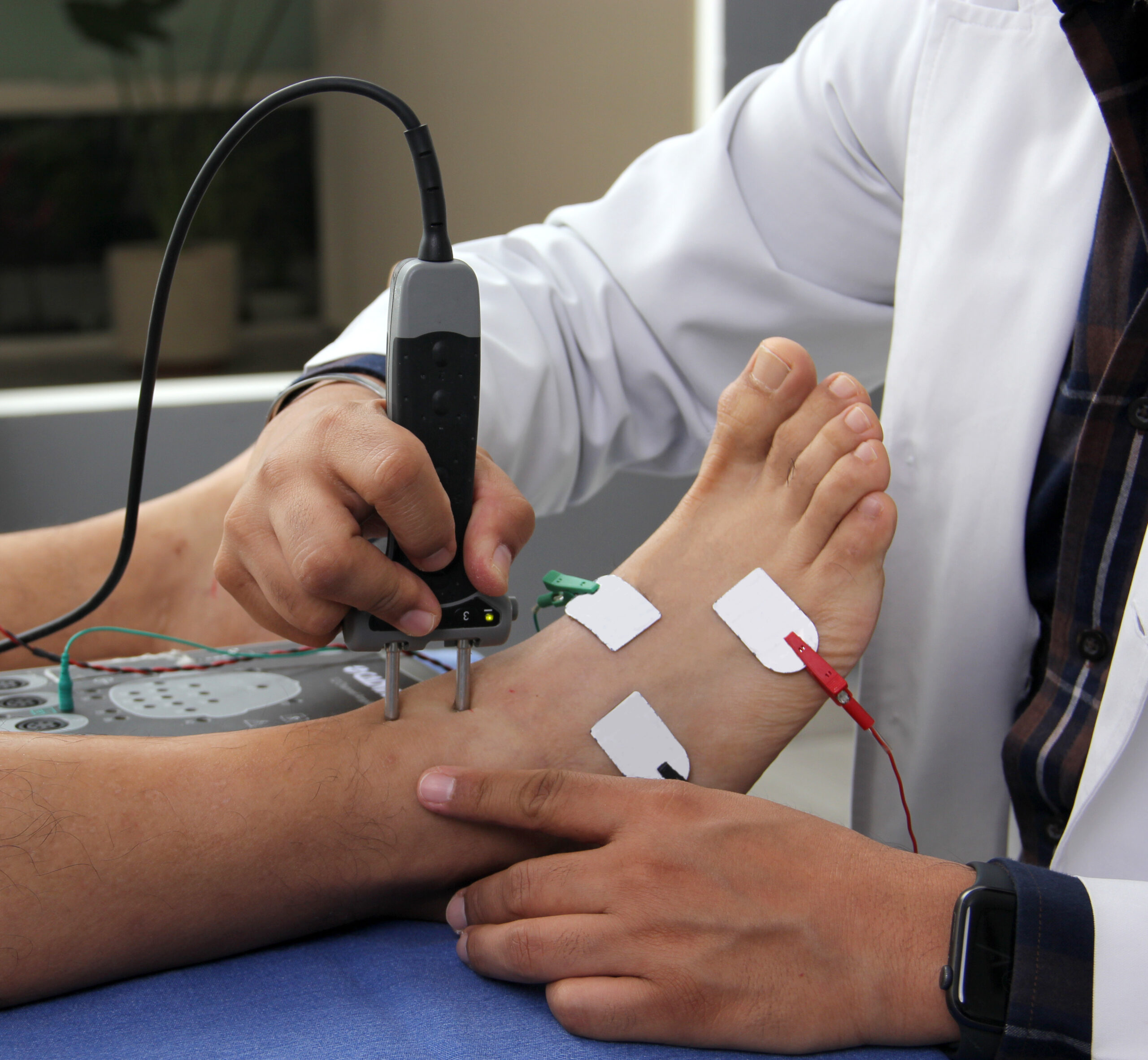
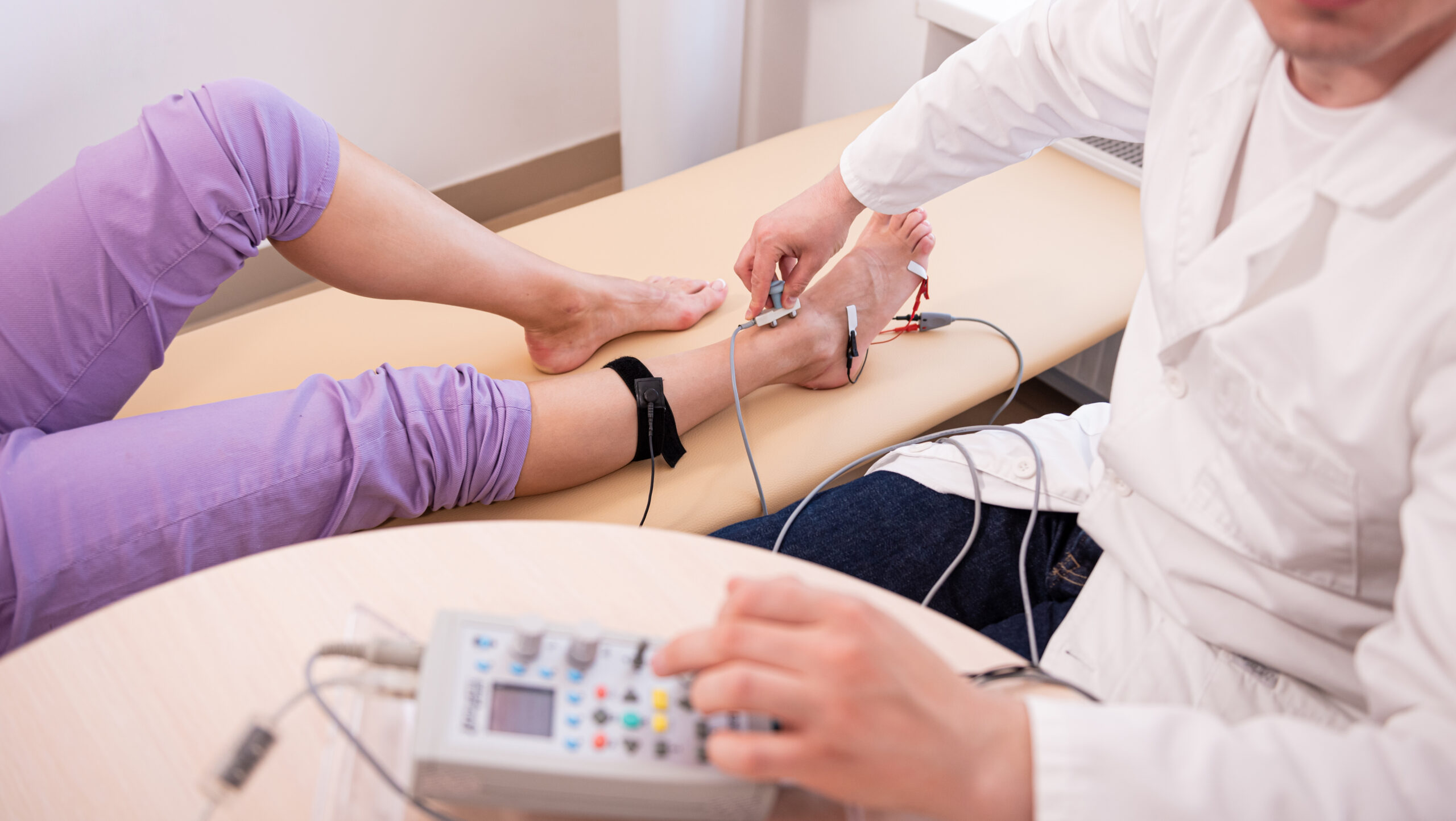
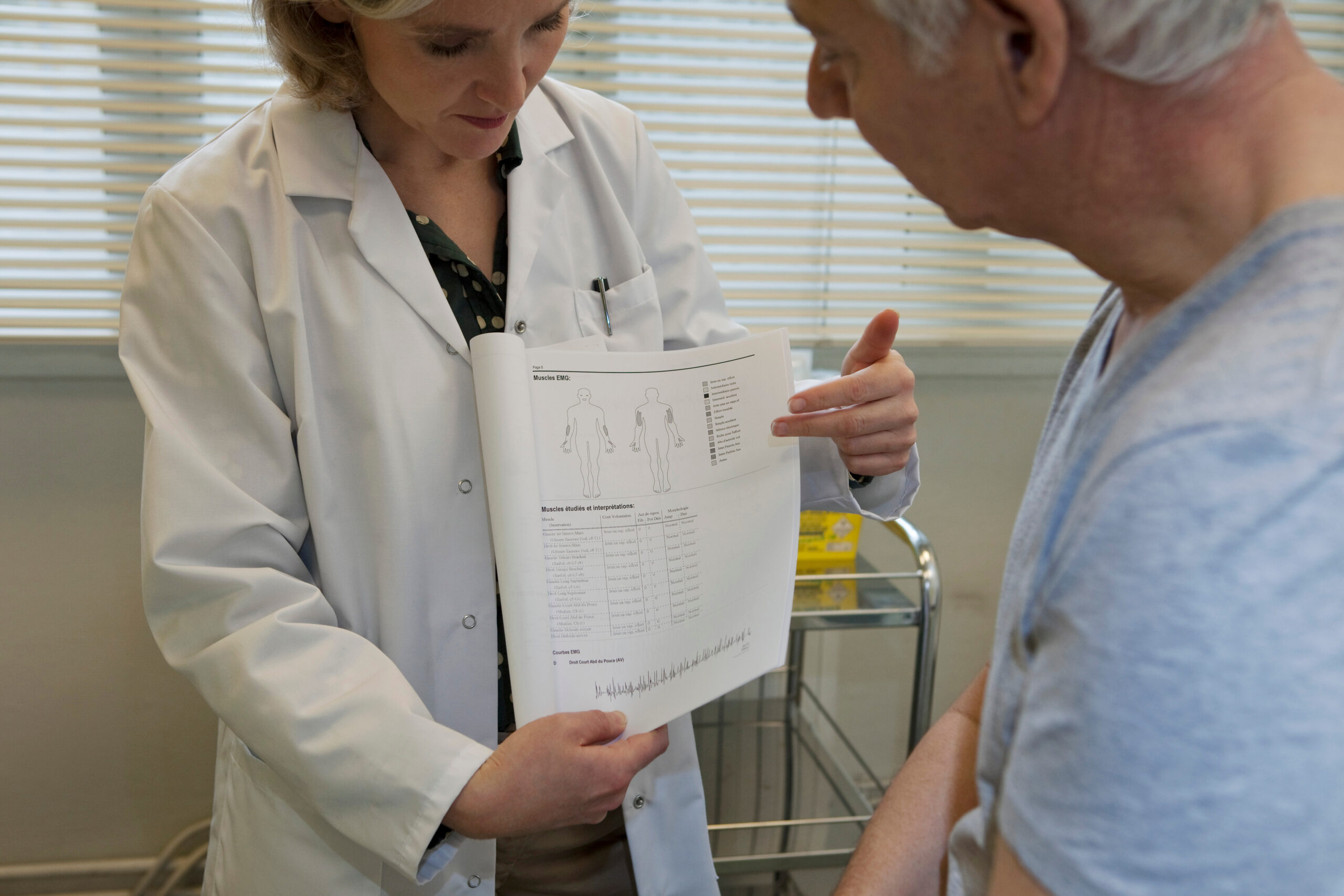
While labs and imaging can rule out metabolic or structural causes, EMG/NCS uniquely evaluates nerve function. It determines:

  • Type of nerve involvement: sensory, motor, or mixed.
  • Pathophysiology: axonal loss vs. demyelination.
  • Severity and chronicity: acute vs. chronic changes.

Early Warning Signs That Warrant EMG/NCS

  1. Distal symmetric symptoms — burning, tingling, or numbness in a stocking-glove distribution.
  2. Unexplained weakness — particularly in foot dorsiflexion (peroneal involvement) or grip strength.
  3. Disproportionate pain — pain levels exceeding what clinical exam suggests.
  4. Gait instability or frequent falls — possible motor fiber involvement.

Common Clinical Scenarios

  • Diabetic Neuropathy: Detects subclinical conduction slowing before patients lose protective sensation.
  • Chemotherapy-Induced Neuropathy: Assists oncologists in treatment planning and drug adjustment.
  • Vitamin Deficiency Neuropathy: Confirms diagnosis and supports supplementation treatment plans.

Clinical Value

  • Differentiates neuropathy from radiculopathy or myopathy.
  • Supports disability assessments and return-to-work evaluations.
  • Provides objective baseline for monitoring progression or recovery.

Early referral for EMG/NCS testing allows providers to detect neuropathy before irreversible complications occur. This not only improves patient quality of life but also reduces downstream healthcare costs.Integrity Diagnostics provides comprehensive EMG/NCS testing with rapid turnaround to support your diagnostic accuracy. Contact us to streamline referrals for your patients with neuropathy symptoms.
Leave a Reply

Your email address will not be published. Required fields are marked *

Blogs

You May Also Like

We see that you are looking for help with NCS Testing, EMG Testing. Here are more blogs that you may find useful. Also, don’t forget to subscribe!

May 10, 2026
The Role of EMG/NCS in Workers’ Compensation and Occupational Medicine

Introduction In workers’ compensation and occupational medicine cases, objective data is essential. Symptoms like numbness, tingling, or weakness can be subjective, but EMG/NCS provides measurable evidence that supports accurate diagnosis, causation, and treatment planning. Key Applications in Work-Related Cases Case ExampleA warehouse worker reported hand weakness after years of repetitive lifting. MRI showed cervical spine […]

Diagnostic Testing Worker's Comp Cases NCS Testing EMG Testing
April 10, 2026
EMG vs. NCS: What’s the Difference and When Are Both Needed?

Introduction If your doctor has ordered an EMG (electromyography) and NCS (nerve conduction study), you may be wondering: Aren’t they the same thing? While they’re often done together, they measure different things—and using both provides the clearest picture of how your nerves and muscles are working. Nerve Conduction Study (NCS): Testing the Wiring Electromyography (EMG): […]

NCS Testing EMG Testing Diagnostic Testing
March 10, 2026
The Role of Electrodiagnostic Testing in Physical Therapy and Rehab

IntroductionPhysical therapy and rehabilitation rely heavily on accurate diagnosis. For patients with neuromuscular symptoms, EMG/NCS provides valuable insights that shape therapy plans, monitor progress, and guide return-to-function goals. Guiding Therapy Planning Monitoring Recovery Supporting Return-to-Function Why It MattersWithout EMG/NCS, therapy plans may be based solely on symptoms, which can be misleading. Electrodiagnostic testing adds objective […]

Diagnostic Testing NCS Testing EMG Testing