

Do you want to know how effective NCS testing for carpal tunnel syndrome can be? Consider Andrea’s story:
Several months ago, Andrea noticed an odd tingling in her fingers every morning when she woke up. At first, she paid it no mind, assuming she must have slept on her hand. But after a few months, the tingling lasted well into Andrea’s day, making it hard for her to perform her job as a personal assistant.
Typing became much more difficult, as the tingling and numbness often turned to a burning sensation when Andrea used her fingers. Sometimes, she could barely hold a cell phone, much less text or scroll, and she began dropping objects more frequently. Her grip strength seemed to have diminished completely.
As someone familiar with worker’s compensation cases, you’ve likely already guessed that Andrea had developed carpal tunnel syndrome. Furthermore, if you assumed her condition developed at work, you’d be correct: Her job required long hours on both the computer and her employer’s cell phone, where she managed his calls, emails, and social media accounts.
It is common for people to develop carpal tunnel syndrome on the job, as Andrea did. However, the condition can be difficult to diagnose–and even more difficult to prove as workplace-related. Fortunately, a nerve conduction study (NCS) at Integrity Diagnostics can provide you with the hard data you need.
At our SAVANNAH locations, we do one thing: perform diagnostic tests. That means we do so quickly and accurately, with flexible scheduling and lightning-fast turnaround times. If you have a client like Andrea, call us to learn more about NCS testing for carpal tunnel syndrome.
Understanding Carpal Tunnel Syndrome
Your carpal tunnel is a passageway that runs along the palm side of your wrist. Threaded through that passageway is the median nerve, which provides sensation and helps you move your forearm, wrist, hand, and fingers, and a bundle of tendons that help you bend your fingers.
Sometimes, the carpal tunnel can collapse around those nerves and tendons. Other times, the nerves and tendons may swell in the space. Either situation will wind up putting pressure on the nerve, leading to the classic carpal tunnel syndrome symptoms:
- Numbness or tingling in the hand and wrist
- Burning pain in the hand and wrist
- Hand weakness
- “Shaking out” the hand to relieve symptoms
But what causes the nerve to swell or the tunnel to collapse in the first place? The short answer is injury, especially repetitive use injuries, which occur due to accumulated microtraumas over time.
Carpal tunnel syndrome is incredibly common in any profession that requires constant hand use. It’s actually most common in assembly line work or among workers who use hand tools (especially vibrating hand tools). However, office workers like Andrea are also at high risk, as frequent use of computer keyboards and handheld devices can lead to carpal tunnel syndrome.
Although the condition is a common workplace injury, it can be challenging to prove as such. Firstly, several hobbies can cause the same microtrauma as assembly work or typing (such as video games, sewing, or racquet sports). Secondly, certain health conditions, like diabetes or thyroid imbalances, can contribute to carpal tunnel syndrome.
That’s why it’s important to gather as much data as possible for carpal tunnel syndrome. A firm diagnosis is the first crucial step–and NCS testing at Integrity Diagnostics will help you get it!
Understanding NCS Testing and How It Relates to Carpal Tunnel Syndrome
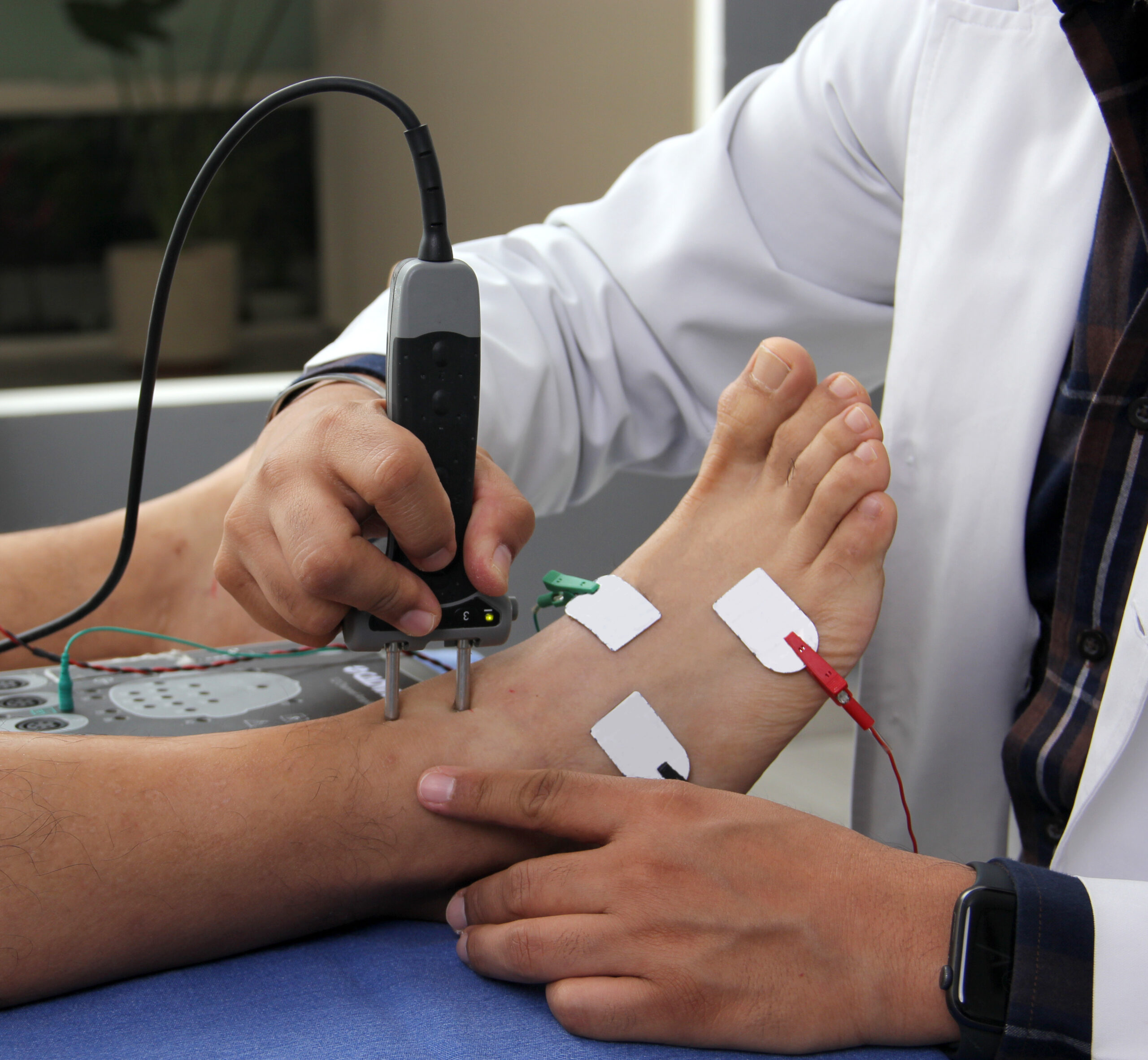
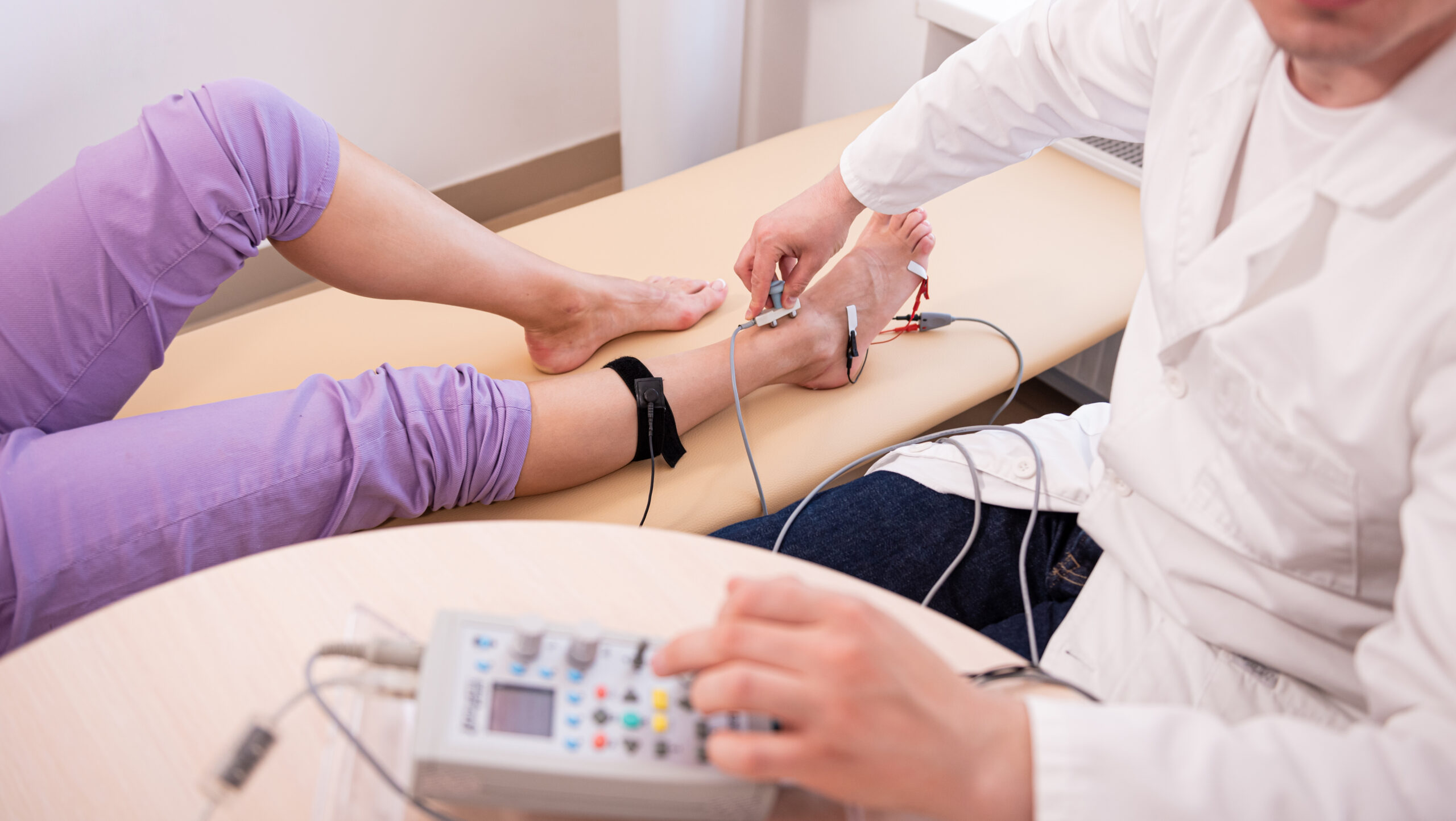
An NCS is a quick, simple test that measures the speed of electrical activity in the body’s nerves. It involves placing two electrodes on the wrist and hand. One electrode is the stimulating electrode and will send a mild electric current into the nerve. The other electrode is the recording electrode and will measure how quickly that pulse reaches it.
Any blockage or slowing down on the path between the stimulating and recording electrodes can indicate a nerve problem, including carpal tunnel syndrome. When the nerves are not receiving the necessary signals, it leads to numbness, weakness, and pain.
We can also perform an EMG (electromyography) test, which measures the electrical activity in the surrounding muscles. Both tests are crucial in diagnosing carpal tunnel syndrome. If we perform both tests, your client can expect to be at our clinic for about an hour.
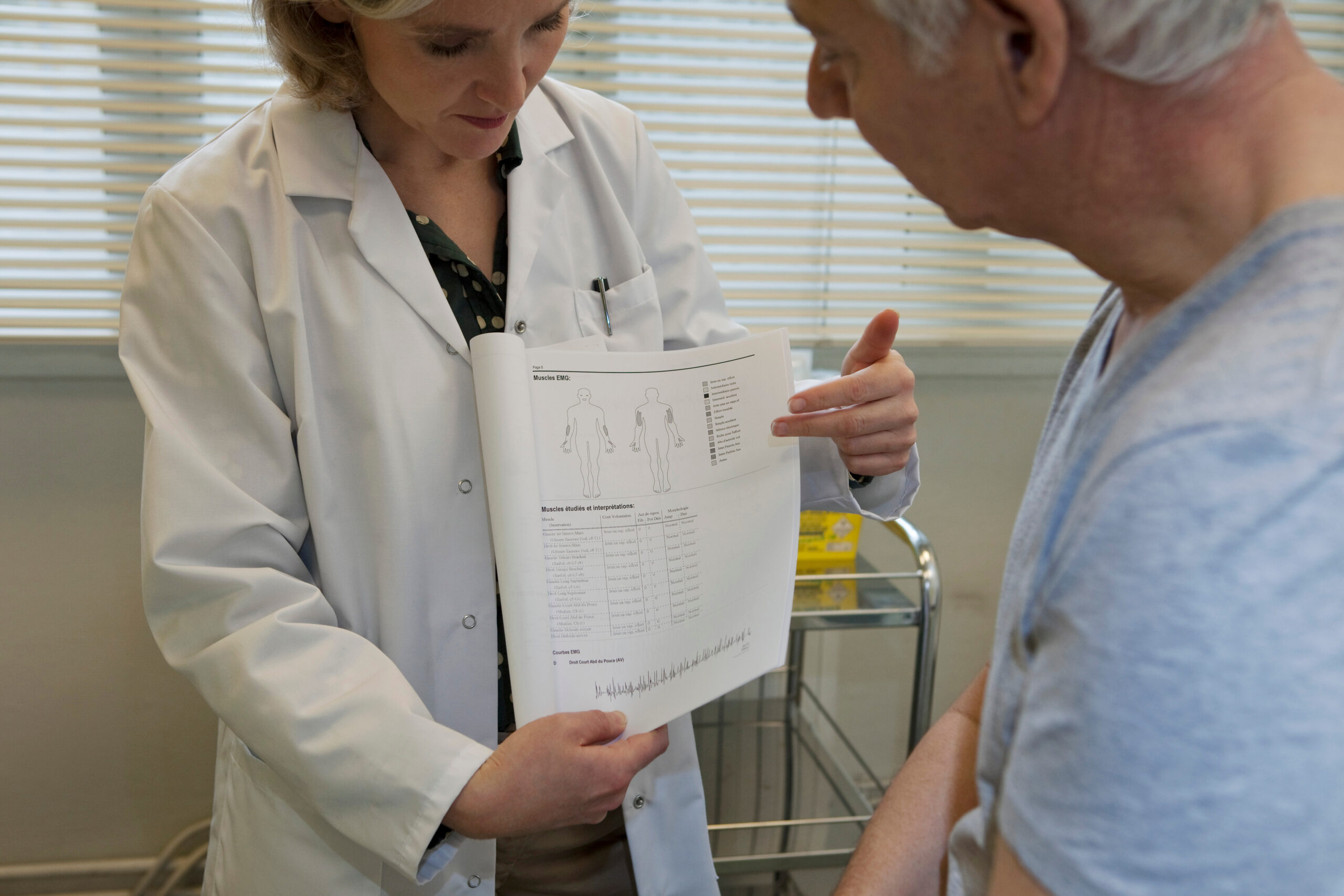
When we’ve completed the test, we’ll prepare a detailed report for both you and your client’s diagnosing physician within 24-48 hours–and we always strive for a 24-hour turnaround whenever possible. The report will contain the following information:
- Any findings from the physical examination
- NCS narrative report
- Our interpretation of the exam’s findings
- All data and measurements from the exam
While NCS testing is crucial in the diagnostic process, especially for worker’s compensation claims, it will continue to be useful for your client as they treat their condition. Regular NCS/EMG testing will let your client know whether noninvasive treatment options, such as physical therapy, are working as expected–or if they’ll need to consider surgery.
Send Your Client to Integrity Diagnostics Today!
If you’re working with a client with carpal tunnel syndrome, request a referral on our site today! With several locations around (state), we’ll schedule your client as quickly as possible–and get you and their doctor the results even faster.


Leave a Reply