

Chronic cervical radiculopathy is a persistent and often debilitating condition characterized by the long-term compression or irritation of nerve roots in the cervical spine, resulting in symptoms such as persistent neck pain, radiating shoulder pain, and sensory or motor deficits in the upper extremities. Electromyography (EMG) serves as an essential diagnostic tool in evaluating the presence and severity of chronic cervical radiculopathy, providing unique insights into the underlying nerve dysfunction. Understanding some of the distinctive EMG findings associated with chronic cervical radiculopathy can significantly aid in the accurate diagnosis and targeted management of this challenging condition.
Distinctive EMG Findings in Chronic Cervical Radiculopathy
1. Chronic Denervation Changes: One of the key EMG findings in chronic cervical radiculopathy is the presence of chronic denervation changes in the affected muscles, including the presence of fibrillation potentials, positive sharp waves, and increased insertional activity. These chronic changes reflect long-term nerve damage and ongoing muscle fiber denervation, indicating the chronic nature of the radiculopathy.
2. Complex Motor Unit Action Potentials (MUAPs): EMG testing often reveals complex motor unit action potentials (MUAPs) in the muscles supplied by the affected nerve roots. These complex MUAPs indicate chronic neurogenic changes, including increased polyphasic potentials and decreased recruitment patterns, highlighting the chronicity and severity of the cervical radiculopathy.
3. Reduced Recruitment Patterns: In cases of chronic cervical radiculopathy, EMG may demonstrate further reduced recruitment patterns in the muscles innervated by the affected nerve roots. This reduction in the recruitment of motor units manifests as decreased amplitude and duration of the recorded potentials, indicating continued impairment of motor unit activation and persistent muscle fiber dysfunction. Such findings emphasize the chronic nature of the nerve root involvement.
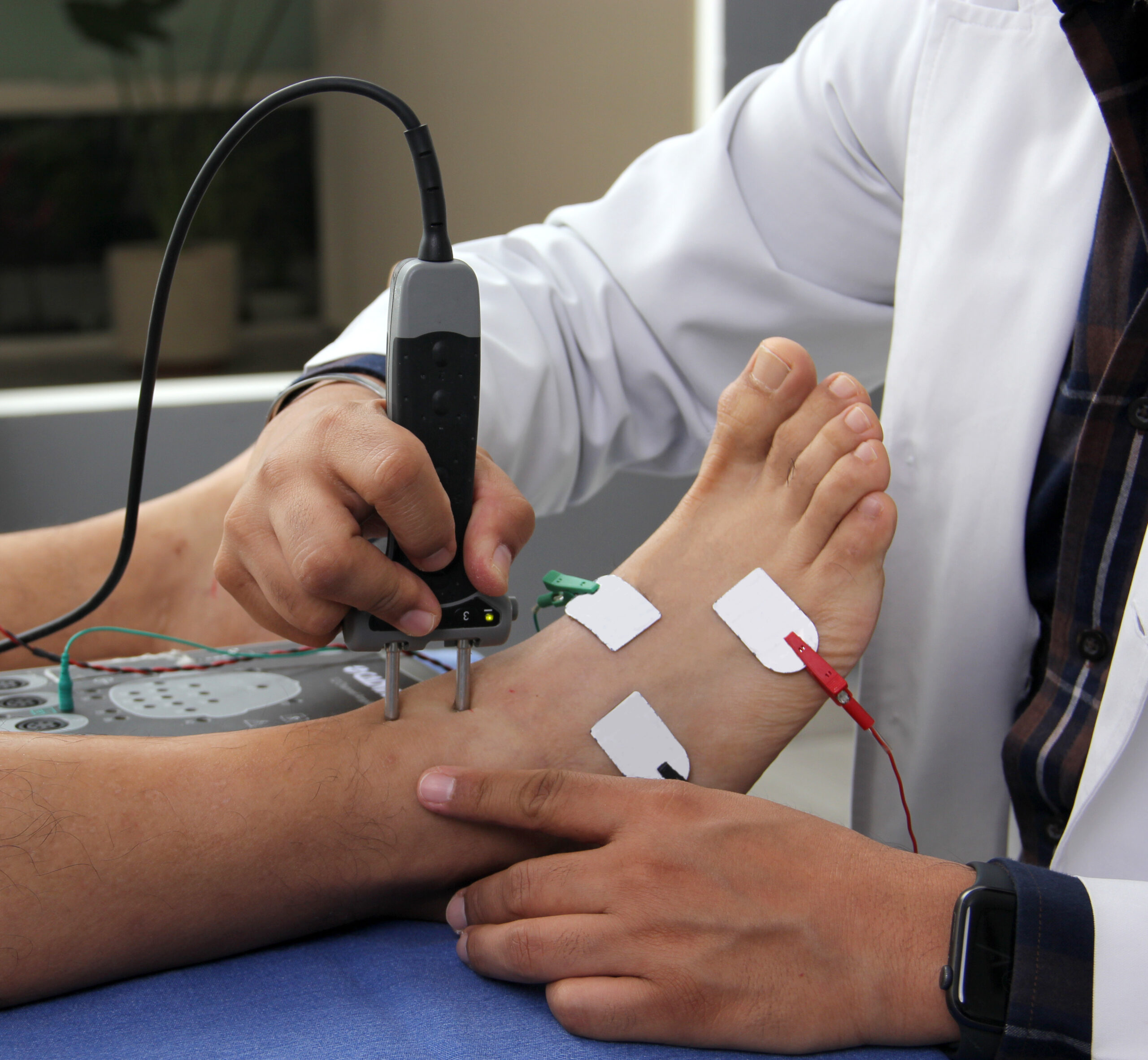
4. Nerve Conduction Studies (NCS): Complementing EMG, nerve conduction studies (NCS) can evaluate the integrity and function of the peripheral nerves, providing additional insights into the chronicity and extent of nerve damage associated with cervical radiculopathy. Prolonged latencies and reduced conduction velocities further support the diagnosis of chronic nerve root pathology, contributing to a comprehensive assessment of chronic cervical radiculopathy.
Clinical Implications and Treatment Strategies
The recognition of these unique EMG findings associated with chronic cervical radiculopathy holds significant clinical implications for accurate diagnosis and targeted management. By incorporating these findings into clinical practice, healthcare professionals can devise tailored treatment strategies, including a combination of long-term pain management, physical therapy, and lifestyle modifications. In cases of persistent symptoms, surgical interventions, such as cervical decompression and fusion, may be considered to alleviate chronic nerve root compression and restore optimal neurological function.
In conclusion, understanding the distinctive EMG findings indicative of chronic cervical radiculopathy plays a pivotal role in facilitating accurate diagnosis and effective management of this persistent condition. By leveraging the insights provided by EMG testing, healthcare professionals can provide comprehensive care and support, thereby enhancing the quality of life and functional well-being of individuals affected by chronic cervical radiculopathy.
If you suspect that you or someone you know may be experiencing symptoms of chronic cervical radiculopathy, consult a qualified healthcare professional for a comprehensive evaluation and guidance on the most appropriate diagnostic and treatment options.




Leave a Reply