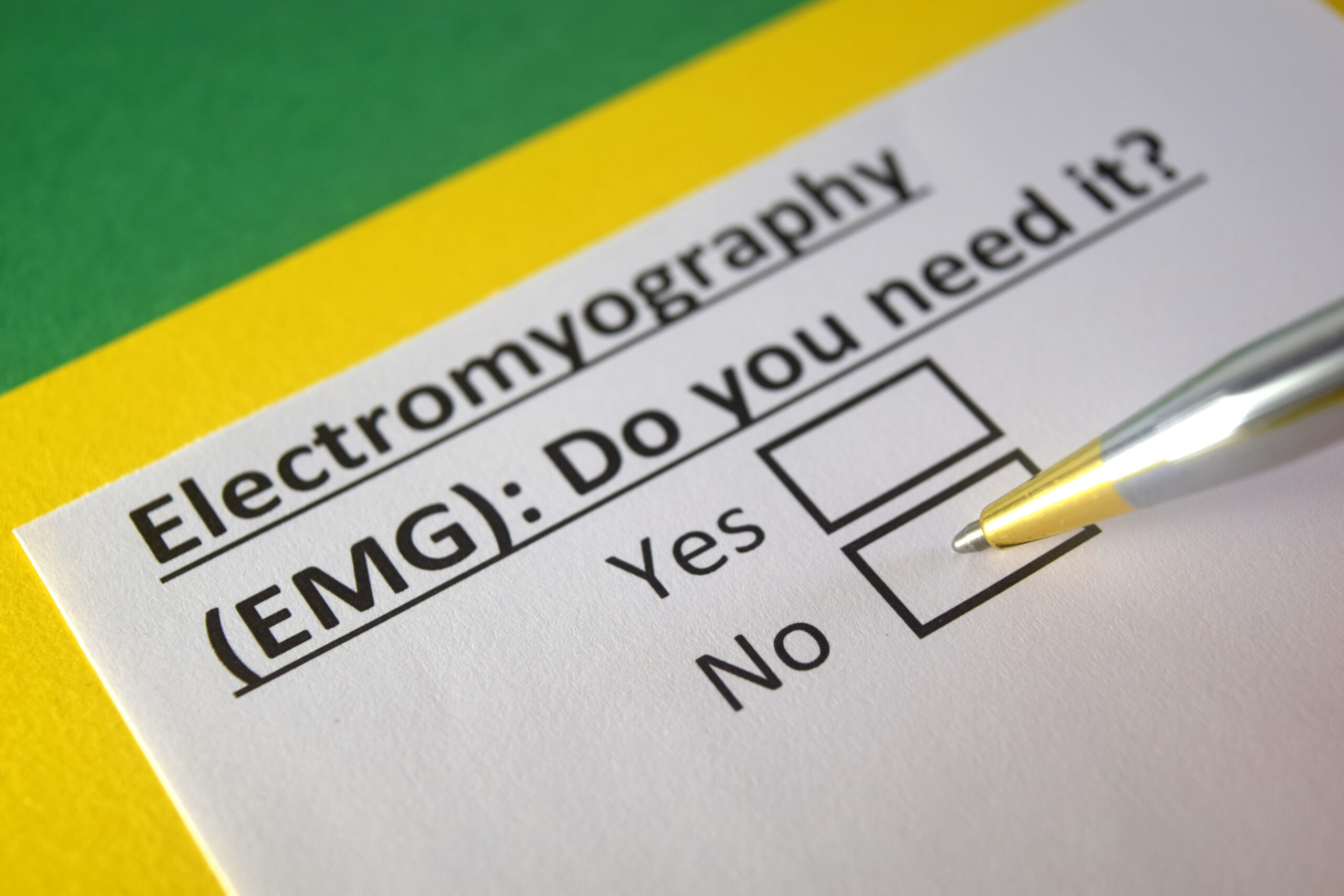
Top 5 Myths About EMG and NCS Testing (and the Truth Behind Them)

Top 5 Myths About EMG and NCS Testing (and the Truth Behind Them)

,

Introduction
If your doctor has ordered an EMG (electromyography) or NCS (nerve conduction study), you might be feeling anxious. A lot of that worry comes from common myths about these tests. Let’s bust the top five misconceptions so you know exactly what to expect.

Myth #1: “It’s going to be really painful.”

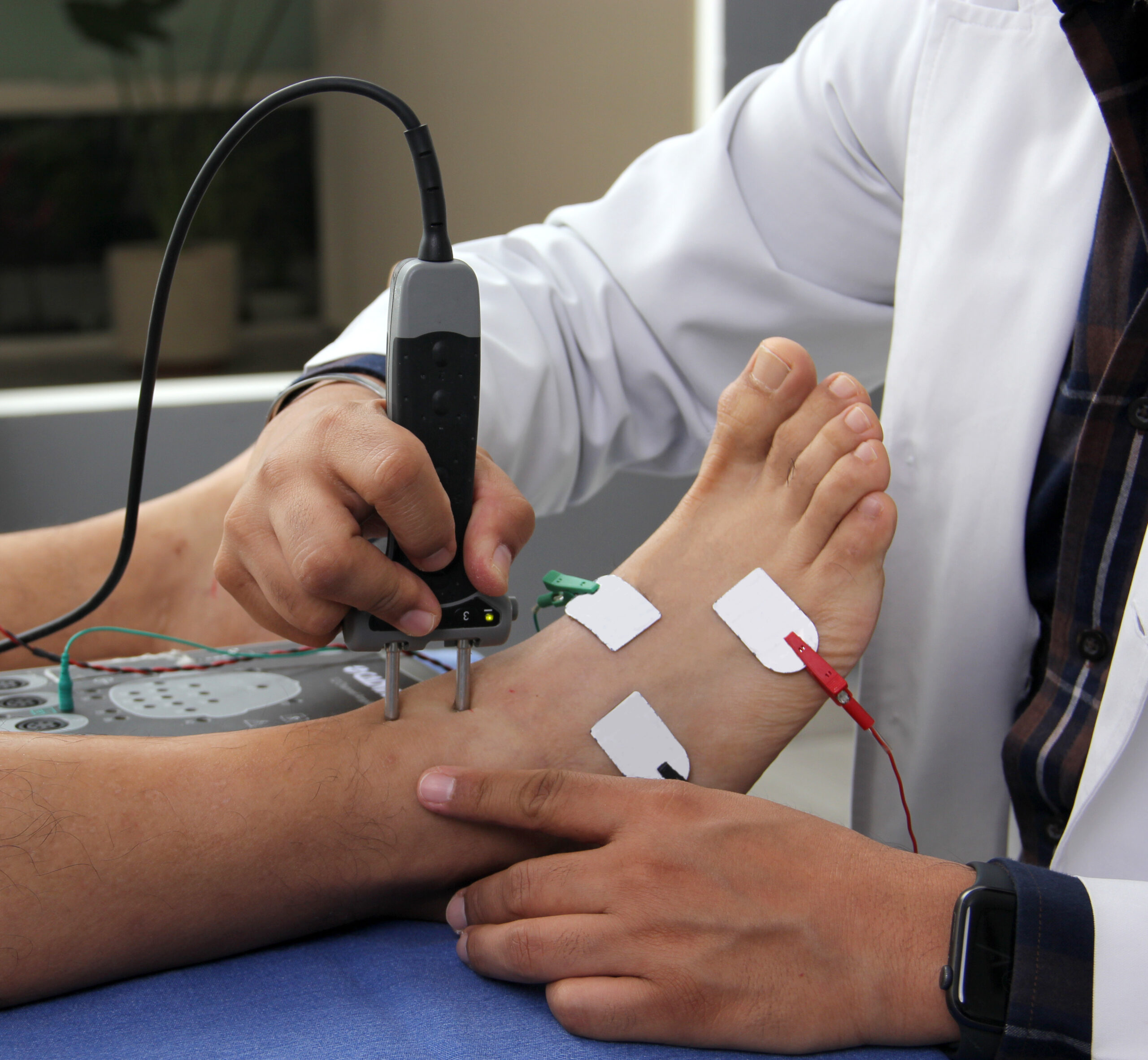
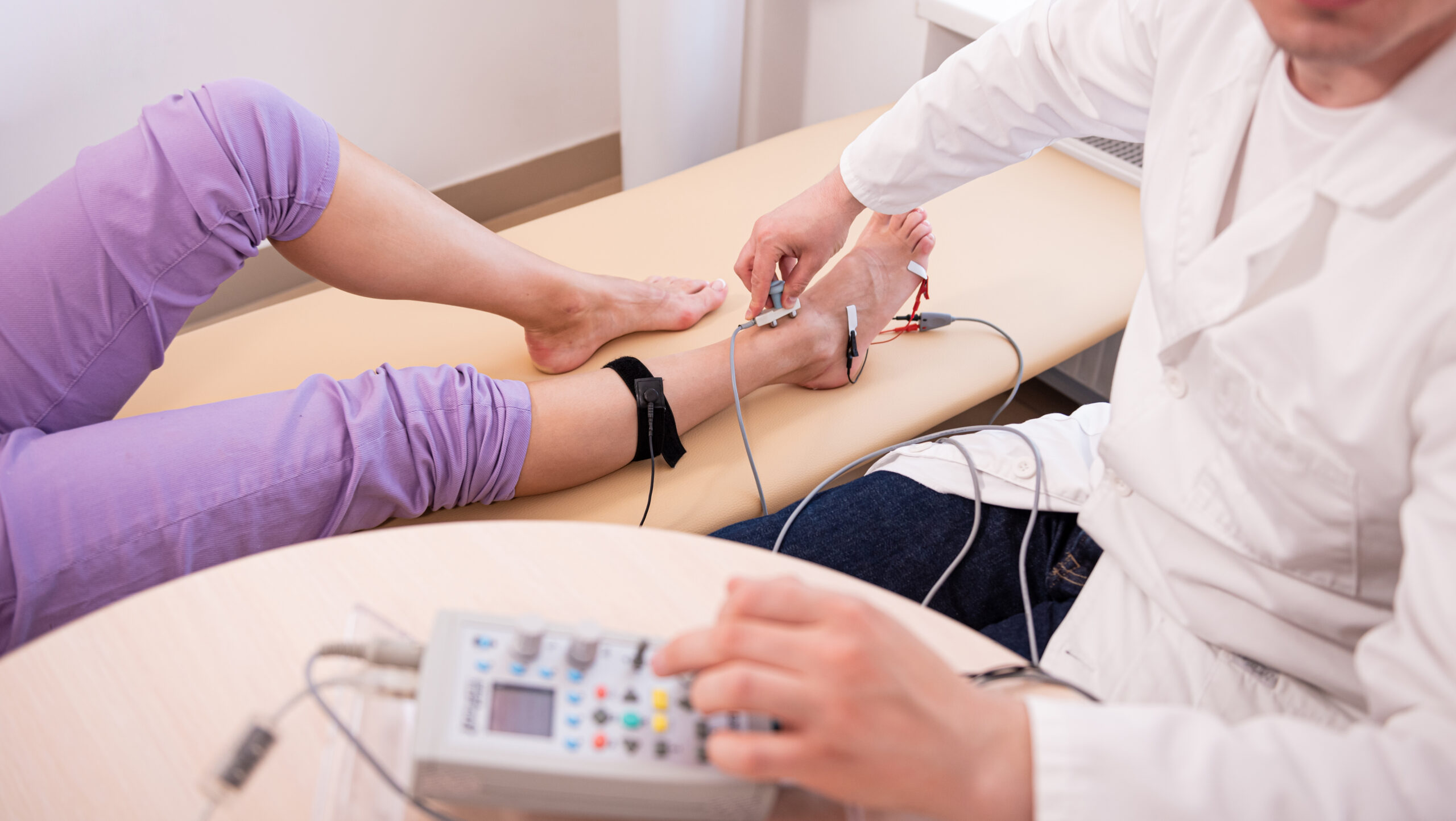
  • Truth: Most patients describe EMG/NCS as mildly uncomfortable, not painful. The needles are very small, and the nerve pulses feel like quick zaps—like static electricity.

Myth #2: “I’ll be sore for days afterward.”

  • Truth: At most, you may have mild soreness for a few hours in the muscles tested. There are no lasting side effects.

Myth #3: “It’s the same as surgery or an MRI.”

  • Truth: EMG/NCS is a diagnostic test, not a procedure or surgery. There’s no anesthesia, no cutting, and no radiation.

Myth #4: “The test can damage my nerves or muscles.”

  • Truth: EMG/NCS is very safe. The tiny needles and mild pulses do not cause permanent harm.

Myth #5: “It won’t really help my doctor.”

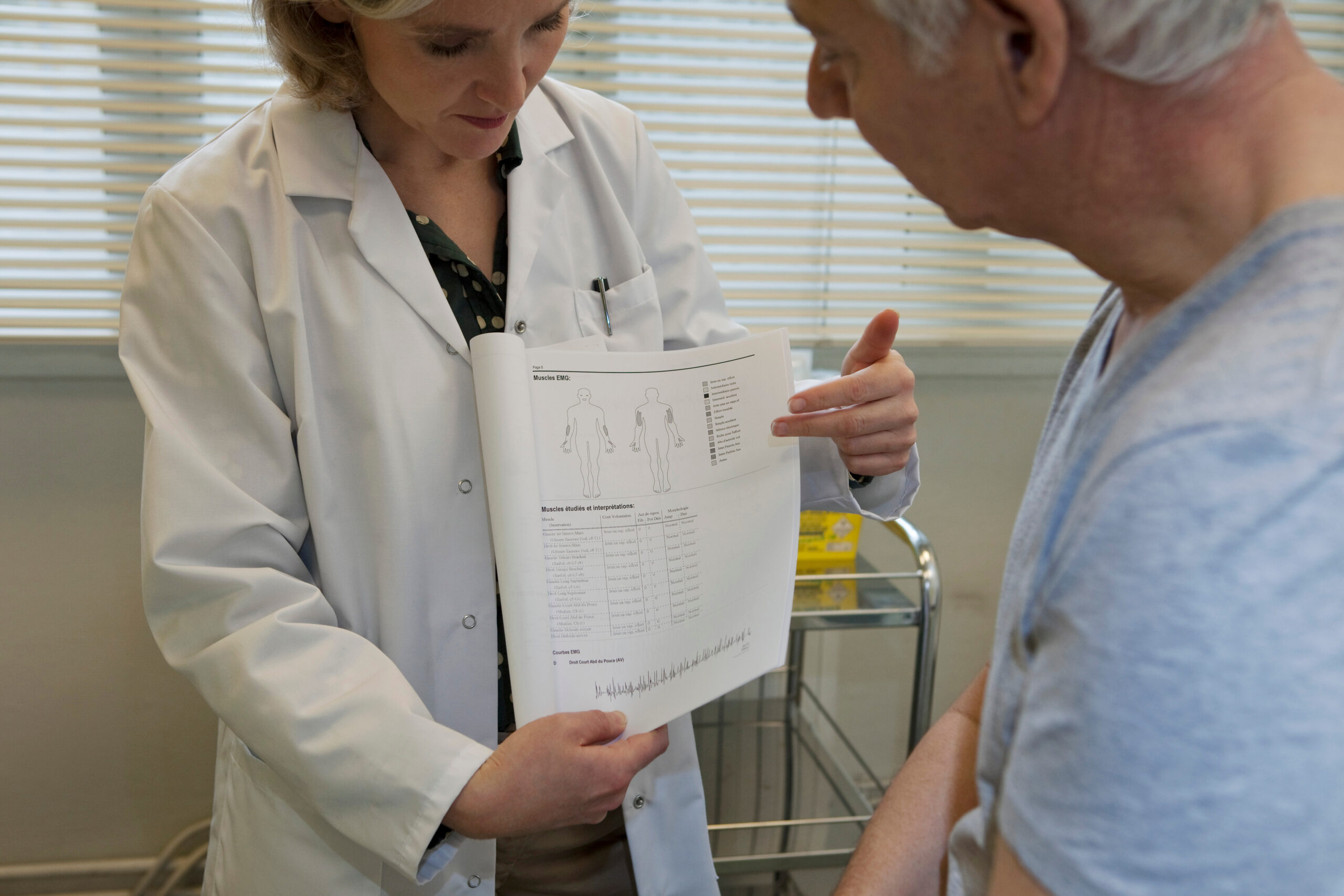
  • Truth: EMG/NCS gives unique information about how your nerves and muscles are working. It can confirm or rule out conditions like carpal tunnel, sciatica, or neuropathy—guiding the right treatment.


Don’t let myths keep you from getting answers. EMG/NCS is a safe, quick, and effective test that can help your doctor pinpoint the root of your symptoms.

Posts

Ready to get clarity on your symptoms? Schedule your EMG/NCS with Integrity Diagnostics today.
Leave a Reply

Your email address will not be published. Required fields are marked *

Blogs

You May Also Like

We see that you are looking for help with NCS Testing, EMG Testing. Here are more blogs that you may find useful. Also, don’t forget to subscribe!

May 10, 2026
The Role of EMG/NCS in Workers’ Compensation and Occupational Medicine

Introduction In workers’ compensation and occupational medicine cases, objective data is essential. Symptoms like numbness, tingling, or weakness can be subjective, but EMG/NCS provides measurable evidence that supports accurate diagnosis, causation, and treatment planning. Key Applications in Work-Related Cases Case ExampleA warehouse worker reported hand weakness after years of repetitive lifting. MRI showed cervical spine […]

Worker's Comp Cases NCS Testing EMG Testing Diagnostic Testing
April 10, 2026
EMG vs. NCS: What’s the Difference and When Are Both Needed?

Introduction If your doctor has ordered an EMG (electromyography) and NCS (nerve conduction study), you may be wondering: Aren’t they the same thing? While they’re often done together, they measure different things—and using both provides the clearest picture of how your nerves and muscles are working. Nerve Conduction Study (NCS): Testing the Wiring Electromyography (EMG): […]

NCS Testing EMG Testing Diagnostic Testing
March 10, 2026
The Role of Electrodiagnostic Testing in Physical Therapy and Rehab

IntroductionPhysical therapy and rehabilitation rely heavily on accurate diagnosis. For patients with neuromuscular symptoms, EMG/NCS provides valuable insights that shape therapy plans, monitor progress, and guide return-to-function goals. Guiding Therapy Planning Monitoring Recovery Supporting Return-to-Function Why It MattersWithout EMG/NCS, therapy plans may be based solely on symptoms, which can be misleading. Electrodiagnostic testing adds objective […]

NCS Testing EMG Testing Diagnostic Testing