
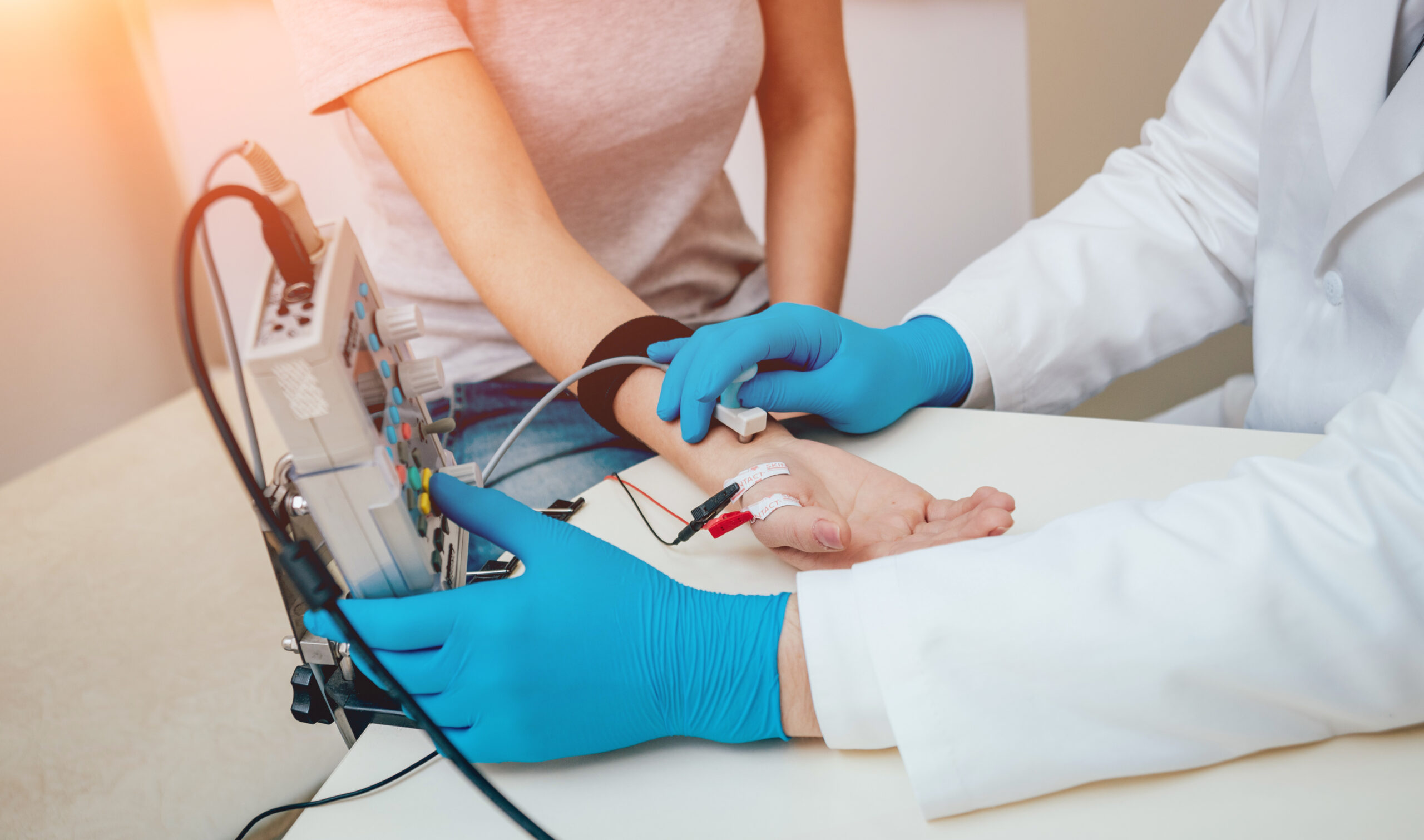
Introduction
If you’ve been experiencing numbness, tingling, or weakness in your arms or legs, your doctor may recommend a test called an EMG. But what exactly is an EMG, and why is it so important for your health? This guide will walk you through the basics in plain, simple terms.
What is an EMG?
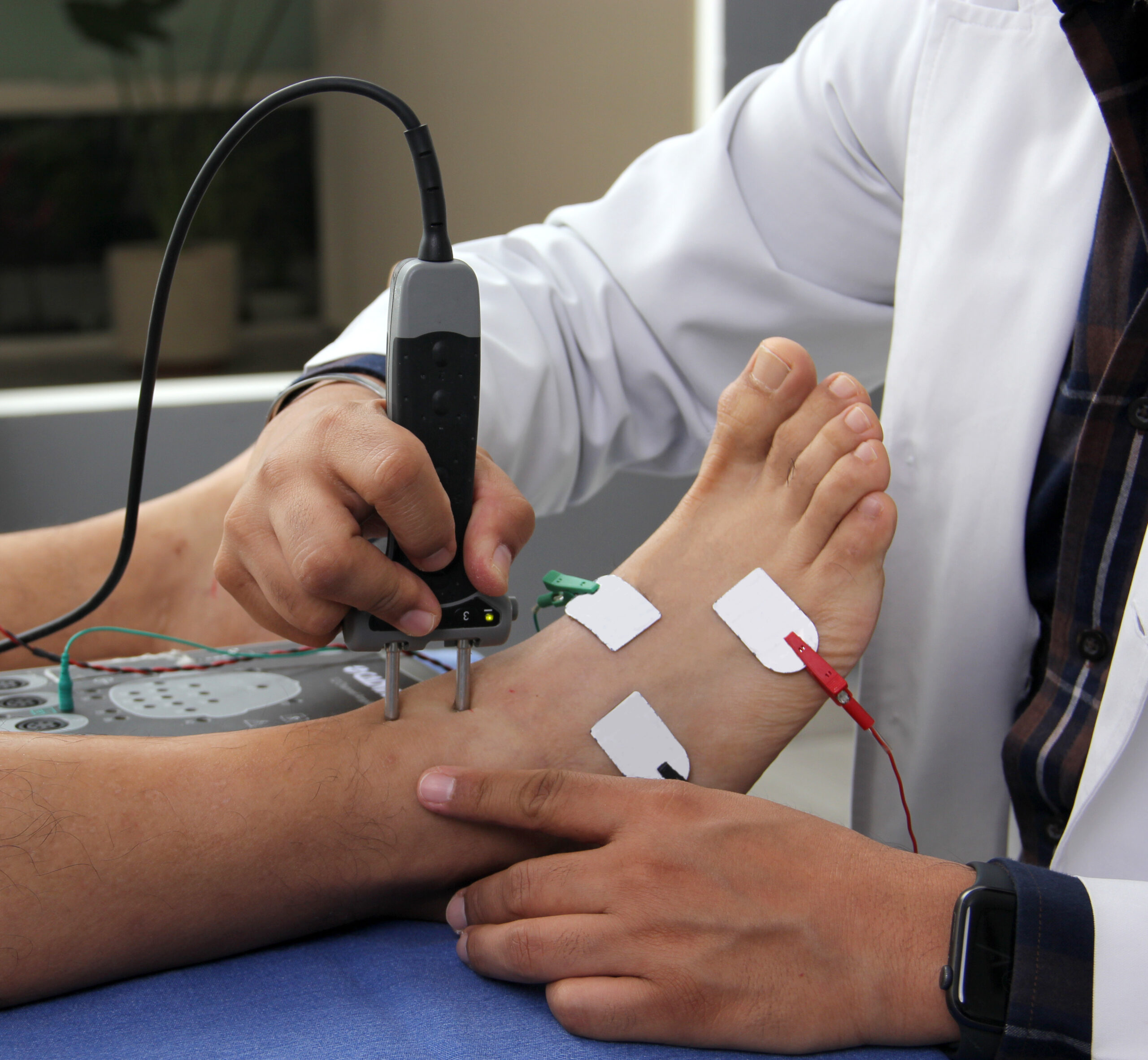
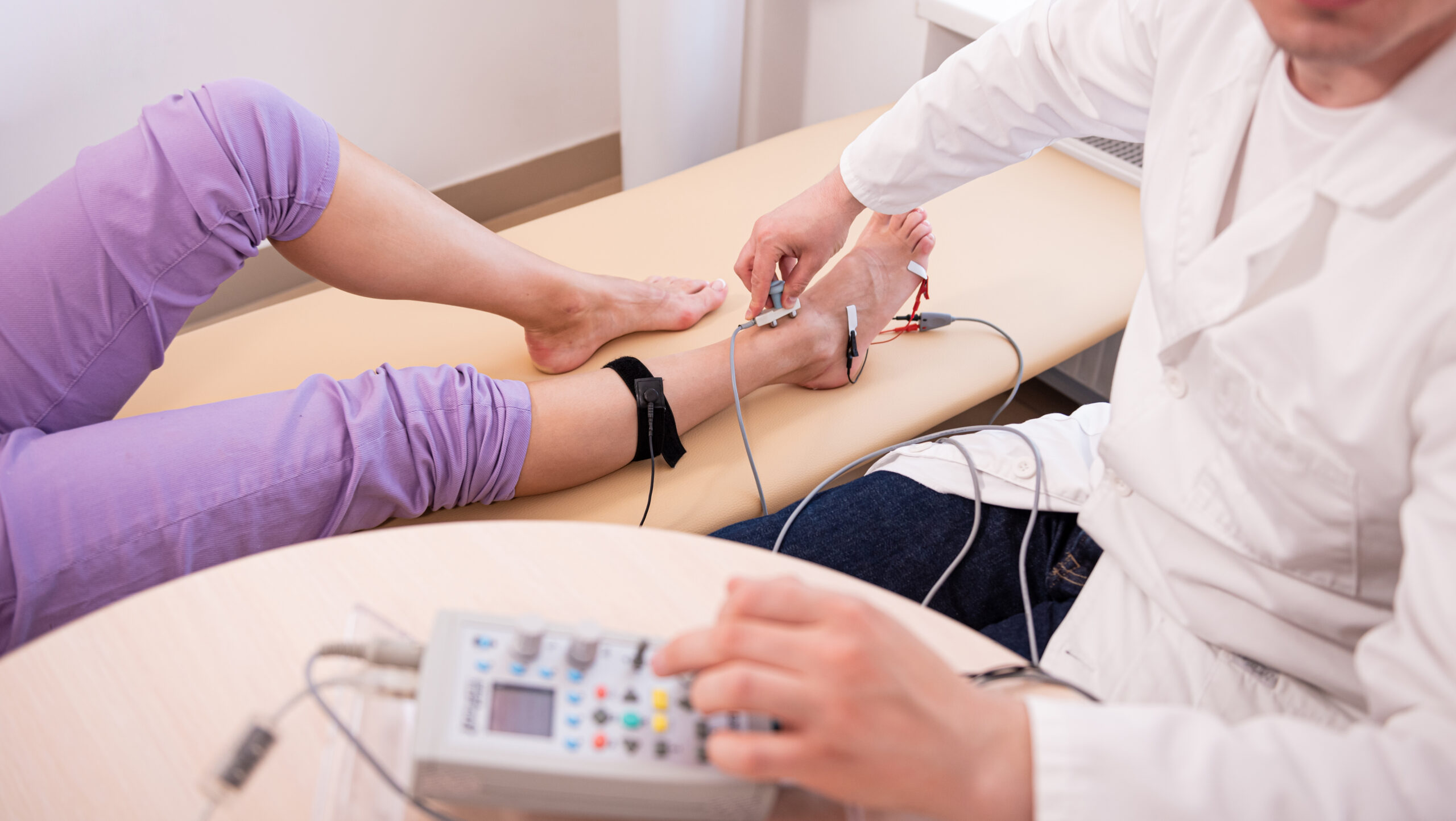
Electromyography (EMG) is a test that measures how your muscles and nerves are working together. Your brain sends signals through your nerves to tell your muscles to move. If something interferes with that signal—like nerve damage or muscle disease—an EMG can help identify it.
How Does It Work?
During the test, a small, sterile needle electrode is inserted into different muscles. This electrode records the electrical activity of your muscles at rest and during movement. The patterns your muscles create help your physician understand whether the problem is nerve-related, muscle-related, or both.
What Can an EMG Diagnose?
- Carpal tunnel syndrome
- Peripheral neuropathy (nerve damage often linked to diabetes)
- Pinched nerves from the spine (like sciatica or cervical radiculopathy)
- Muscle diseases (myopathies)
- Conditions like ALS or other neuromuscular disorders
Does It Hurt?
Most patients describe the test as slightly uncomfortable but tolerable. The sensation is similar to a quick pinch or mild muscle soreness. The test is safe and does not cause lasting harm.
Why is it Important?
An EMG provides unique information that can’t be found in blood tests or imaging like an MRI. It helps your doctor confirm the diagnosis and decide on the best treatment plan—whether that’s physical therapy, medication, or surgery.
If your doctor has ordered an EMG, rest assured it’s a quick, safe, and highly valuable test. The results can provide answers that move you closer to relief and recovery.



Leave a Reply