
Introduction
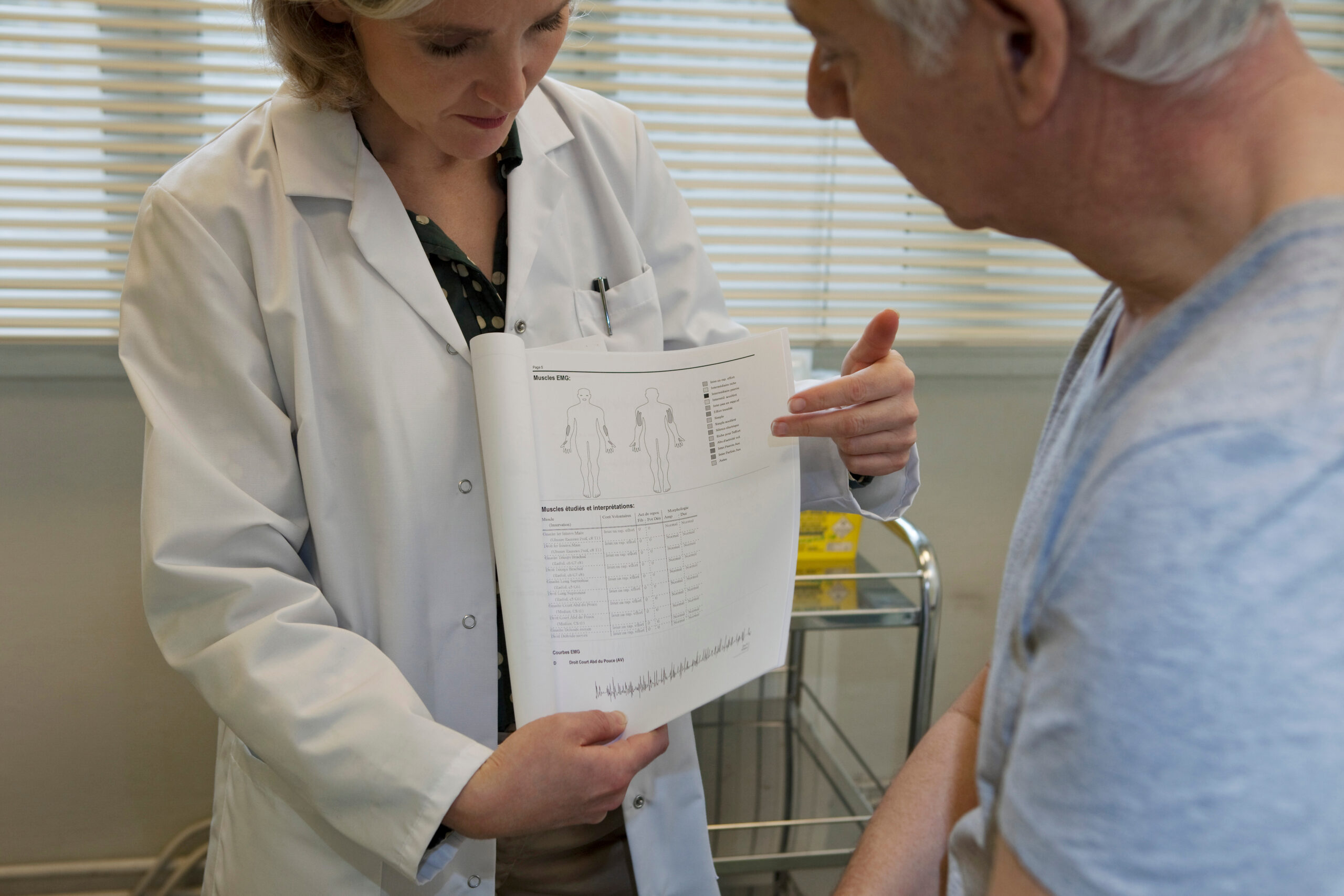
Being told you need an EMG (electromyography) or NCS (nerve conduction study) can sound intimidating—especially if you’ve never had one before. Many patients worry about pain, how long it will take, or what exactly happens during the test. Here’s a step-by-step guide so you can walk into your appointment feeling prepared and confident.
Before the Test
- Clothing: Wear loose, comfortable clothes. Your provider may need access to your arms or legs, so short sleeves or pants that roll up easily are best.
- Skin prep: Avoid applying lotion or oils to your skin the day of the test. These can interfere with electrode readings.
- Medication: Unless told otherwise, continue your regular medications as prescribed.
Step 1: The NCS (Nerve Conduction Study)
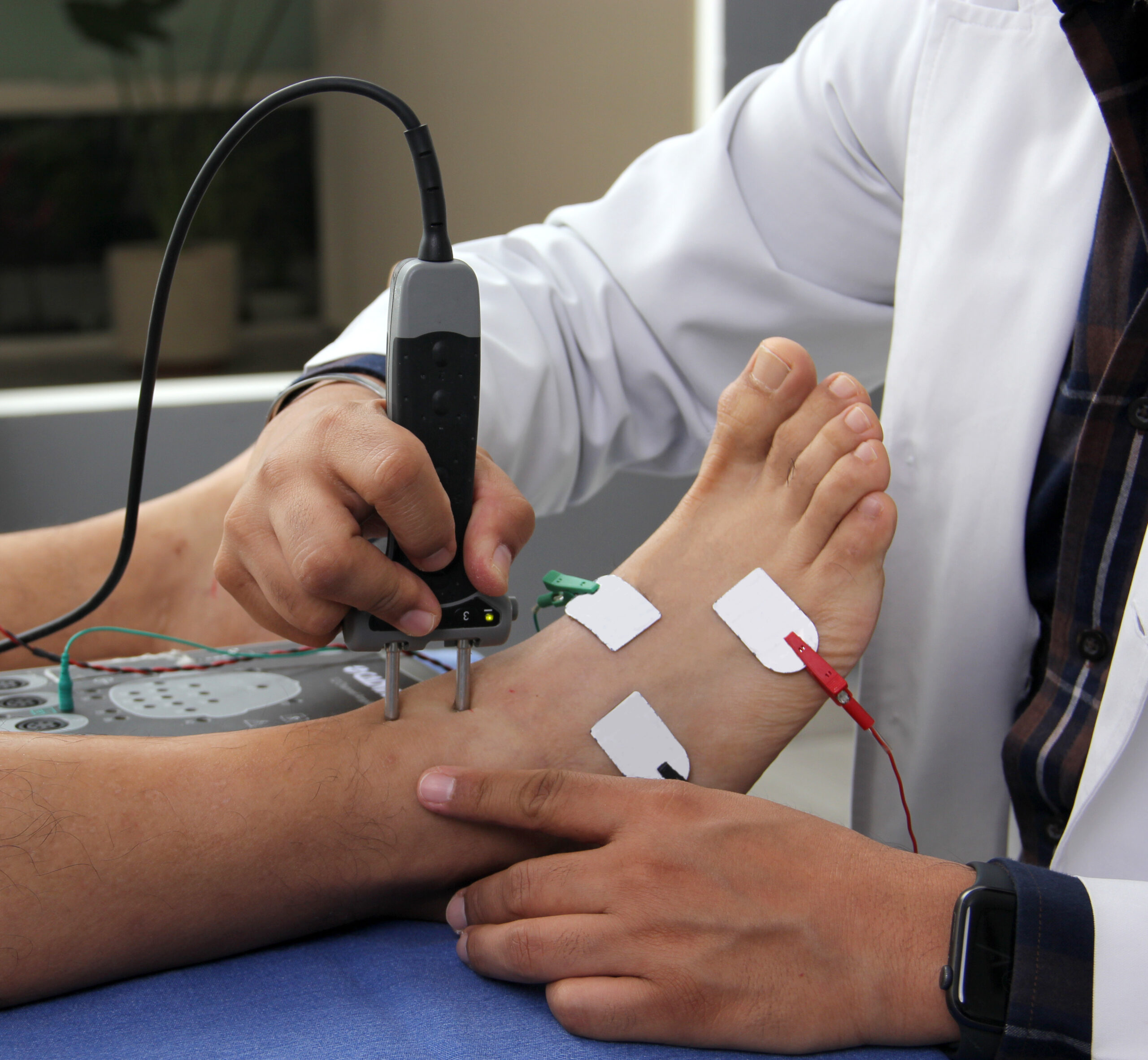
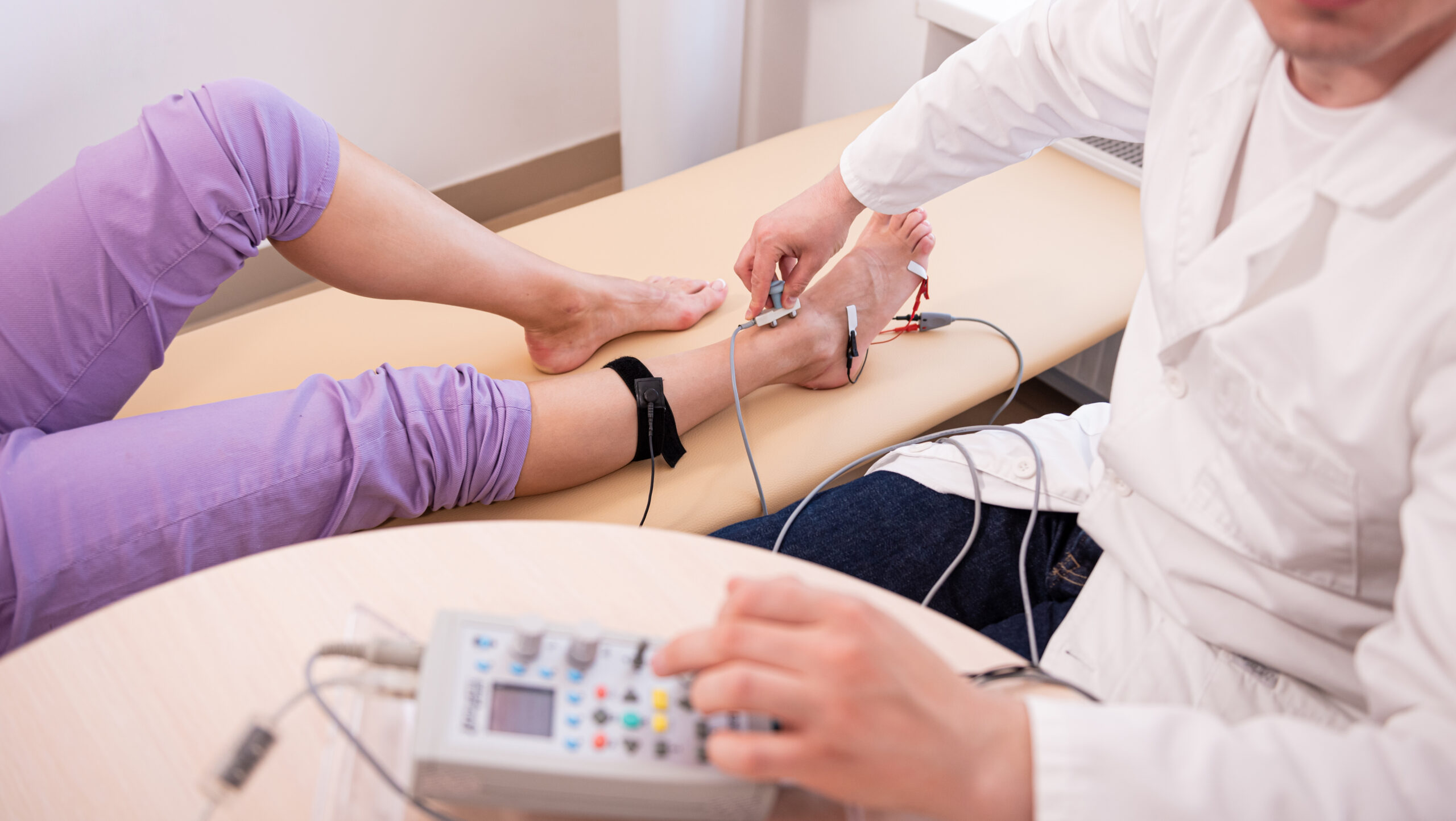
This test measures how well and how fast your nerves send signals. Small sensors are placed on your skin, and a brief electrical pulse is given to stimulate your nerve. You’ll feel a quick “zap”—similar to static electricity—but it only lasts a second.
Step 2: The EMG (Electromyography)
For the EMG, a tiny sterile needle is inserted into select muscles to measure their electrical activity. The needle is much thinner than those used for vaccines or blood draws. You may feel a small pinch going in and some achiness while your muscles are tested.
During the Test
- The entire process usually takes 30–60 minutes.
- Most patients describe the sensation as mildly uncomfortable rather than painful.
- There are no lasting side effects, though your muscles may feel sore for a few hours afterward.
Why the Test Matters
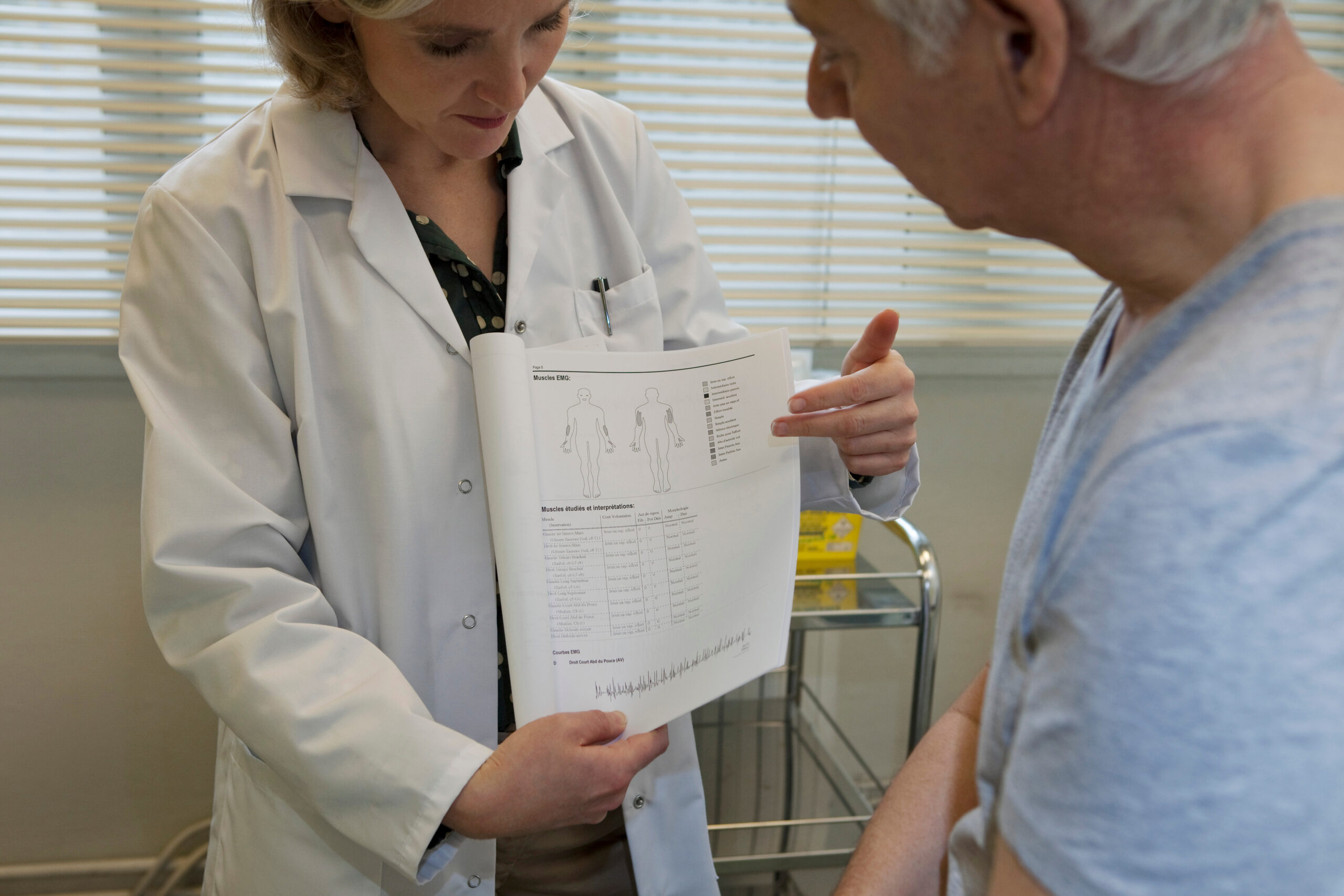
EMG/NCS provides information that no blood test or MRI can. It helps your doctor pinpoint whether your problem is coming from nerves, muscles, or both—guiding the right treatment plan faster.
Your EMG/NCS appointment is safe, quick, and incredibly valuable for your care. By knowing what to expect, you can feel more comfortable and confident about the process.
Ready for answers? Schedule your EMG/NCS with Integrity Diagnostics today and take the next step toward relief.
Leave a Reply