When Should a Patient Be Referred for an EMG/NCS?

When Should a Patient Be Referred for an EMG/NCS?

,

Introduction
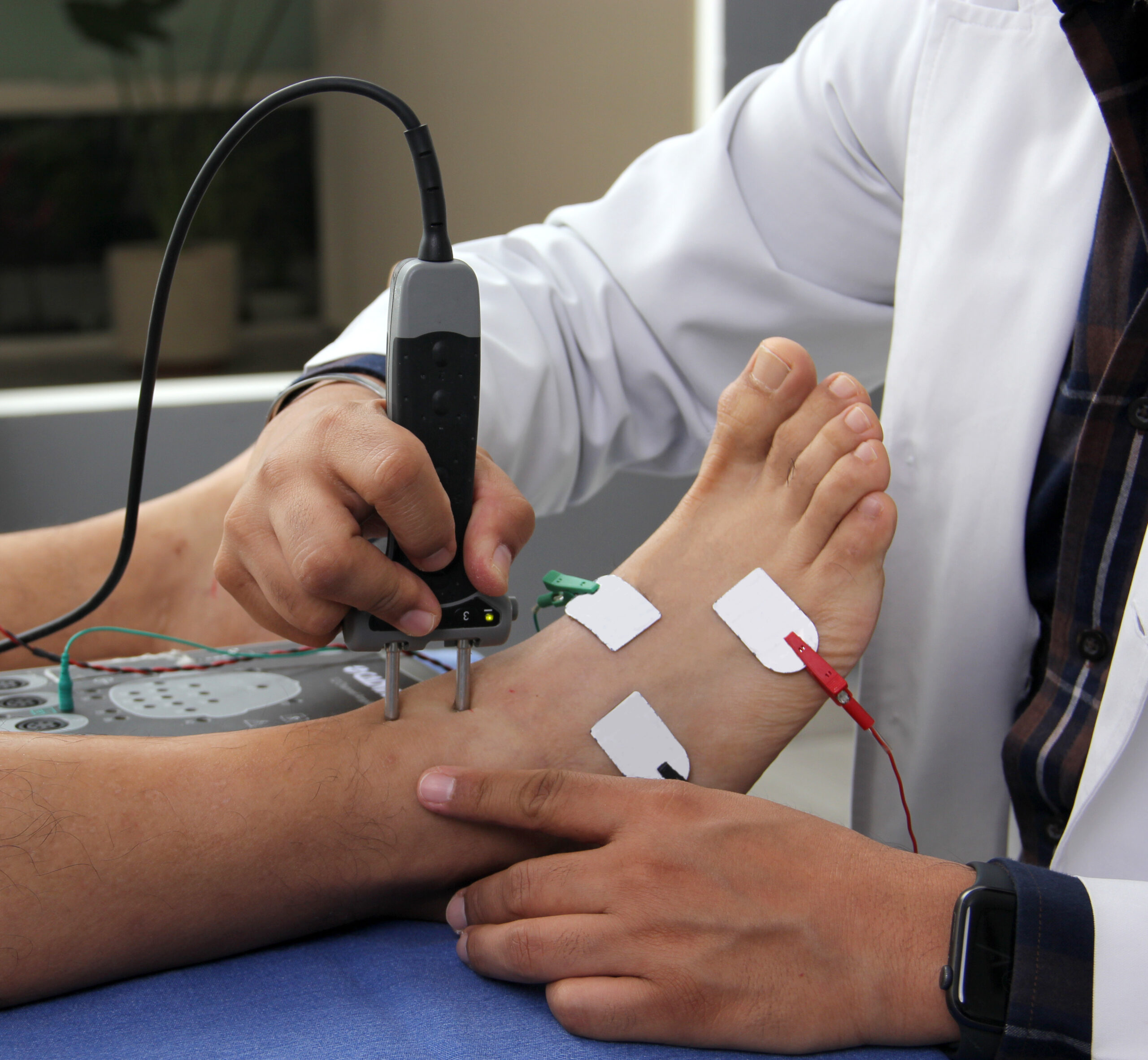
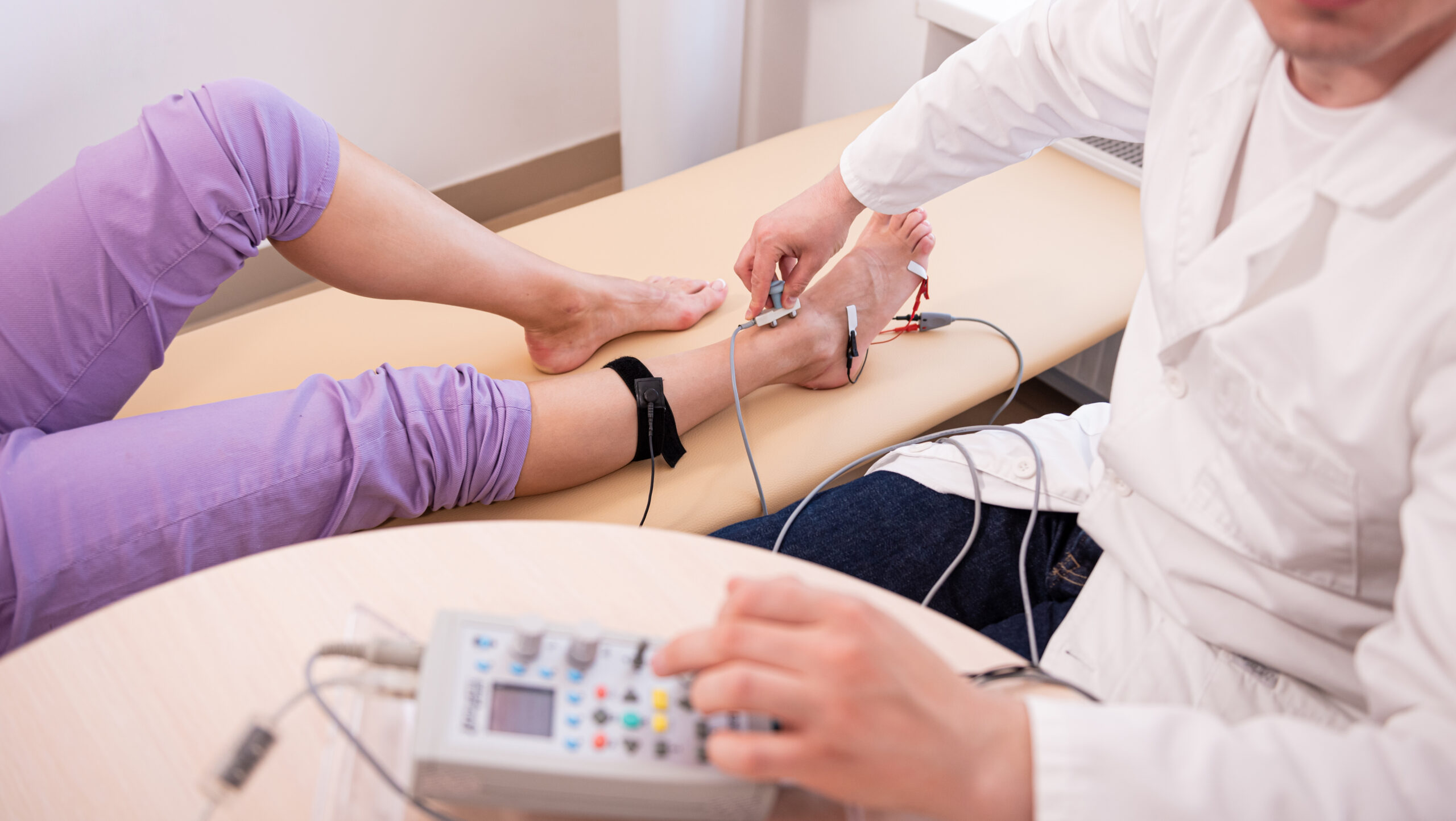
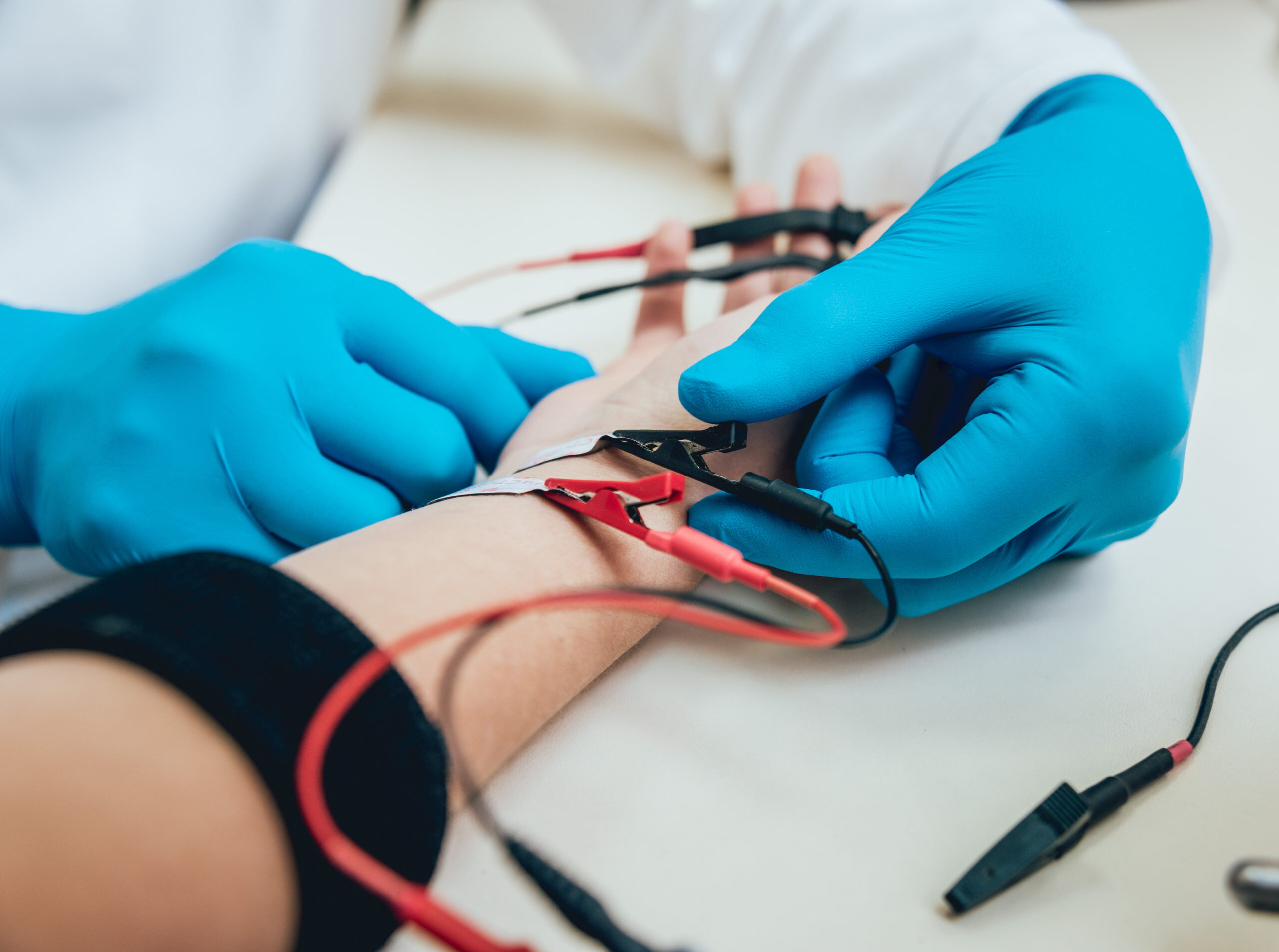
Primary care physicians, neurologists, orthopedists, and physical medicine specialists often encounter patients with symptoms that blur the line between nerve and muscle disorders. Knowing when to order an EMG/NCS can improve diagnostic accuracy, streamline care, and prevent unnecessary imaging or delays.

Referral Indicators

  1. Suspected Peripheral Neuropathy
    • Clinical signs: burning, tingling, numbness, or weakness in the extremities.
    • EMG/NCS clarifies if symptoms are due to axonal loss, demyelination, or both.
  2. Radiculopathy or Spinal Nerve Root Compression
    • Especially valuable when imaging findings don’t align with the clinical picture.
    • EMG/NCS confirms whether nerve root irritation is producing active denervation.
  3. Entrapment Neuropathies (Carpal Tunnel, Ulnar, Peroneal, etc.)
    • Differentiates carpal tunnel syndrome from cervical radiculopathy or peripheral neuropathy.
  4. Unexplained Weakness
    • Distinguishing myopathy vs. neuropathy when labs and imaging are inconclusive.

Timing of Referral

  • Best ordered 3–4 weeks after onset of symptoms or suspected injury, allowing time for denervation changes to develop.
  • Too early = false negatives; too late = risk of chronic changes overshadowing active findings.

Why EMG/NCS Matters

  • Identifies treatable nerve entrapments early.
  • Prevents unnecessary MRIs or invasive interventions.
  • Directly guides referrals: PT vs. surgical consult vs. medical management.


Timely referral for EMG/NCS testing enhances diagnostic precision, improves patient outcomes, and supports cost-effective care. Collaborating with board-certified electromyographers ensures accurate testing and clear, actionable reports.

Integrity Diagnostics partners with referring providers across Georgia, Florida, and Pennsylvania to deliver comprehensive EMG/NCS testing with fast turnaround. Contact us to discuss referral pathways for your patients.
Leave a Reply

Your email address will not be published. Required fields are marked *

Blogs

You May Also Like

We see that you are looking for help with NCS Testing, EMG Testing. Here are more blogs that you may find useful. Also, don’t forget to subscribe!

May 10, 2026
The Role of EMG/NCS in Workers’ Compensation and Occupational Medicine

Introduction In workers’ compensation and occupational medicine cases, objective data is essential. Symptoms like numbness, tingling, or weakness can be subjective, but EMG/NCS provides measurable evidence that supports accurate diagnosis, causation, and treatment planning. Key Applications in Work-Related Cases Case ExampleA warehouse worker reported hand weakness after years of repetitive lifting. MRI showed cervical spine […]

NCS Testing EMG Testing Diagnostic Testing Worker's Comp Cases
April 10, 2026
EMG vs. NCS: What’s the Difference and When Are Both Needed?

Introduction If your doctor has ordered an EMG (electromyography) and NCS (nerve conduction study), you may be wondering: Aren’t they the same thing? While they’re often done together, they measure different things—and using both provides the clearest picture of how your nerves and muscles are working. Nerve Conduction Study (NCS): Testing the Wiring Electromyography (EMG): […]

NCS Testing EMG Testing Diagnostic Testing
March 10, 2026
The Role of Electrodiagnostic Testing in Physical Therapy and Rehab

IntroductionPhysical therapy and rehabilitation rely heavily on accurate diagnosis. For patients with neuromuscular symptoms, EMG/NCS provides valuable insights that shape therapy plans, monitor progress, and guide return-to-function goals. Guiding Therapy Planning Monitoring Recovery Supporting Return-to-Function Why It MattersWithout EMG/NCS, therapy plans may be based solely on symptoms, which can be misleading. Electrodiagnostic testing adds objective […]

Diagnostic Testing NCS Testing EMG Testing