
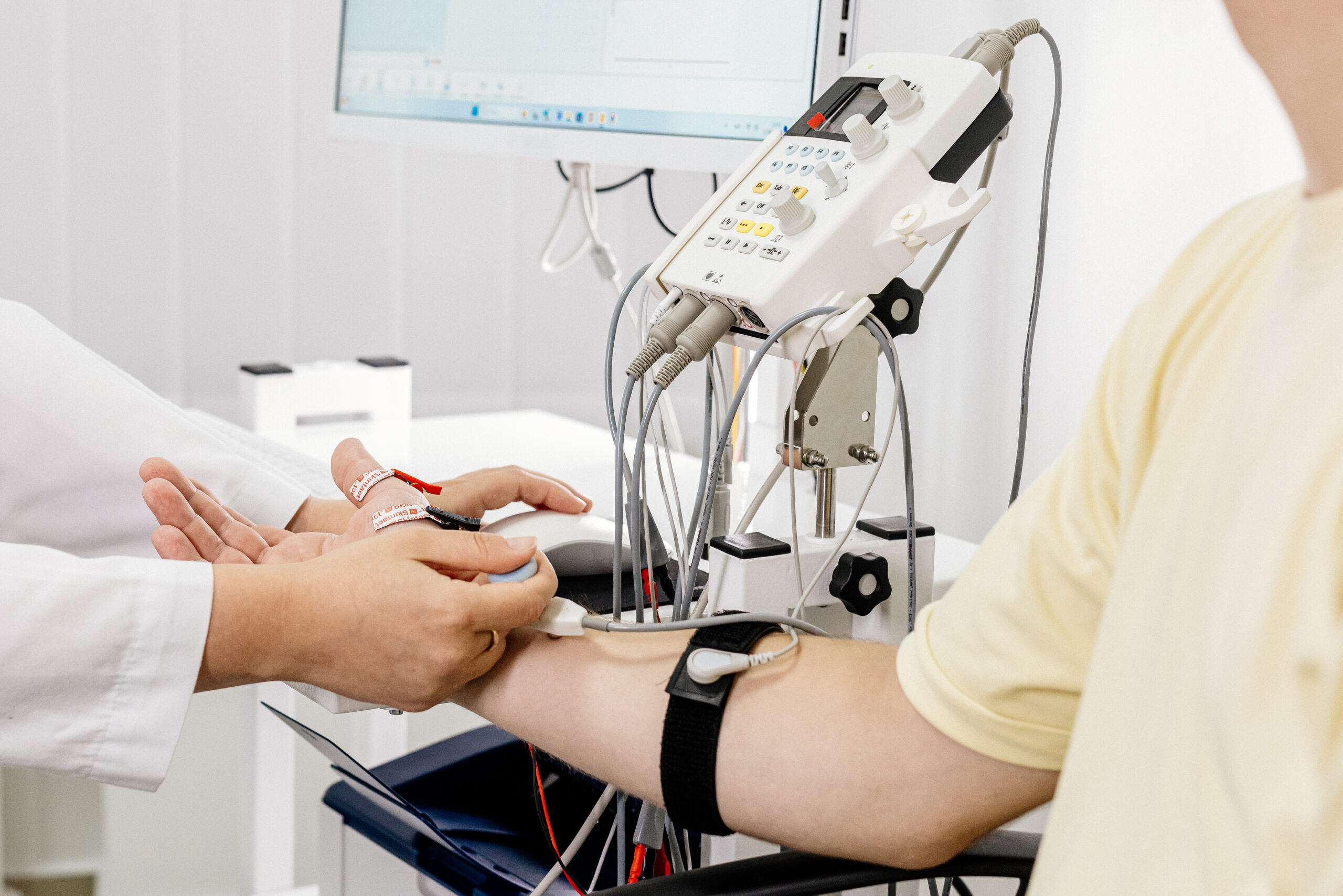
As you know, personal injury cases often hinge on proof. Pain alone is rarely enough, and subjective complaints can be challenged, minimized, or dismissed by opposing counsel. This is where objective diagnostics change the conversation. EMG testing for lawyers provides a way to document nerve injuries with measurable data, helping transform medical complexity into persuasive legal evidence.
When used strategically, EMG testing from Integrity Diagnostics strengthens causation arguments, supports damages, and adds clarity to cases that might otherwise rely on competing narratives.
Understanding the Role of EMG in Injury Documentation
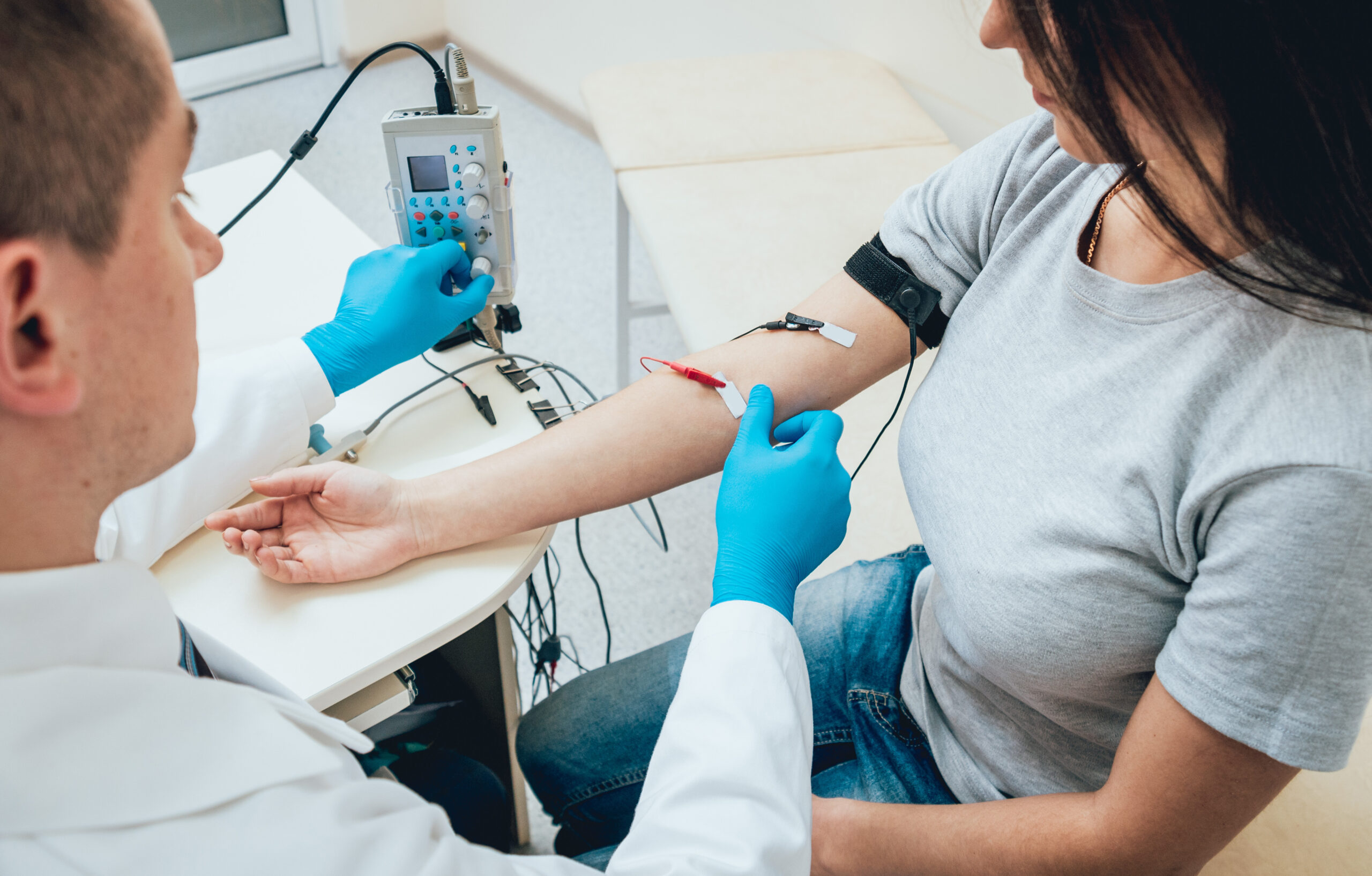
Electromyography, commonly referred to as EMG, measures the electrical activity of muscles and how well nerves communicate with them. In personal injury cases, it can be useful when a claimant reports symptoms such as pain paresthesia, or weakness.
From a legal perspective, EMG testing helps answer key questions, including:
- Is there objective evidence of nerve injury?
- Which nerves are affected and to what extent?
- Does the condition appear acute, chronic, or aggravated by trauma?
By translating symptoms into measurable findings, EMG testing provides a clearer medical foundation for injury claims.
Why Objective Findings Carry Legal Weight
Insurers and defense experts frequently argue that symptoms in personal injury claims are exaggerated, unrelated, or preexisting. Objective diagnostics help counter these arguments by:
- Providing quantifiable data rather than self-reported complaints.
- Helping establish a physiological basis for pain and functional loss.
- Reducing reliance on imaging alone, which may not show nerve dysfunction.
- Offering defensible medical reasoning that can withstand cross-examination.
Reasons to Use EMG Testing as a Strategic Case Tool
It Builds Medical Legal Clarity
In complex injury cases, clarity is currency. EMG testing for lawyers supports case development by connecting symptoms to diagnosable conditions. This is particularly important in cases involving:
- Cervical or lumbar radiculopathy.
- Peripheral nerve injuries.
- Post-traumatic neuropathies.
- Suspected nerve involvement without clear imaging findings.
EMG results can help you work more effectively with treating providers and medical experts by grounding opinions in diagnostic evidence.
It Supports Causation and Timeline Arguments
One of the most contested aspects of personal injury claims is causation. Defense arguments often focus on degeneration, prior injuries, or unrelated conditions. EMG testing can help distinguish between these possibilities by:
- Differentiating acute findings from long-standing nerve damage.
- Supporting aggravation claims when preexisting conditions are present.
- Aligning medical findings with the reported date and mechanism of injury.
It Translates Medical Data Into Persuasive Damages
Damages extend beyond pain and suffering. Nerve injuries can affect strength, coordination, endurance, and long-term function. EMG testing helps document these impacts in a way that’s easier to explain to adjusters, mediators, and juries. By grounding damages in diagnostic data, you can reduce ambiguity and increase credibility for your clients.
Objective findings can support:
- Functional impairment assessments.
- Work restrictions or disability claims.
- Future care and treatment recommendations.
- Long-term prognosis discussions.
It Enhances Settlement Leverage and Trial Readiness
Cases supported by clear diagnostic evidence often follow a different trajectory. Insurers are more likely to evaluate claims seriously when objective findings are present, and defense strategies may shift when subjective arguments lose strength.
EMG testing for lawyers contributes to:
- Stronger demand packages.
- More efficient expert collaboration.
- Reduced reliance on speculative testimony.
- Improved trial preparedness if a settlement is not reached.
Choosing the Right Diagnostic Partner: Why You Should Choose Integrity Diagnostics
When evaluating diagnostic partners, accuracy, timeliness, and credibility matter most. Too often, legal professionals face delays, unclear reports, or tests that fail to clarify an injury’s nature. EMG testing for lawyers is most effective when the service provider combines clinical excellence with legal relevance. That is exactly what Integrity Diagnostics offers.
All electromyography (EMG) and nerve conduction studies (NCS) at our clinics are performed or supervised by board-certified specialists with advanced training in electrodiagnostic testing. Their team’s expertise ensures that the data you receive is precise, defensible, and aligned with the standards required for legal analysis and evidentiary use.
We bring together clinical precision, responsive service, and reporting clarity, making our diagnostics a strong backbone for injury cases that depend on objective medical evidence.
Bringing Stronger Evidence Into Your Injury Cases
Personal injury law sits at the intersection of medicine and advocacy. Objective diagnostics help bridge that gap. When used appropriately, EMG testing strengthens causation, supports damages, and adds credibility to injury claims without overcomplicating the case.
If you’re looking to enhance the medical foundation of your cases, consider how diagnostic clarity can support your legal strategy. Explore personalized care and diagnostic solutions through Integrity Diagnostics and discover how objective testing can support stronger, more defensible personal injury claims.




Leave a Reply