

Personal injury claims often require careful review of medical documentation to understand how an injury affects function. Attorneys and case managers rely on objective services that help clarify clinical findings and support injury evaluation. EMG for personal injury cases is frequently discussed when nerve or muscle involvement is suspected and when standard evaluation alone does not provide enough clarity.
Why Diagnostic Comparisons Matter in Personal Injury Claims
Legal professionals regularly encounter multiple forms of medical information within a single claim. Imaging, physical examination findings, and diagnostic testing may all appear in the record. Understanding how these tools differ helps prevent misinterpretation and supports more accurate case review.
Comparing evaluation services allows legal teams to understand what each one contributes, what questions it helps answer, and where its limitations remain.
EMG Testing vs. Other Diagnostics
EMG for Personal Injury Cases Compared with Imaging
Imaging studies focus on structural detail. They show bones, joints, and soft tissue appearance at a single point in time. These studies help identify structural changes but do not assess how muscles and nerves function during activity.
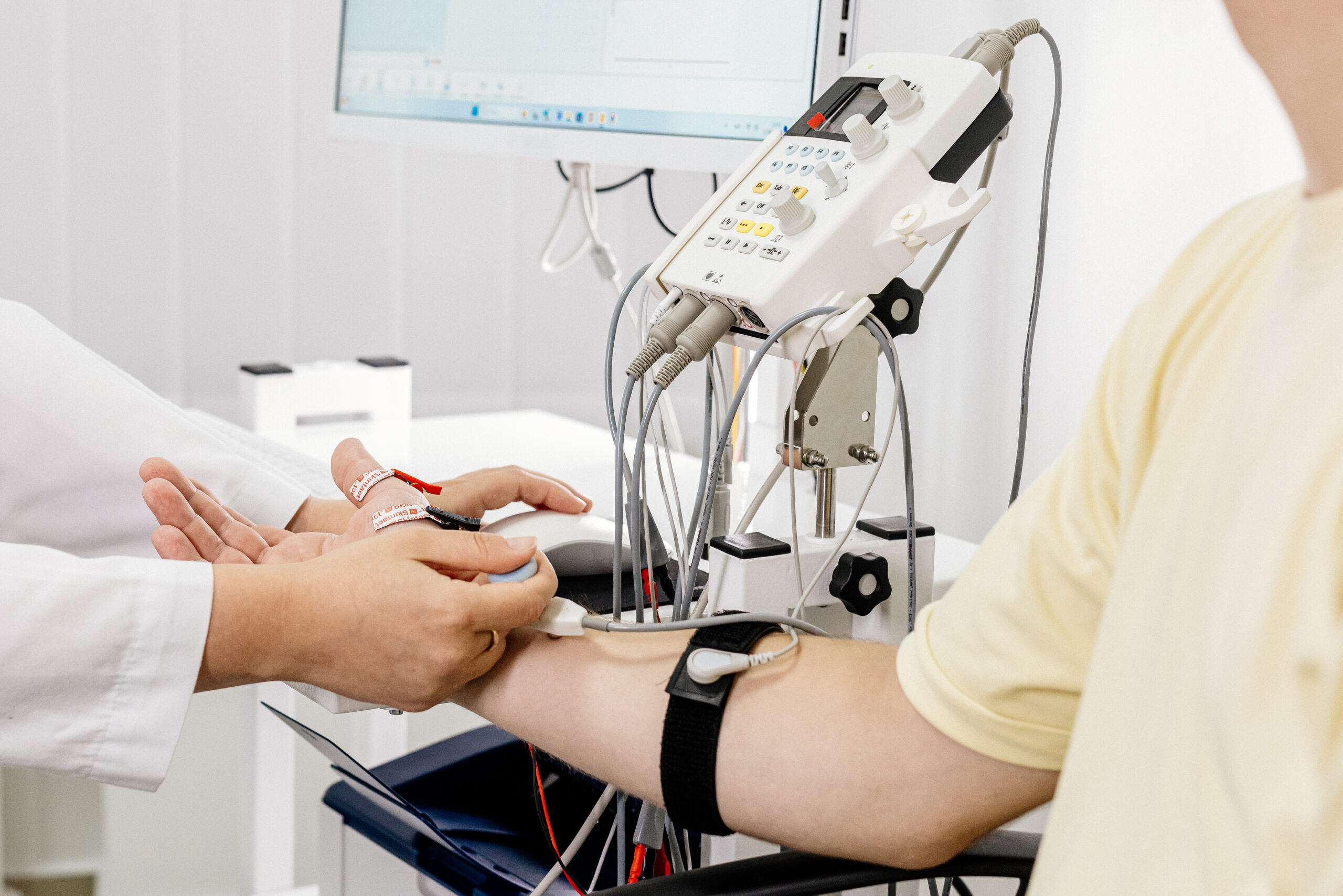
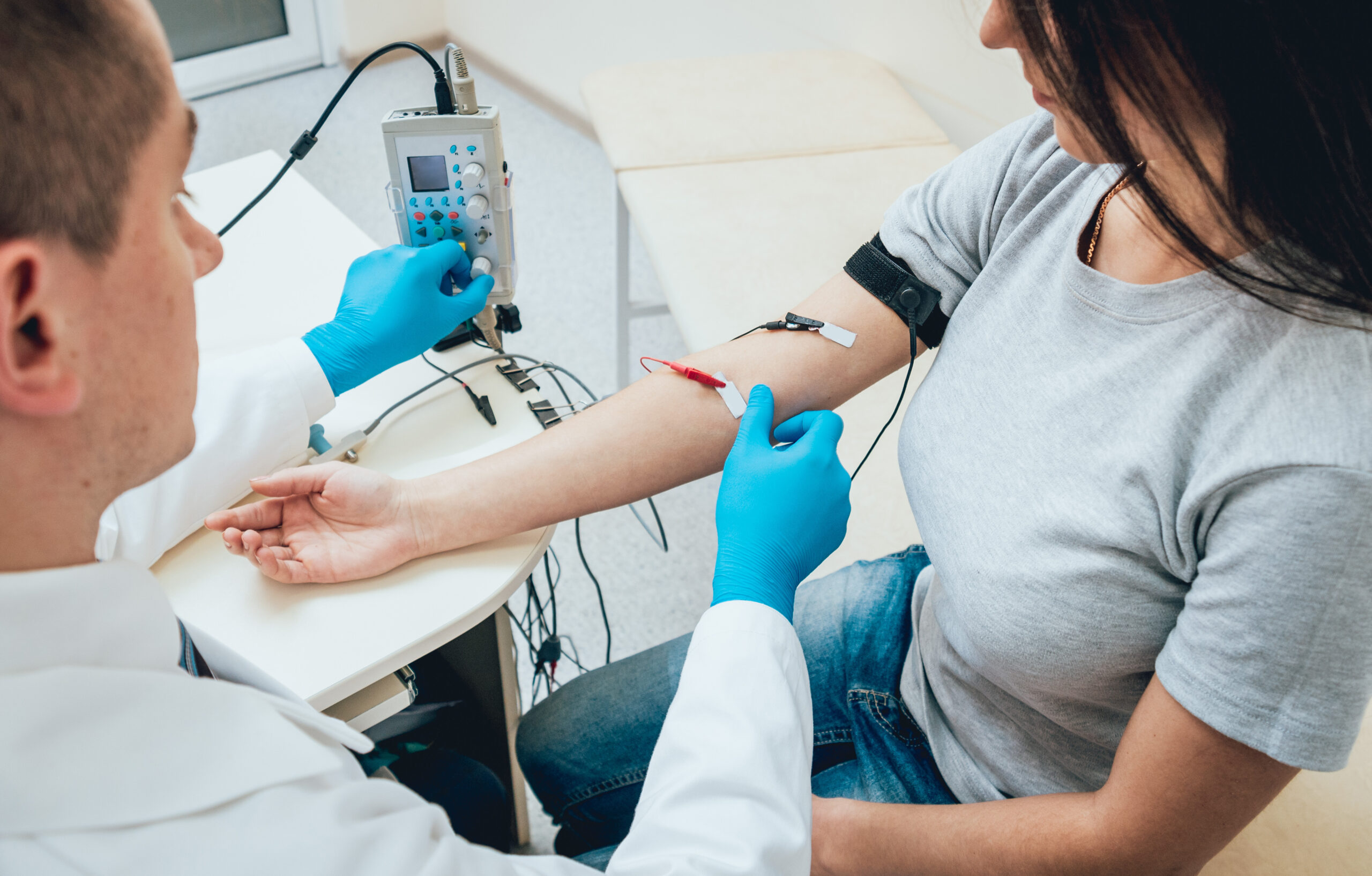
EMG testing evaluates electrical activity in muscles. Clinicians use this service to observe how muscles respond when nerves signal them to activate. In EMG for personal injury cases, this functional information helps clarify whether muscle response patterns align with reported limitations.
Both tools may appear in the same case, but they answer different evaluation questions. Imaging supports structural review, while EMG contributes functional insight.
EMG Testing Compared with Physical Examination Alone
Physical examination provides valuable information about movement, strength, and task tolerance. Clinicians observe how an individual performs activities and whether limitations appear consistent. However, exam findings may not always explain why certain functional issues persist.
In EMG for personal injury cases, EMG testing may be added when physical findings raise questions about muscle or nerve function. The service does not replace examination. It complements it by adding objective information that supports or challenges clinical impressions.
EMG Testing Compared with Nerve Conduction Studies
Nerve conduction studies and EMG testing are often referenced together, but they evaluate different aspects of the neuromuscular system. Nerve conduction studies assess how signals travel along nerves. EMG evaluates how muscles respond to those signals.
In EMG for personal injury cases, clinicians may use EMG testing to better understand muscle activation patterns when nerve involvement is suspected. This distinction matters during legal review because each service contributes different information to the evaluation record.
What EMG Testing Helps Clarify (And What It Does Not)
EMG testing helps clinicians assess whether muscle activity appears consistent with expected nerve input. It can support evaluation clarity when muscle response is part of the clinical question.
The service does not determine claim validity, establish causation, or predict outcomes. Results must be interpreted alongside examination findings, work or activity demands, and other evaluation data. Legal professionals benefit from understanding these boundaries when reviewing records.
How Clinicians Integrate EMG Findings into Injury Evaluation
Clinicians review EMG findings as part of a broader evaluation process. They compare results with observed movement, reported limitations, and task performance. When findings align, they may support clearer documentation. When they do not align, they highlight the need for continued evaluation rather than definitive conclusions.
This integrated approach supports balanced documentation that legal teams can interpret with greater confidence.
Coordinating Evaluation Services at Integrity Diagnostics
Clear injury evaluation depends on using the right services for the right questions. At Integrity Diagnostics, clinicians integrate diagnostic services thoughtfully to support documentation clarity and informed review.
Contact Integrity Diagnostics to learn how EMG for personal injury cases are coordinated and what to expect during an initial visit.


Leave a Reply