When someone’s suffered an on-the-job injury, it’s crucial that they get their worker’s compensation claim accepted as quickly as possible. That way, they can begin treatment and hopefully make a safe return to work. Efficient worker’s comp diagnostic testing is one tool that can help you achieve that goal!
At Integrity Diagnostics, all we do is diagnostic testing. Our team comprises diagnostic experts with the experience to accurately and quickly assess the test results and provide recommendations for your client’s next steps. Within 24-48 hours of your client’s appointment, you’ll have a report in your hands that will allow you to create a compelling claim for your client.
Keep reading to learn more about the benefits of efficient worker’s comp diagnostic testing.
What Sort of Worker’s Comp Diagnostic Testing Do We Offer?
EMG Testing
EMG stands for electromyography, and we use it to measure a muscle’s response to nerve stimulation, which gives us information about the nerve’s health and function.
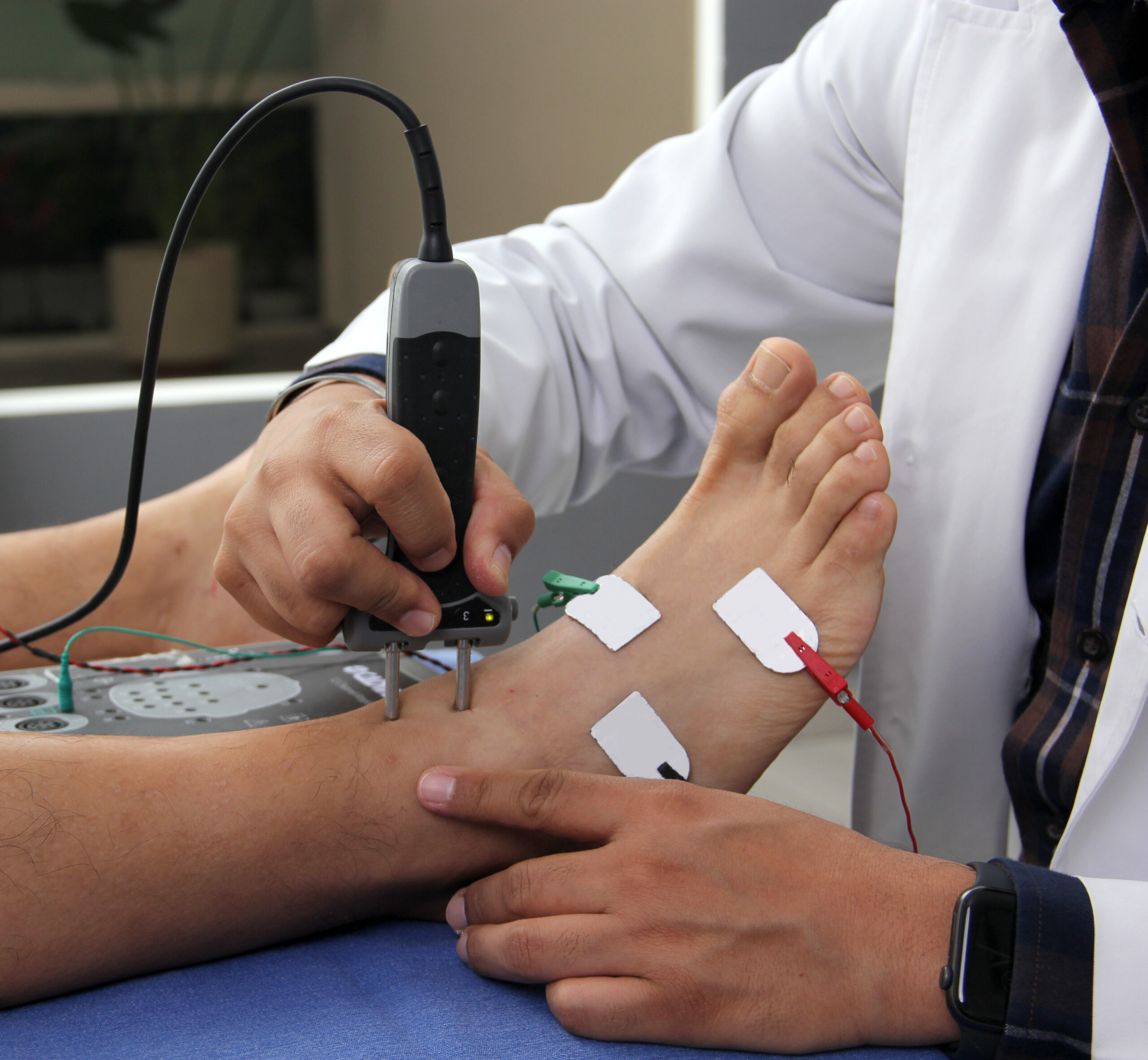
During the test, we’ll insert a needle electrode into the patient’s muscle and ask them to relax and activate it so the test can measure the muscle’s electrical activity. The test also displays the data in real-time on a connected computer.
NCS Testing
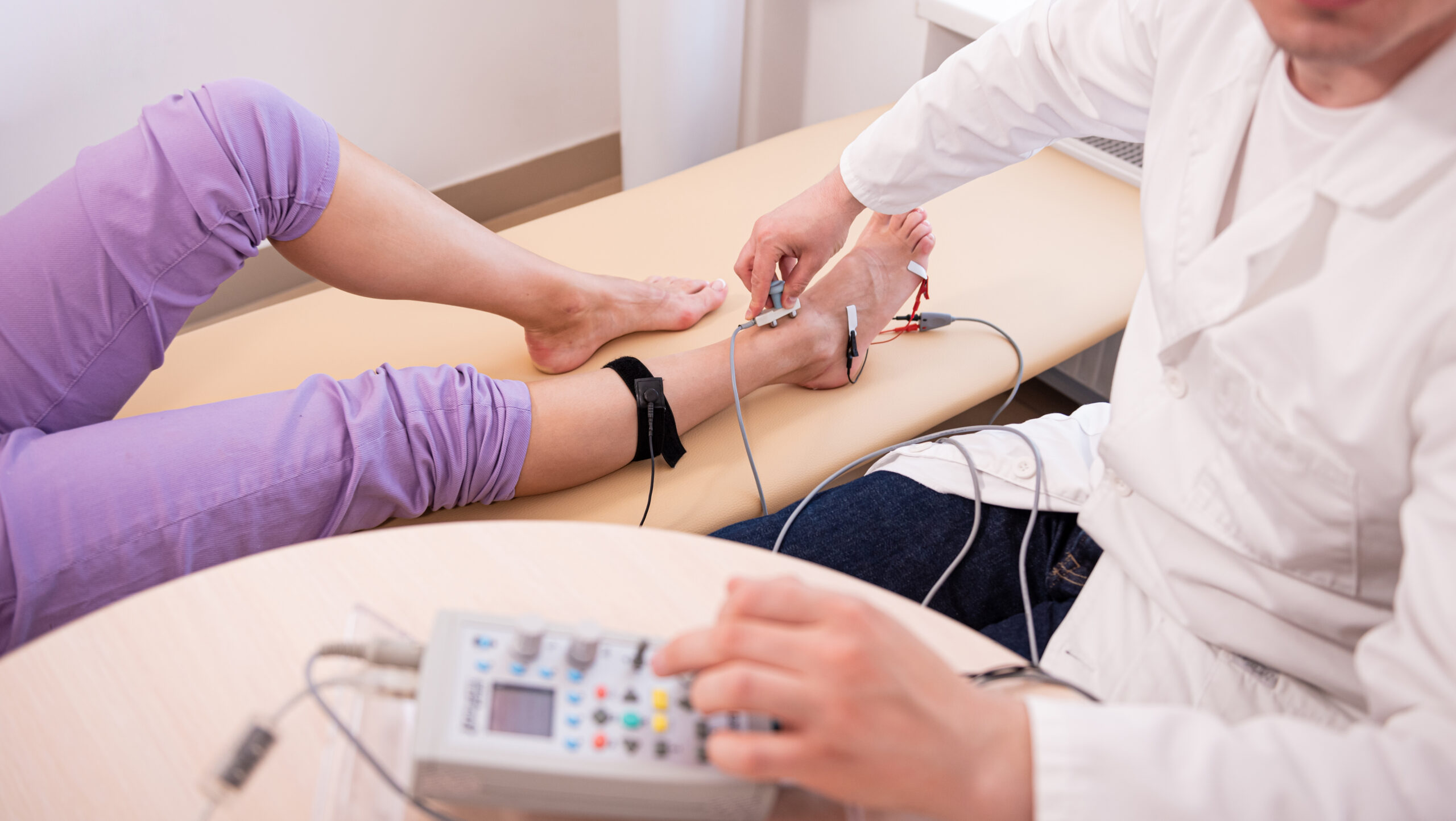
NCS stands for nerve conduction study, although you may also see this test referred to as a nerve conduction velocity test, or NCV. An NCS test measures the speed at which electrical signals travel along the nerves, which helps us identify any potential impairments as well as the location of the impairment.
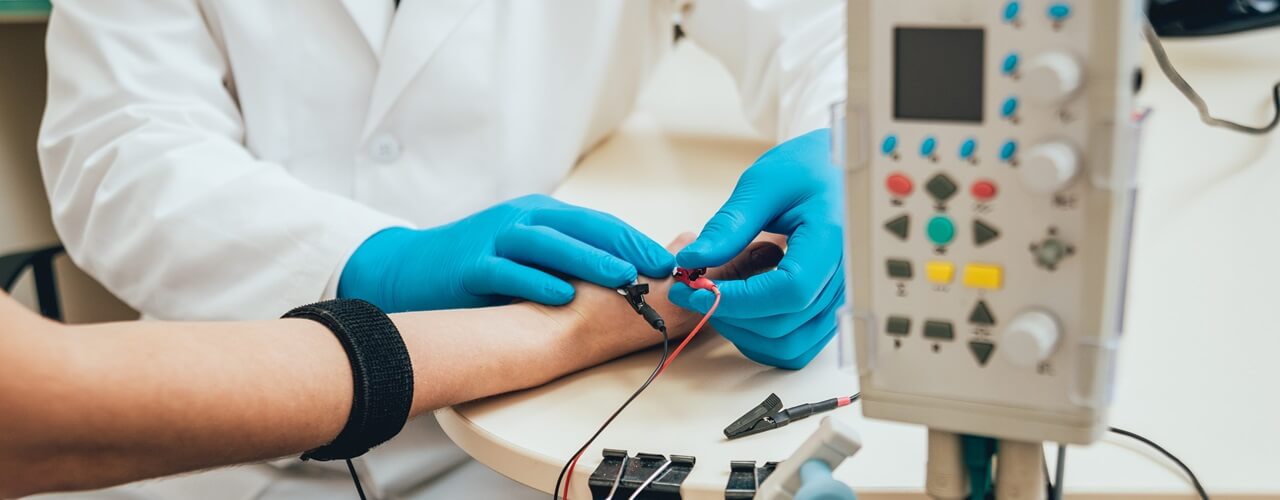
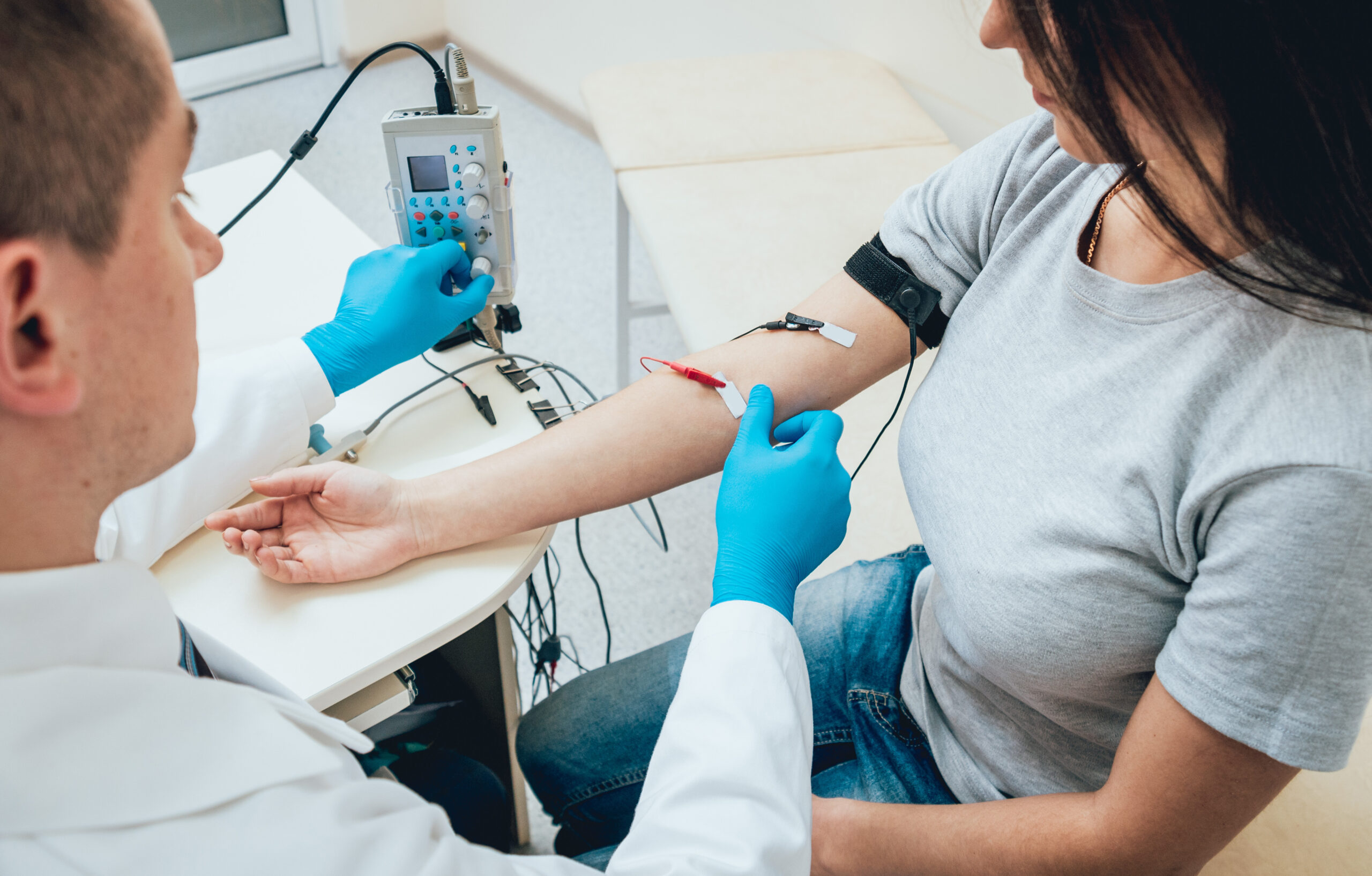
During an NCS test, we’ll apply two surface electrodes onto the testing site. One electrode sends an electrical signal along the nerve, while the other measures the results. Again, the data is transmitted to a computer in real-time.
In most cases, we’ll perform an NCS and EMG test to provide as much data as possible.
The Two Main Benefits of Efficient Worker’s Comp Testing
We recommend ordering an EMG/NCS test–or any kind of diagnostic testing–for two main reasons:
1.Confirm a Peripheral Nerve Injury
Sometimes, it may not be clear if your client’s symptoms stem from a workplace injury or some other condition. NCS/EMG testing can rule out several non-injury causes of nerve or muscle damage (such as peripheral polyneuropathy, myopathy, or neuromuscular junction disorders).
The tests provide hard data, and our experts’ interpretation of that data will make it much easier for you to make a case on behalf of your client. That way, they receive their benefit as quickly as possible.
2.Identify the Best Treatment
The other main benefit of diagnostic testing is that it allows your client’s healthcare provider to identify the best treatment methods for their needs. This helps you better understand your client’s needs and what services will be covered by their worker’s compensation claim.
Efficient Worker’s Comp Diagnostic Testing at Integrity Diagnostics: Results You Can Trust!
Of course, the key to efficient worker’s comp diagnostic testing is not just that the tests are timely but that they are accurate. Inaccurate test results can slow the process even further.
Fortunately, that’s not a concern with Integrity Diagnostics. We employ board certified diagnostic professionals with the education and background to quickly and accurately interpret the results of the tests. You can rest assured that the reports you receive will provide in-depth insight into your client’s injury.
To learn more about the referral process, call our Georgia, Florida, South Carolina, Maryland, Pennsylvania, Tennessee, and Kentucky locations today.


Leave a Reply